

Lower-dose beverage concepts
A lighter-dose drink may fit a brand focused on a more approachable or social beverage experience.
Most expensive beverage problems start long before production. The right early decisions can help you avoid flavor issues, unnecessary complexity, packaging problems, and a product that misses its audience.
Here are the common mistakes to watch for when turning a THC beverage idea into a finished commercial product.
Updated August 25, 2026
The biggest THC beverage formulation mistake is treating the cannabinoid as an afterthought. A successful drink needs its flavor, THC ingredient, dosage, packaging, storage, testing, and production plan to work together as one complete product.
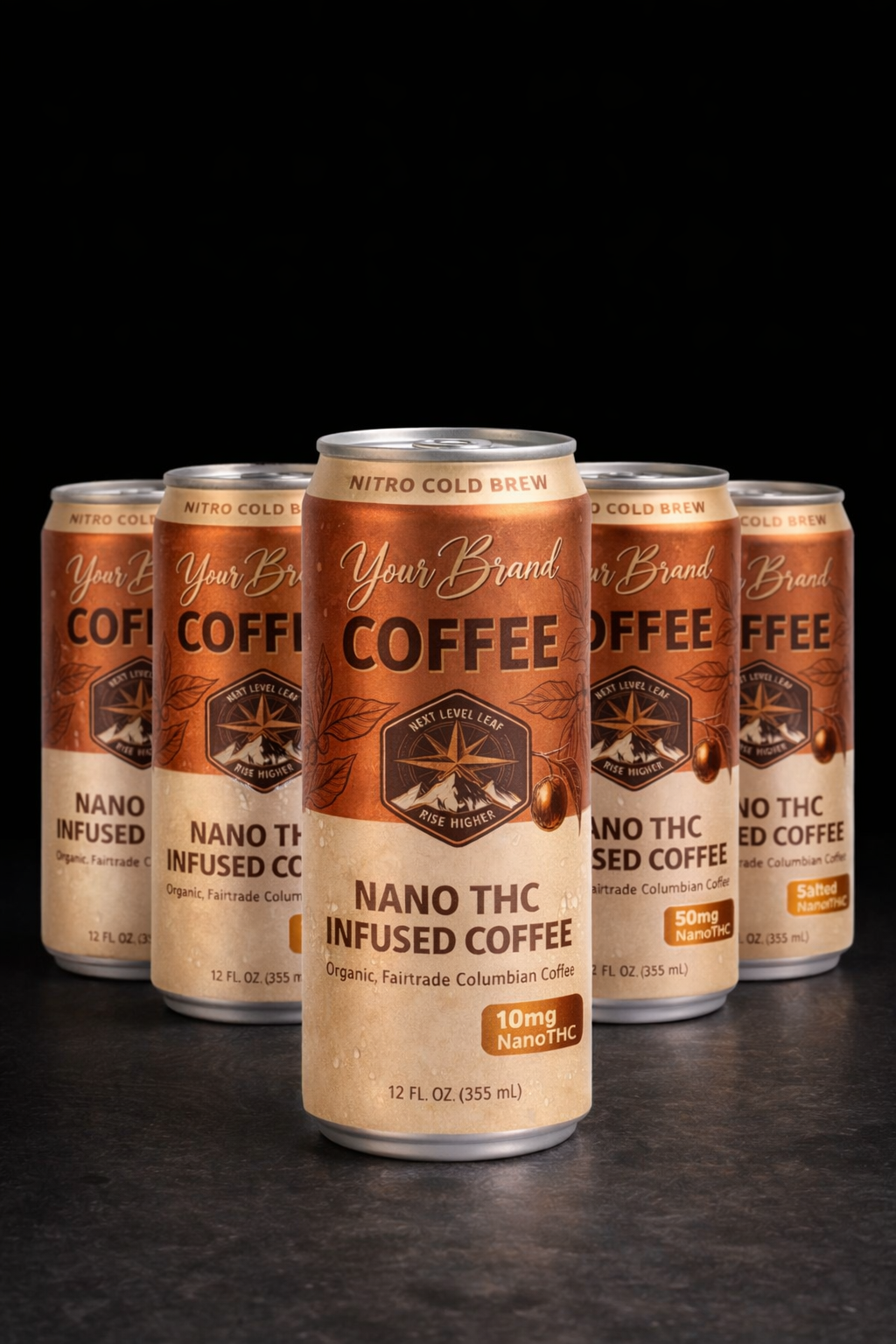
A THC beverage is not always as simple as taking a finished drink and adding an infused ingredient. The THC input can influence taste, appearance, consistency, packaging, and the finished product.
If you already have a beverage concept or an existing formula, that is a useful starting point. The important step is evaluating how it performs with the actual THC ingredient and intended dosage.
Better approach: Build the beverage around the complete customer experience, including the THC ingredient, rather than treating infusion as a last-minute addition.
The lowest-priced cannabinoid input may not be the best choice for your finished drink. An ingredient that creates bitterness, haze, separation, or inconsistent performance can lead to bigger problems later.
Ask how the ingredient performs in your beverage, at your intended dosage, with your chosen flavor and packaging. Review cannabinoid selection for beverages and what water-soluble THC really means.
Nano THC can be part of a beverage formulation, but the word nano does not guarantee better taste, a specific onset time, clear appearance, shelf life, or consistent results.
The delivery system still needs to fit the complete drink. See what nano THC is and how nano THC compares with other emulsions.
People may experience the same beverage differently. The THC ingredient, dosage, complete formula, food intake, and individual differences can all influence the experience.
Avoid treating one ingredient claim as a promise about every customer. Learn more about how fast-onset THC works and THC beverage bioavailability.
The right THC amount depends on what kind of drink you are creating, who it is for, where it will be sold, and what requirements apply. More THC is not automatically the better business decision.
A lighter-dose drink may fit a brand focused on a more approachable or social beverage experience.
A higher-dose drink may need a different flavor approach, customer explanation, and market-specific evaluation.
The better starting question is not simply how much THC can fit in a can. It is what dosage makes sense for the actual product and customer.
THC ingredients can contribute bitterness, earthy notes, aftertaste, or changes in texture. A light seltzer may reveal those issues differently than a coffee, soda, lemonade, or mocktail.
Taste the beverage with the actual THC ingredient and dosage. If the product only tastes good before infusion, the development work is not finished. Explore THC beverage flavor masking.
A beverage can taste great when it is freshly prepared and still change during packaging, shipping, or storage. Flavor, appearance, carbonation, potency, and other characteristics may need to be evaluated over time.
A good-tasting sample does not prove food safety, establish a shelf-life claim, or confirm that a drink can be stored at room temperature. Read THC beverage stability and shelf life.
Packaging affects more than shelf appeal. The can, liner, seal, carbonation, storage conditions, and liquid all need to work together.
A package that fits one beverage may not be right for another. Think about how the product will be filled, shipped, displayed, stored, and used by the customer.
A certificate of analysis for a THC ingredient can be useful, but it does not tell you everything about the beverage customers will actually buy.
Finished-product evaluation may be needed for cannabinoid potency, quality, packaging, storage, and other product-specific requirements. The appropriate testing plan depends on the beverage and where it will be sold.
Keep the difference clear: Ingredient documentation, finished-product potency, shelf life, and food safety are separate questions. One document does not automatically establish all four.
A drink intended for a local shop may need different planning than a product going into broader retail, hospitality, wholesale, or distribution.
Your expected sales channels can influence packaging, pricing, dosage, documentation, storage, order volume, and the type of beverage customers are likely to choose.
More flavors can create more choices, but each one may bring additional formulation, packaging, testing, inventory, and production considerations.
A focused starting lineup can make it easier to understand what customers prefer before expanding. Established brands with proven demand may be ready for a broader program from the start.
Customers should understand what kind of beverage you are offering and why it fits their preferences. Is it a refreshing seltzer, an infused coffee, a familiar soda, a layered mocktail, or a functional beverage?
A clear product idea makes it easier to choose the flavor, THC dosage, packaging, sales channel, and production plan.
You do not need every detail figured out, but the following information can make the first conversation more productive:
A common commercial starting point is approximately 1,200 cans per flavor and dose. That gives brands a practical way to launch a finished beverage and plan for future growth.
Next Level Leaf also supports brands planning larger orders, multi-pallet programs, recurring production, and expanding product lines. The appropriate production plan depends on the beverage, packaging, sales channels, and expected demand.
For qualified projects, a selective prototype of approximately 360 cans may also be possible.
Explore custom THC beverage formulation, THC beverage manufacturing, and beverage manufacturing pricing.
Identify the beverage type, customer, flavor, THC dosage, and intended sales channels.
Look at the actual THC ingredient, flavor, packaging, storage, and finished-product requirements together.
Develop a manufacturing plan that fits your initial launch and the larger production your business may need later.
Explore ingredients, flavor, dosage, stability, and product development.
Explore formulationUnderstand how THC ingredient choices affect the beverage you want to make.
Explore ingredientsSee how ingredient choice, dosage, and beverage format can influence flavor.
Improve beverage flavorLearn why food safety, quality, packaging, and storage need separate consideration.
Review shelf lifeExplore coffee flavors, beverage concepts, and manufacturing considerations.
Explore infused coffeeMove from your beverage idea toward an appropriate production plan.
Explore manufacturingTell us what you want to make, the flavors and THC dosage you are considering, your expected order volume, and where you plan to sell your product.