

Bar Replacement Drinks
Bar replacement drinks give consumers a way to participate in social drinking occasions without alcohol, while giving beverage brands a premium path into the alcohol-alternative market.
For THC beverage founders, the opportunity is to create a drink that feels adult, social, flavorful, and intentional enough to replace the role of a cocktail, hard seltzer, or bar-style beverage.
Bar replacement drinks are non-alcoholic beverages designed to fill the social, adult, and ritual-based role that alcoholic drinks traditionally occupy. THC mocktails, low-dose seltzers, spritzers, and ready-to-drink infused beverages can all function as bar replacement products when they are built around a clear occasion, responsible dose strategy, and premium beverage experience.
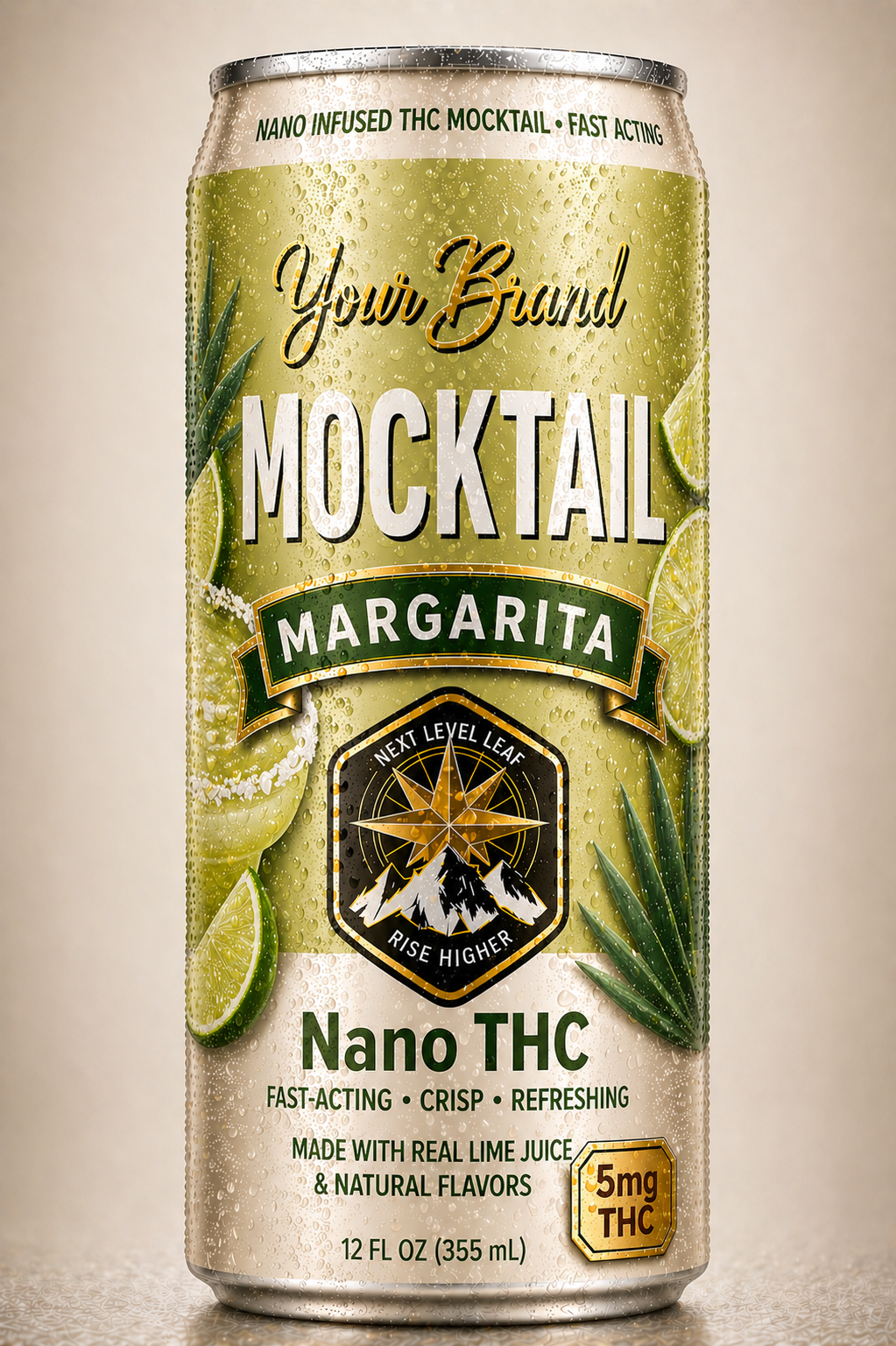 Margarita
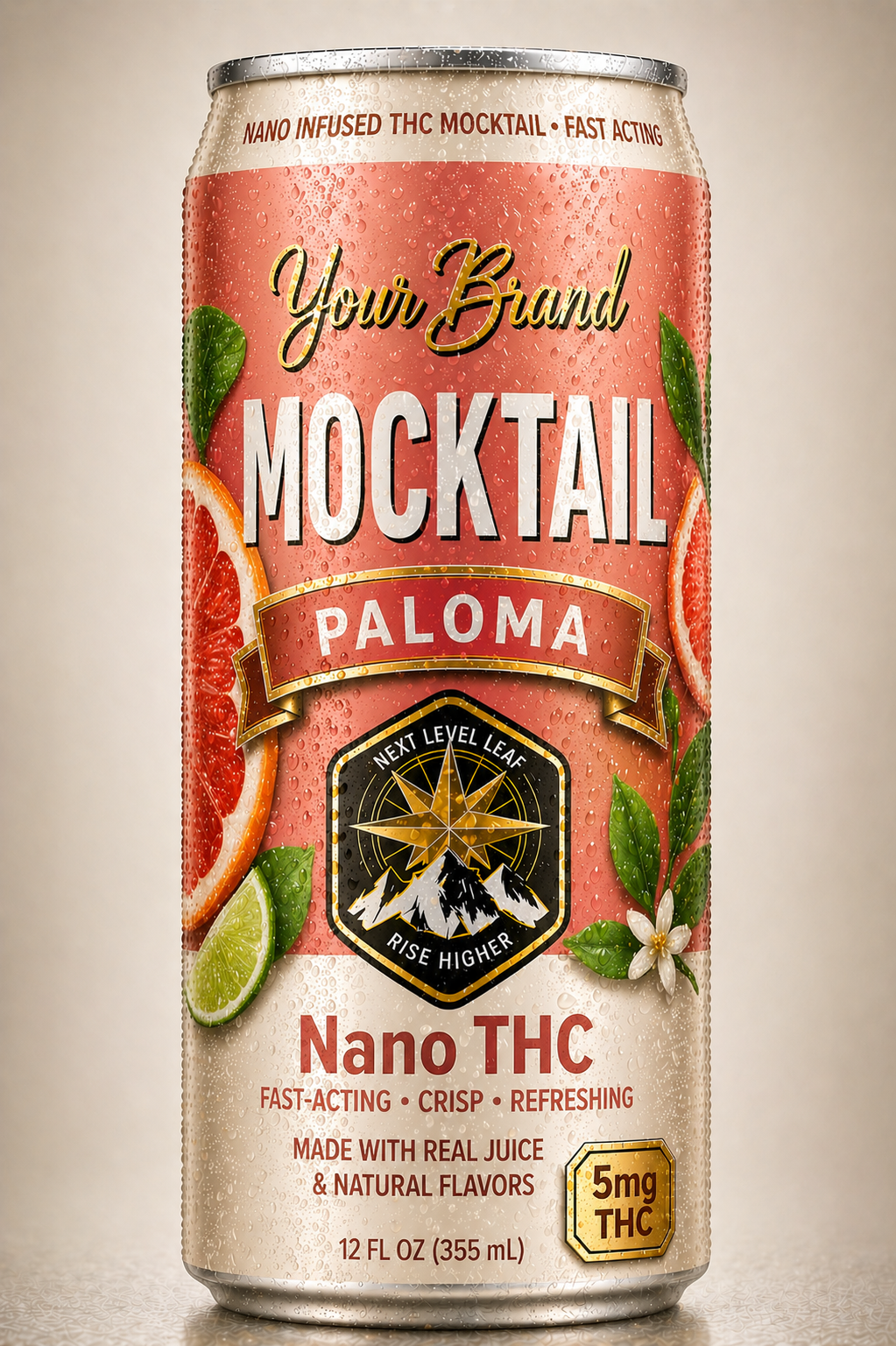 Paloma
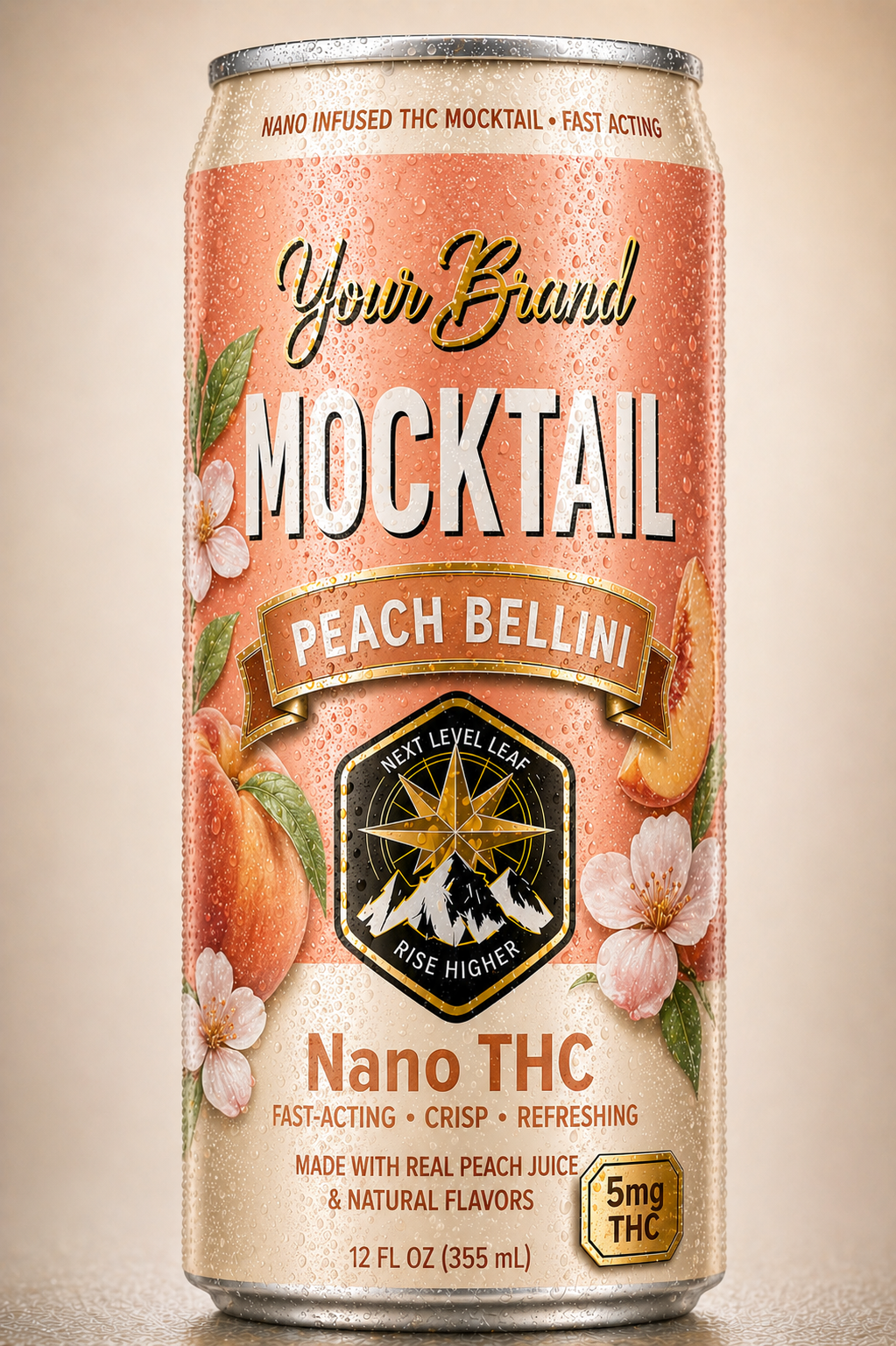 Peach Bellini
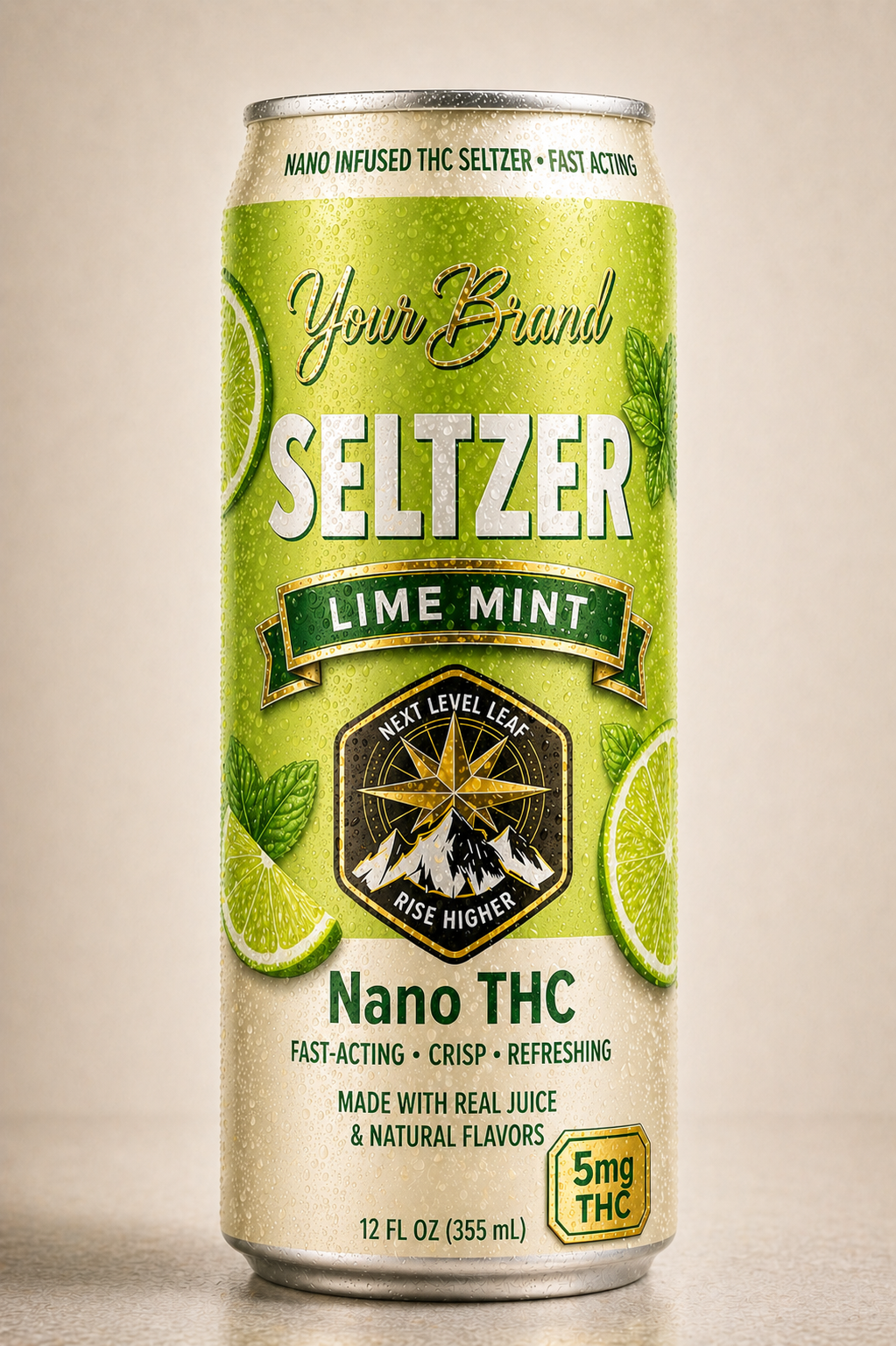 Low-Dose Seltzer
Why bar replacement drinks are becoming a serious category
Many consumers still want the ritual of holding a drink, opening a can, joining a toast, pairing a beverage with dinner, or participating in a social occasion. They may not always want alcohol in that moment.
Bar replacement drinks are designed for that gap. They do not just offer hydration or flavor. They offer a role: something adult, social, premium, and intentional enough to occupy the same occasion as a cocktail, beer, hard seltzer, or mixed drink.
Where THC beverages fit
THC beverages can fit naturally into bar replacement occasions because they are consumed like drinks, packaged like drinks, and can be designed around low-dose or moderate-dose experiences.
The strongest products do not try to be alcohol. They provide a different adult beverage experience that can still feel social and occasion-based.
For broader context, read non-alcoholic THC drinks and the infused mocktails hub.
Founder takeaway: A bar replacement drink should be built around the moment it replaces. Dinner, brunch, nightlife, patio drinking, events, and after-work occasions may each call for a different format, flavor, and dose strategy.
The best formats for bar replacement drinks
Different beverage formats can replace different bar occasions. The right product depends on the customer, venue, retail channel, and brand personality.
Cocktail-inspired
Best for margarita, paloma, bellini, spritzer, and other adult flavor profiles.
Low-dose and social
Best for crisp, sessionable, easy-drinking alcohol-alternative occasions.
Bright and refreshing
Best for patio, brunch, summer, daytime, and celebratory beverage moments.
For more, read ready-to-drink THC mocktails and low-dose THC drinks.
What makes a drink feel like a bar replacement?
A bar replacement drink has to feel more intentional than a basic beverage. It should have a clear role in the consumer’s life.
- Adult flavor architecture: citrus, botanicals, fruit, spice, bitterness, acidity, or layered aromatics.
- Occasion fit: dinner, brunch, evening, events, patio drinking, or nightlife.
- Premium presentation: packaging that feels adult, polished, and credible.
- Appropriate dose: a cannabinoid level that fits the drinking occasion.
- Repeatability: a taste and experience the customer wants again.
Dose strategy for bar replacement THC drinks
Dose should follow the occasion. A product meant to replace a casual social drink may need a different dose than a single-can evening experience.
Very approachable
Useful for cautious consumers, daytime occasions, and highly sessionable social formats.
Core social dose
A strong middle-ground for many alcohol-alternative beverage concepts.
More direct
Useful for stronger single-can experiences where allowed and appropriate.
For deeper dose strategy, read bioavailability in THC drinks and how fast onset THC works.
Flavor strategy for bar replacement drinks
Flavor matters because the product is competing with known adult beverage experiences. A bar replacement drink should not taste like a generic flavored water unless that is the deliberate strategy.
Strong directions include:
- Margarita: lime, citrus, salt cues, and high recognition.
- Paloma: grapefruit, citrus, and refreshing adult appeal.
- Peach Bellini: brunch, celebration, and fruit-forward occasion cues.
- Berry Spritzer: social, colorful, and easy to understand.
- Citrus Spritzer: bright, crisp, and sessionable.
- Lime mint seltzer: clean, low-dose, and alcohol-alternative friendly.
For deeper flavor planning, read flavor masking THC and the upcoming guide to best flavors for THC mocktails.
Formulation requirements
Bar replacement drinks still need serious formulation discipline. The beverage needs a stable cannabinoid delivery system, polished flavor, shelf-life planning, packaging compatibility, and finished-product testing.
Start with water-soluble THC explained, nano vs emulsion, and beverage stability and shelf life.
Compliance and responsible presentation
Bar replacement drinks must remain compliance-aware and adult-oriented. The product may borrow from cocktail culture, but it should not create confusion with alcohol, make irresponsible claims, or use packaging that feels child-appealing.
Founders should think through cannabinoid labeling, serving information, warnings, batch COAs, testing documentation, sales channel, and state-specific rules.
Visit the state resources hub and compliance page for broader planning support.
White-label bar replacement drinks
A white-label pathway can help brands move faster by starting with production-ready formats and flavor directions. This can be a practical way to test the market before investing in a fully custom signature formula.
Custom development may make more sense when the brand needs a unique flavor, special functional ingredient stack, distinctive mouthfeel, or a beverage that can become a defensible flagship SKU.
How this connects to beverage manufacturing
Bar replacement drinks require the same production discipline as any commercial infused beverage: cannabinoid delivery, flavor architecture, dose strategy, packaging, stability, finished-product testing, compliance review, and production planning.
If you are ready to explore a THC mocktail or alcohol-alternative beverage, you can explore beverage manufacturing here or return to the infused mocktails hub.
Related mocktail and alcohol-alternative guides
Infused Mocktails
Explore the mocktail category and supporting page cluster.
Visit the hub →Non-Alcoholic THC Drinks
Explore how THC beverages fit the alcohol-alternative movement.
Explore alcohol alternatives →Ready-to-Drink THC Mocktails
Why canned RTD formats can simplify premium mocktail launches.
Explore RTD mocktails →THC Mocktail Manufacturing
Learn how cocktail-inspired THC drinks move from concept to production.
Explore manufacturing →Best Flavors for THC Mocktails
Flavor directions for adult, premium, cocktail-inspired beverage positioning.
Planned guide →Low-Dose THC Drinks
Explore 2.5mg, 5mg, and approachable social beverage dosing.
Explore low-dose →Frequently asked questions
Ready to explore a bar replacement THC drink?
Share your product idea and we’ll help you think through format, flavor, dose, cannabinoid delivery, packaging, testing, compliance, MOQ, and production strategy.