

Best Flavors for THC Mocktails
The best THC mocktail flavors are recognizable enough to sell quickly, adult enough to feel premium, and structured enough to support cannabinoid flavor masking.
For founders, flavor is not just taste. It determines the drinking occasion, retail story, dose perception, packaging direction, and whether the beverage feels like a real alcohol alternative.
The best flavors for THC mocktails are adult, familiar, and occasion-driven. Margarita, paloma, peach bellini, pineapple spritzer, berry spritzer, citrus spritzer, strawberry, and watermelon can all work when the flavor system supports cannabinoid masking, dose strategy, packaging, and the brand’s target drinking occasion.
 Margarita
 Paloma
 Peach Bellini
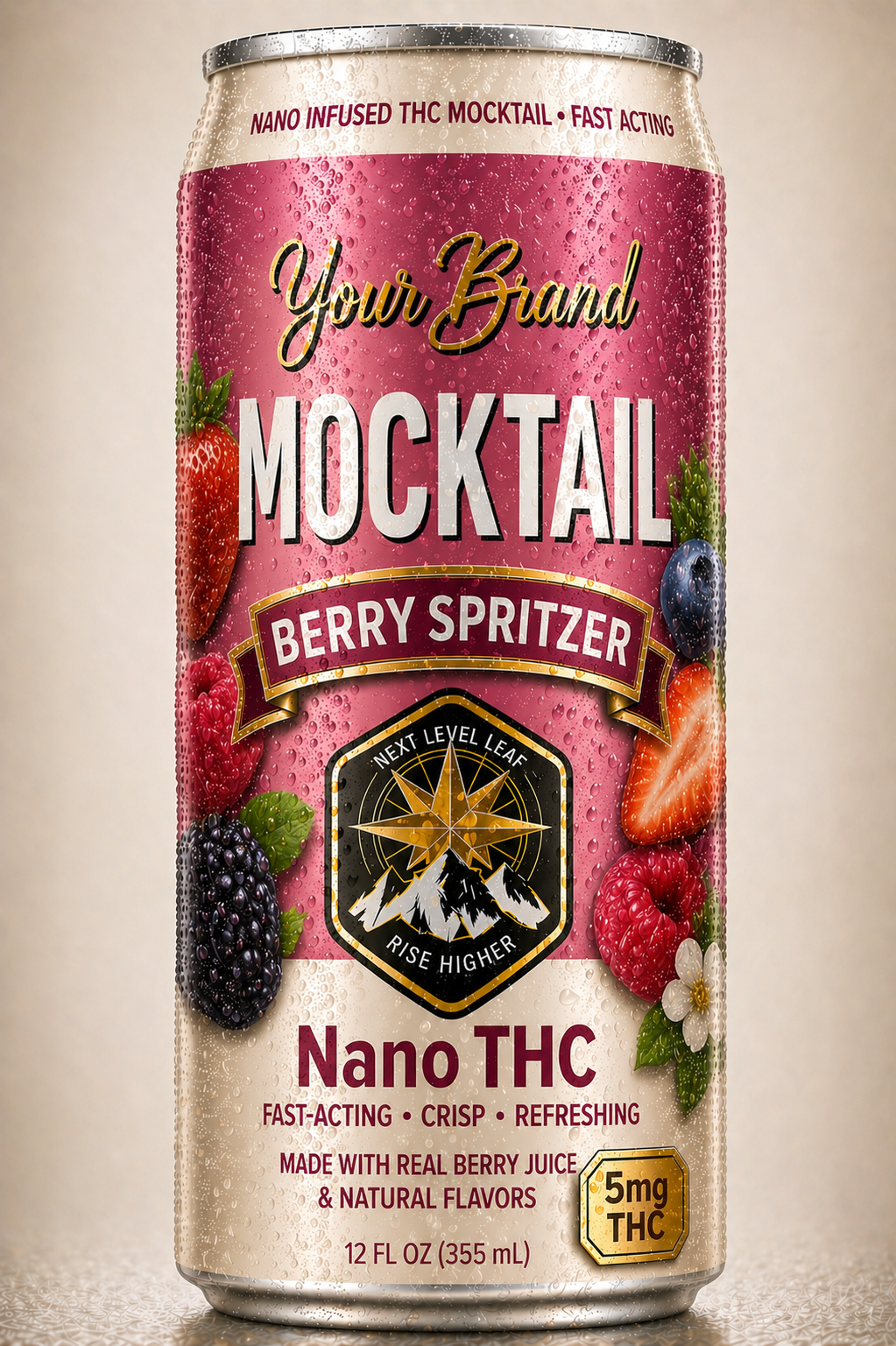 Berry Spritzer
Why flavor strategy matters in THC mocktails
THC mocktails are more experience-driven than basic flavored drinks. The customer is not just buying a flavor; they are buying a drinking occasion. That means the flavor needs to signal something clear: refreshing, celebratory, cocktail-inspired, tropical, brunch-friendly, evening-friendly, or social.
Flavor also affects formulation. Cannabinoid inputs can introduce bitterness, earthiness, astringency, or emulsion notes. A stronger mocktail flavor system can help create a cleaner, more premium finished beverage.
What makes a good THC mocktail flavor?
A good THC mocktail flavor usually has three qualities: it is recognizable, adult, and functional from a formulation standpoint.
Easy to understand
The customer should immediately know what kind of experience the flavor promises.
Premium enough to matter
The flavor should feel like a cocktail-inspired beverage, not a child-like novelty soda.
Built to perform
The flavor should help balance cannabinoid notes, acidity, sweetness, aroma, and mouthfeel.
Founder takeaway: The strongest THC mocktail flavors sell the occasion first and the ingredient list second. Customers should instantly understand when and why they would drink it.
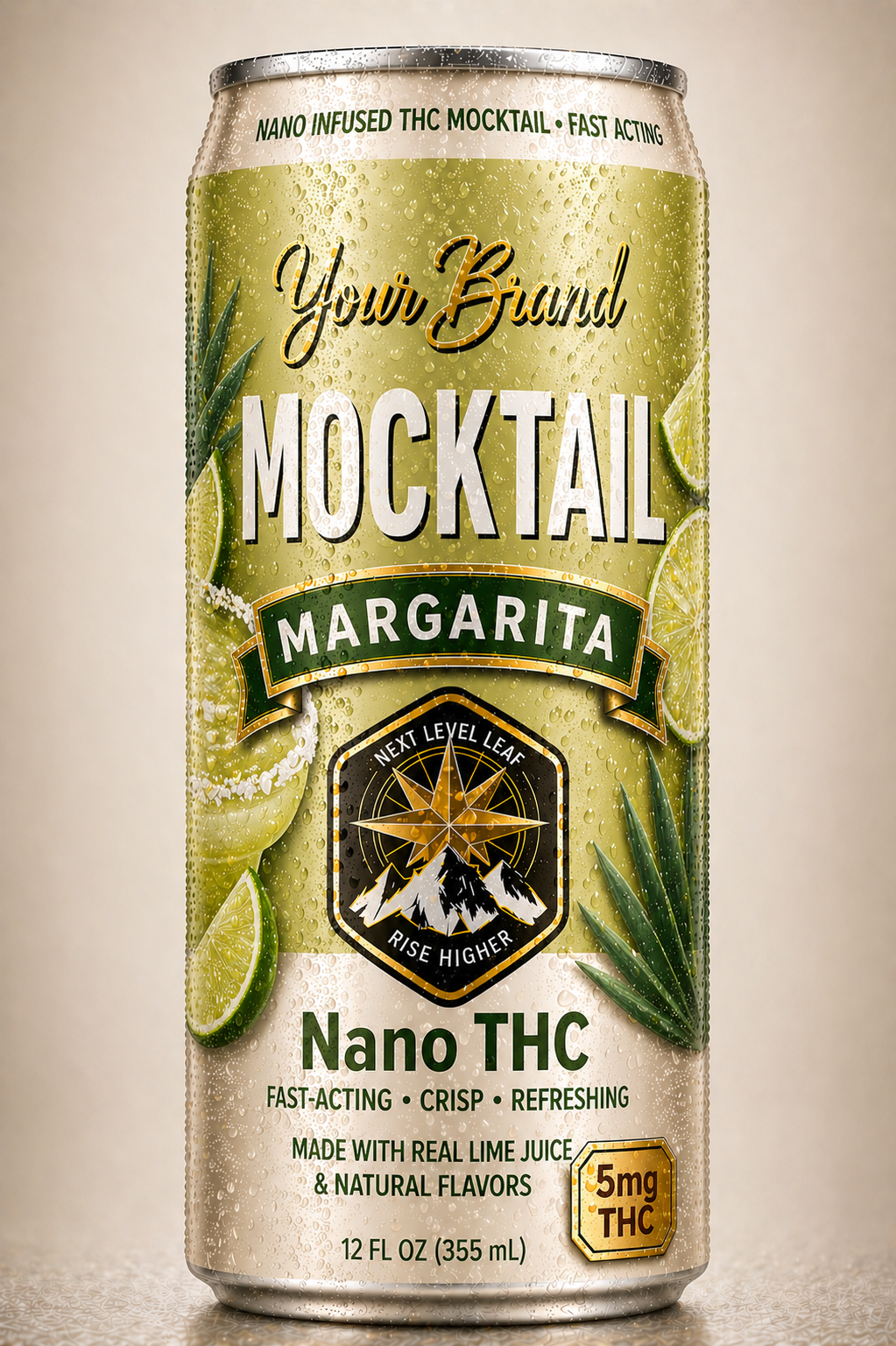
Margarita
Margarita is one of the strongest THC mocktail flavor directions because it is instantly recognizable, adult, and citrus-forward. Lime, citrus, salt cues, and light sweetness can create a familiar alcohol-alternative profile without requiring alcohol.
Margarita also gives formulators useful tools. Acidity and citrus aroma can help support refreshment while giving the flavor system more room to balance cannabinoid bitterness.
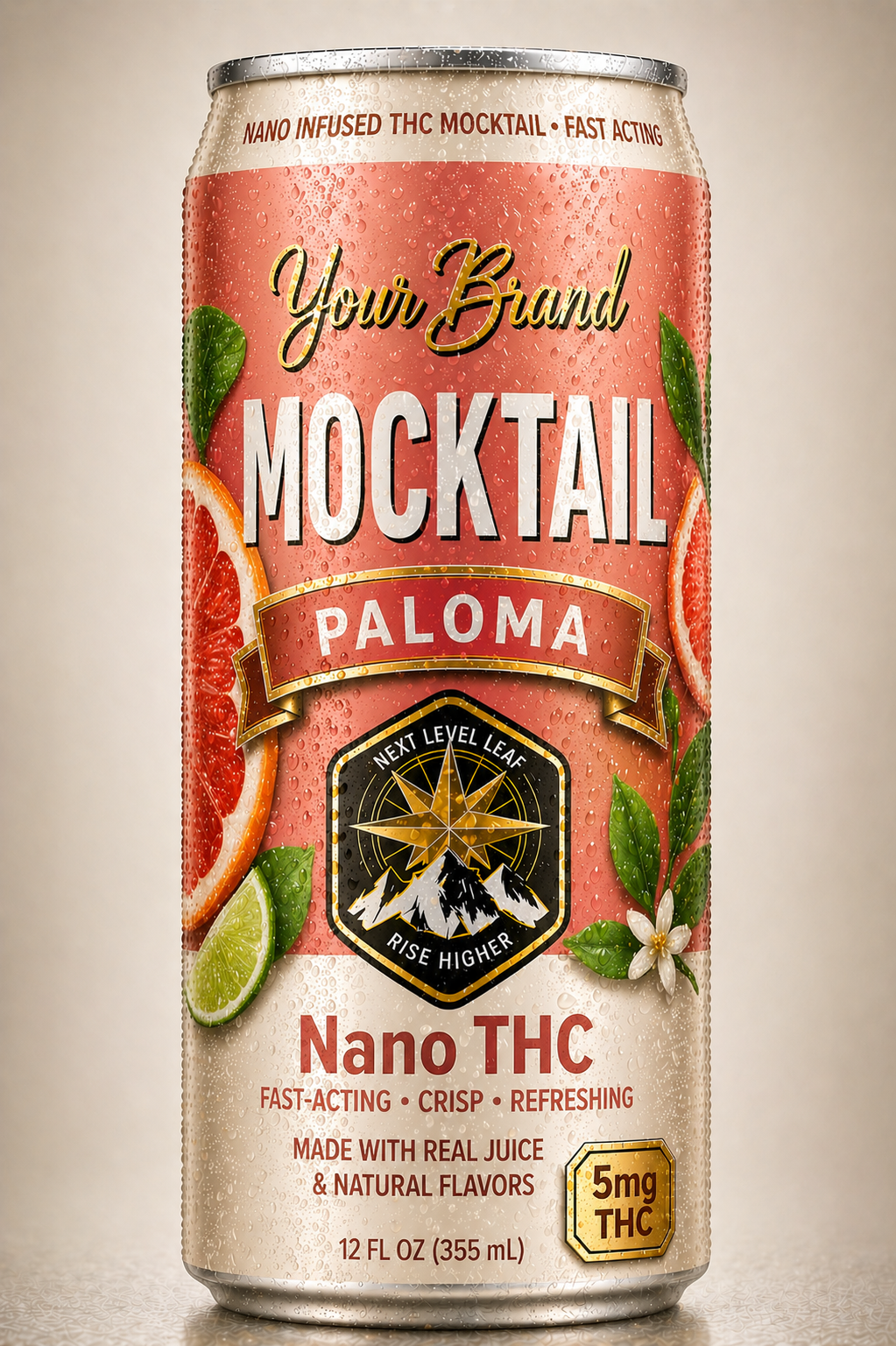
Paloma
Paloma is another strong adult mocktail flavor because grapefruit and citrus feel refreshing, slightly bitter, and cocktail-adjacent. It can be positioned as lighter and more sophisticated than many fruit-forward drinks.
This flavor can work well when the brand wants something bright, modern, and bar-replacement friendly.
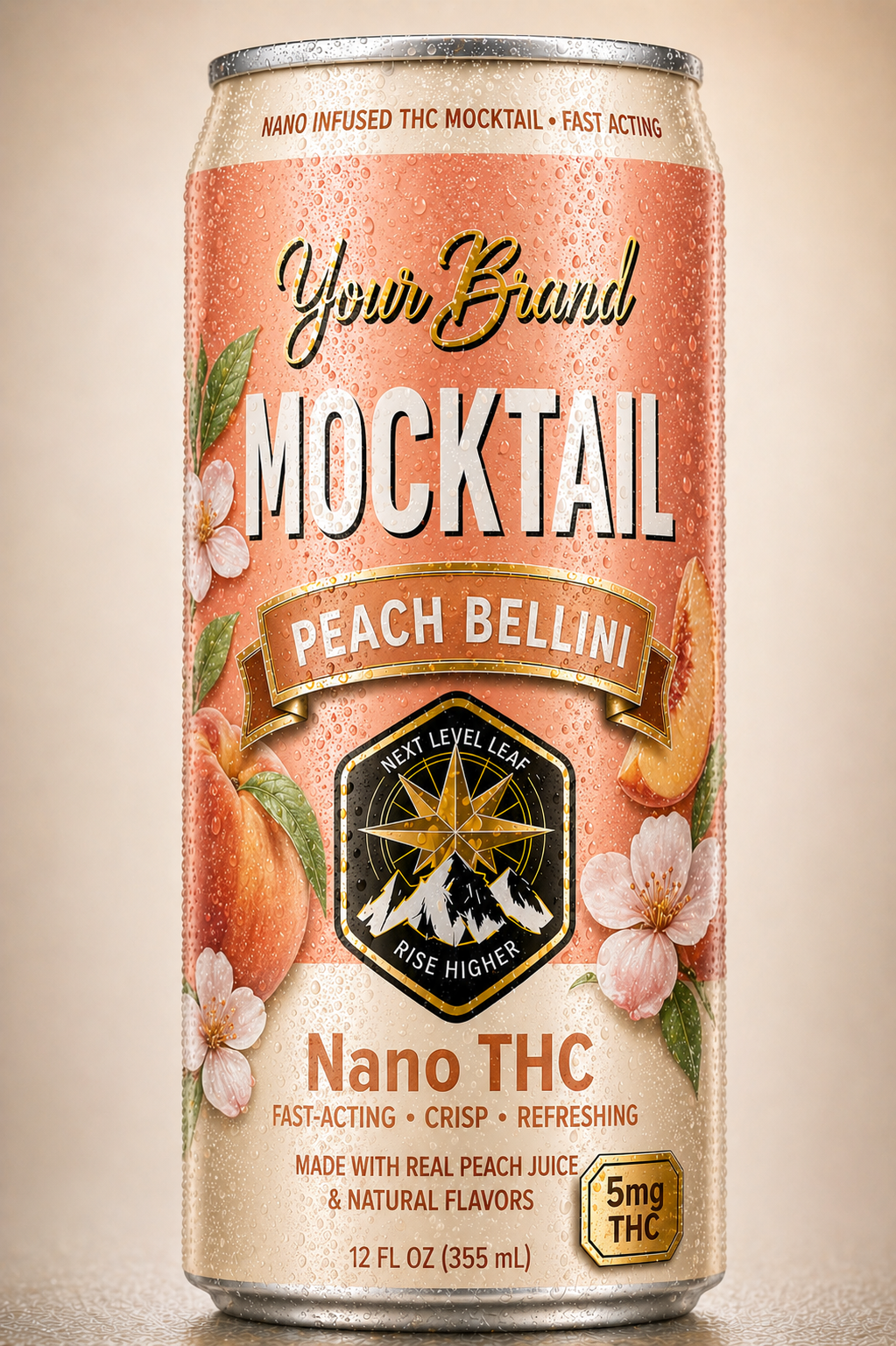
Peach Bellini
Peach bellini works well for brunch, celebration, and social drinking occasions. It is familiar, fruit-forward, and easy to understand without feeling overly basic.
It can be especially useful for brands that want a softer, more approachable mocktail profile compared with sharper citrus flavors.
Pineapple Spritzer
Pineapple spritzer can support tropical, bright, and refreshing positioning. Pineapple provides stronger flavor recognition and more masking potential than very delicate flavors.
This can be useful when the product needs to feel fun, sunny, and social while still staying in an adult ready-to-drink lane.
Berry Spritzer
Berry spritzer is a strong retail-friendly flavor because it is colorful, familiar, and broadly appealing. Berry notes can support aroma, sweetness perception, and flavor intensity.
As a THC mocktail, berry spritzer can work well for social occasions, variety packs, and brands that want a more expressive flavor profile.
Citrus Spritzer
Citrus spritzer is a clean and versatile flavor direction. It can feel crisp, light, and refreshing while still giving the product enough acidity and aroma to feel intentional.
This flavor may work well for lower-dose mocktails, warm-weather launches, and brands that want a more premium sparkling profile.
Strawberry and watermelon
Strawberry and watermelon can work well when the brand wants broad consumer appeal, clear fruit recognition, and a more approachable profile. These flavors can be especially strong when paired with citrus, mint, lime, or spritzer-style acidity.
The key is adult presentation. Strawberry and watermelon can easily become too sweet or too youth-oriented if the formulation and packaging are not handled carefully.
How to choose the first mocktail flavors for launch
Founders do not need to launch every flavor at once. A focused lineup is usually easier to manufacture, test, sell, and improve.
- Choose one recognizable flagship such as margarita or paloma.
- Choose one fruit-forward flavor such as peach bellini, berry spritzer, or pineapple spritzer.
- Choose one crisp refresher such as citrus spritzer or lime-forward profile.
- Avoid overbuilding the first SKU set before the strongest flavor direction is proven.
Flavor masking and cannabinoid inputs
Flavor choice should be connected to the cannabinoid input. Some THC inputs are cleaner than others. Some require more flavor architecture to cover bitterness, aroma, or mouthfeel.
Mocktail flavors can give formulators more tools than a basic seltzer, but they still need careful balance. Too much sweetness can feel cheap. Too much acidity can feel harsh. Too little aroma can make the product feel flat.
For the deeper formulation background, read flavor masking THC, water-soluble THC explained, and beverage stability and shelf life.
Matching flavor to dose and occasion
Flavor should also match the dose and drinking occasion. A 2.5mg spritzer may feel light and social. A 5mg margarita may feel like a core alcohol alternative. A 10mg mocktail may feel more like a deliberate single-can experience where allowed and appropriate.
Light social
Best with crisp, refreshing flavors that support sessionable occasions.
Core mocktail
Best for broad alcohol-alternative positioning and social drink replacement.
Stronger experience
Best when the product is positioned as a more direct single-can infused beverage.
For dose strategy, read low-dose THC drinks and bioavailability in THC drinks.
Compliance and packaging considerations
Flavor and packaging need to work together responsibly. Mocktail flavors can be colorful and exciting, but the brand presentation should remain adult-oriented and compliance-aware.
Founders should avoid child-appealing packaging, irresponsible claims, confusing serving information, or any presentation that makes the product look like a conventional beverage for all ages.
Visit the state resources hub and compliance page for broader market planning.
White-label vs custom mocktail flavors
White-label mocktail flavors can help a brand move faster by starting with proven flavor directions and existing manufacturing pathways. Custom development may be better when the brand needs a signature flavor, unique functional stack, or stronger differentiation.
The right path depends on speed to market, budget, MOQ, brand goals, and how much flavor ownership the brand needs.
How this connects to beverage manufacturing
Flavor strategy affects every part of THC mocktail manufacturing: cannabinoid input, dose, acidity, sweetness, aroma, packaging, testing, stability, compliance, and retail story.
If you are ready to explore a THC mocktail flavor lineup, you can explore beverage manufacturing here or return to the infused mocktails hub.
Related mocktail and formulation guides
Infused Mocktails
Explore the mocktail category and supporting page cluster.
Visit the hub →THC Mocktail Manufacturing
Learn how cocktail-inspired THC drinks move from concept to production.
Explore manufacturing →Ready-to-Drink THC Mocktails
Why canned RTD formats can simplify premium mocktail launches.
Explore RTD mocktails →Bar Replacement Drinks
How infused mocktails can support social occasions without alcohol.
Explore bar replacements →Flavor Masking THC
Learn how flavor architecture can balance cannabinoid off-notes.
Explore flavor masking →Infused Seltzers
Compare mocktails with clean, low-dose sparkling beverage strategy.
Explore seltzers →Frequently asked questions
Ready to choose THC mocktail flavors for your brand?
Share your product idea and we’ll help you think through flavor direction, dose, cannabinoid delivery, packaging, testing, compliance, MOQ, and production strategy.