

Best THC Soda Flavors for White-Label Beverage Brands
The best THC soda flavors are familiar, flavor-forward, retail-friendly, and strong enough to support a polished infused beverage experience.
This guide helps founders compare cola, orange, grape, root beer, cream soda, black cherry, and other soda-style directions before requesting a white-label or private-label THC soda quote.
The best THC soda flavors are usually classic soda profiles that consumers already understand: cola, orange, grape, root beer, cream soda, and black cherry.
These flavors work well because they are familiar, bold, retail-friendly, and naturally suited to a fuller drinking experience. For infused beverage brands, the right flavor should support taste, cannabinoid balance, adult-oriented packaging, retail clarity, dose strategy, and quote readiness.
Why flavor strategy matters for THC soda
THC soda is a flavor-led format. Unlike a very light seltzer, soda gives the brand room to use stronger flavor, fuller mouthfeel, sweetness, acidity, aroma, and nostalgia to create a product that feels familiar from the first sip.
This makes flavor selection one of the most important early decisions. A good flavor can make the product easier to explain, easier to sample, easier to position, and easier for retailers to understand.
Consumers know the format
Classic soda flavors reduce explanation friction because shoppers already know what the product is supposed to taste like.
Bold flavors help balance
Soda flavors can give formulators more room to balance bitterness, aroma, sweetness, and cannabinoid off-notes.
Flavor drives shelf clarity
A strong flavor name helps the can communicate quickly in coolers, endcaps, menus, and product lists.
Flavors create a family
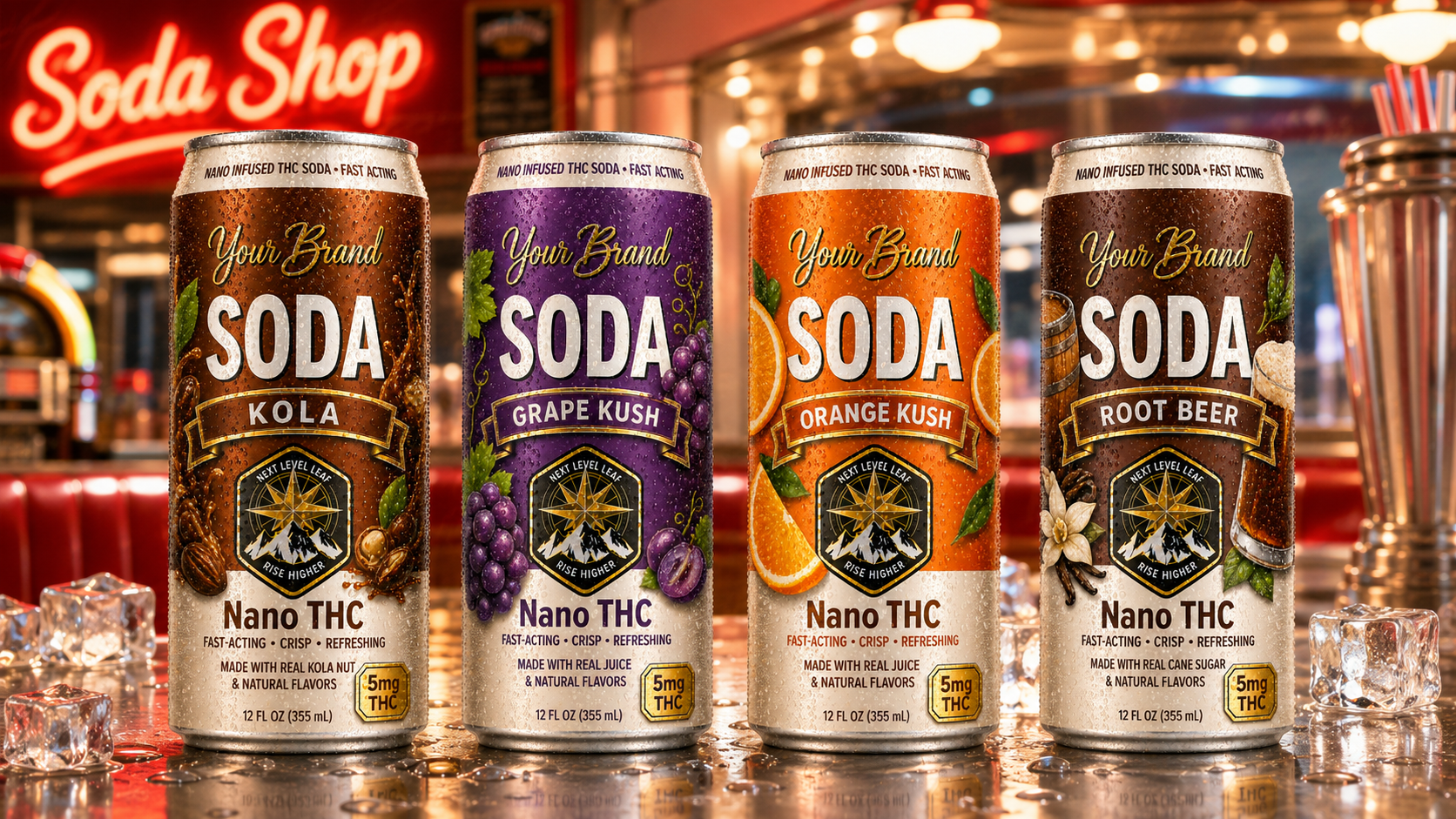
Multiple familiar soda flavors can help a brand look like a complete product line instead of a single experiment.
The best THC soda flavor directions
These six flavors are strong starting points for white-label and private-label THC soda planning because they are familiar, commercially understandable, and well suited to bold flavor architecture.
 Classic
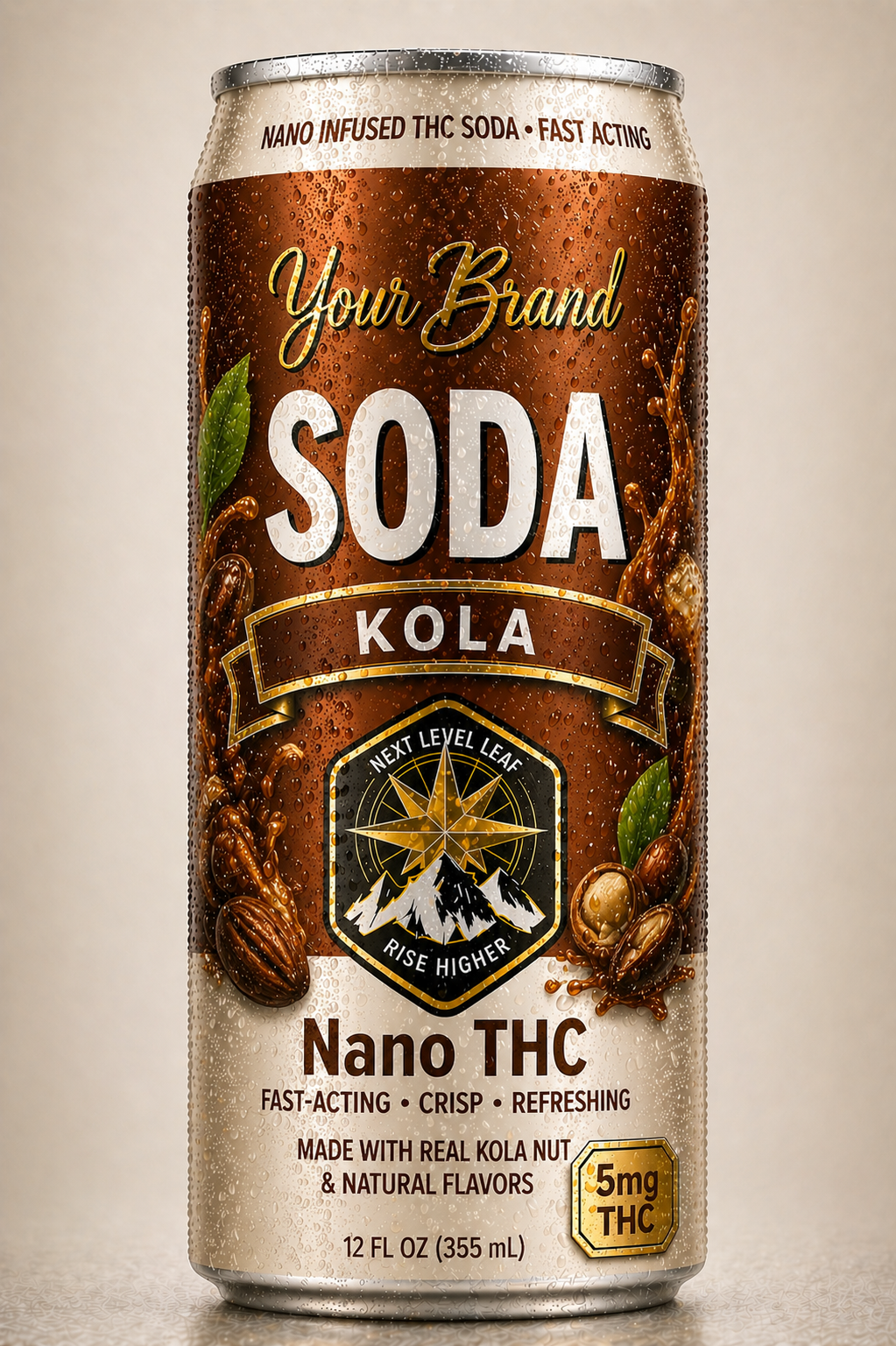
Kola / Cola
Kola-style THC soda gives a brand a familiar anchor flavor with broad recognition and mainstream soda logic.
 Bright
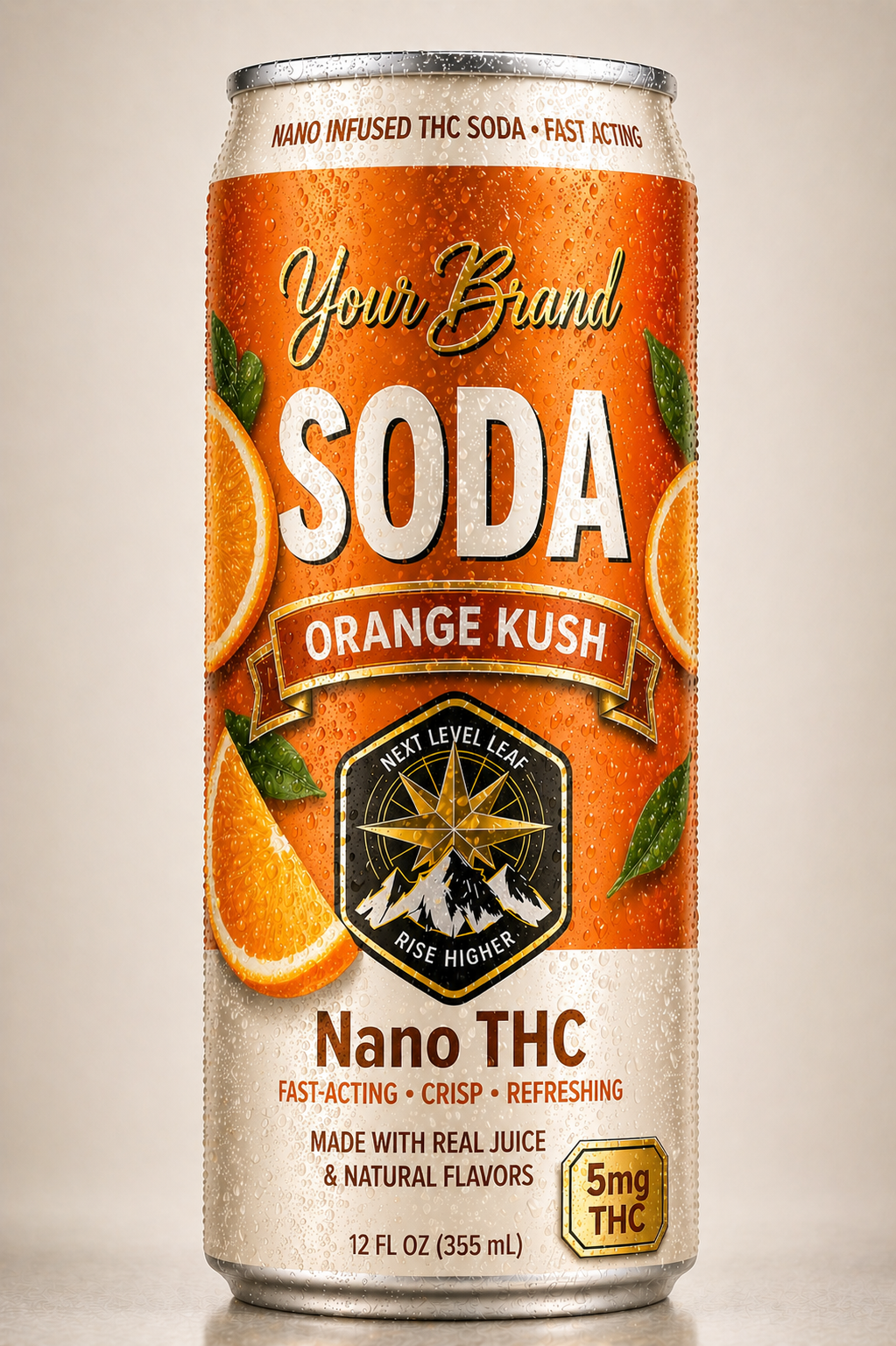
Orange Soda
Orange THC soda can work well when the brand wants a bright, bold, citrus-forward flavor that is easy to understand.
 Bold
Bold
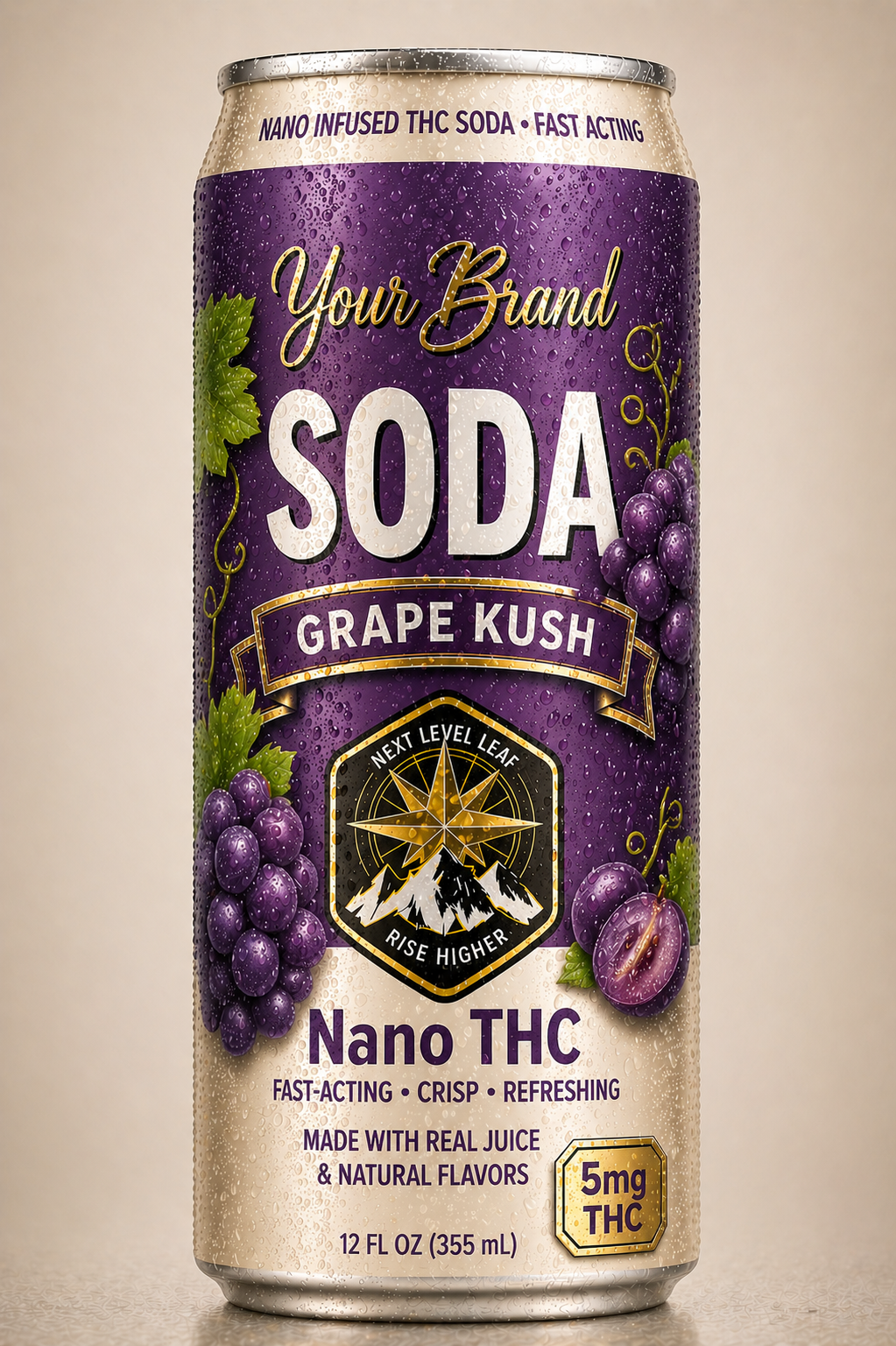
Grape Soda
Grape THC soda offers a nostalgic fruit-forward profile with strong color association, flavor identity, and retail impact.
 Rich
Rich
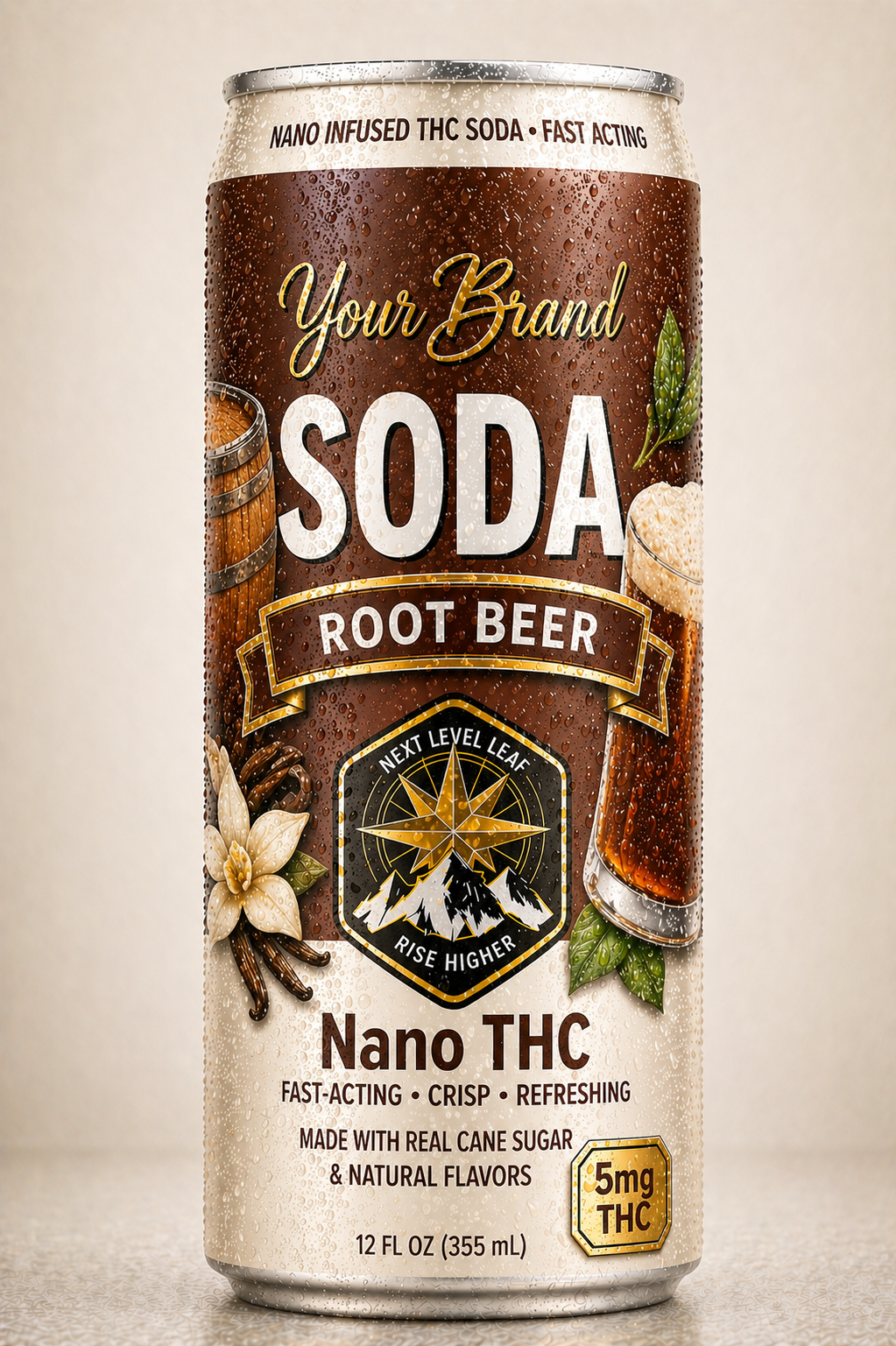
Root Beer
Root beer can create a richer, spiced, more distinctive adult soda experience with strong nostalgic appeal.
 Smooth
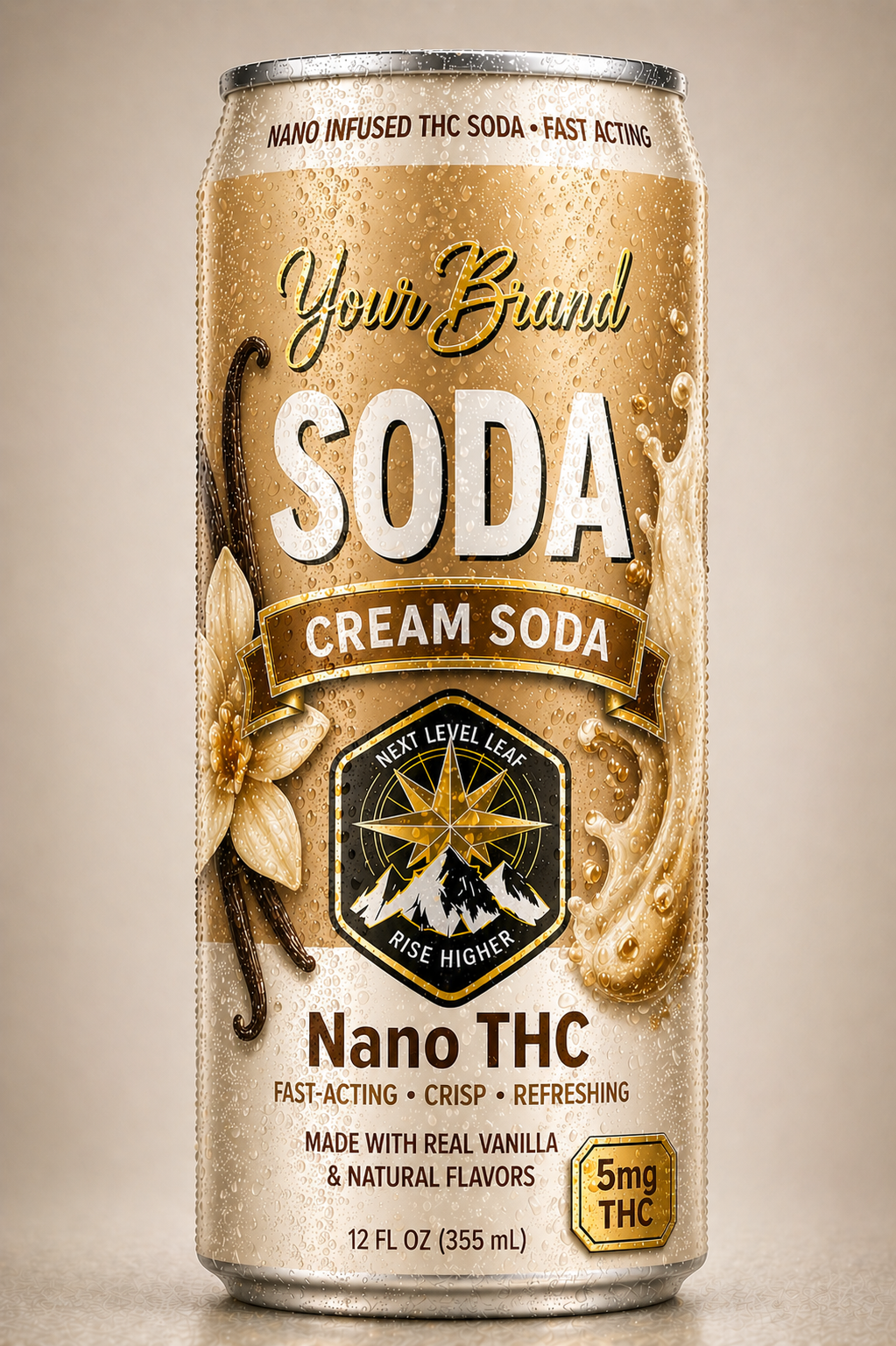
Cream Soda
Cream soda gives brands a smoother vanilla-forward direction with a softer nostalgic finish and dessert-style appeal.
 Premium
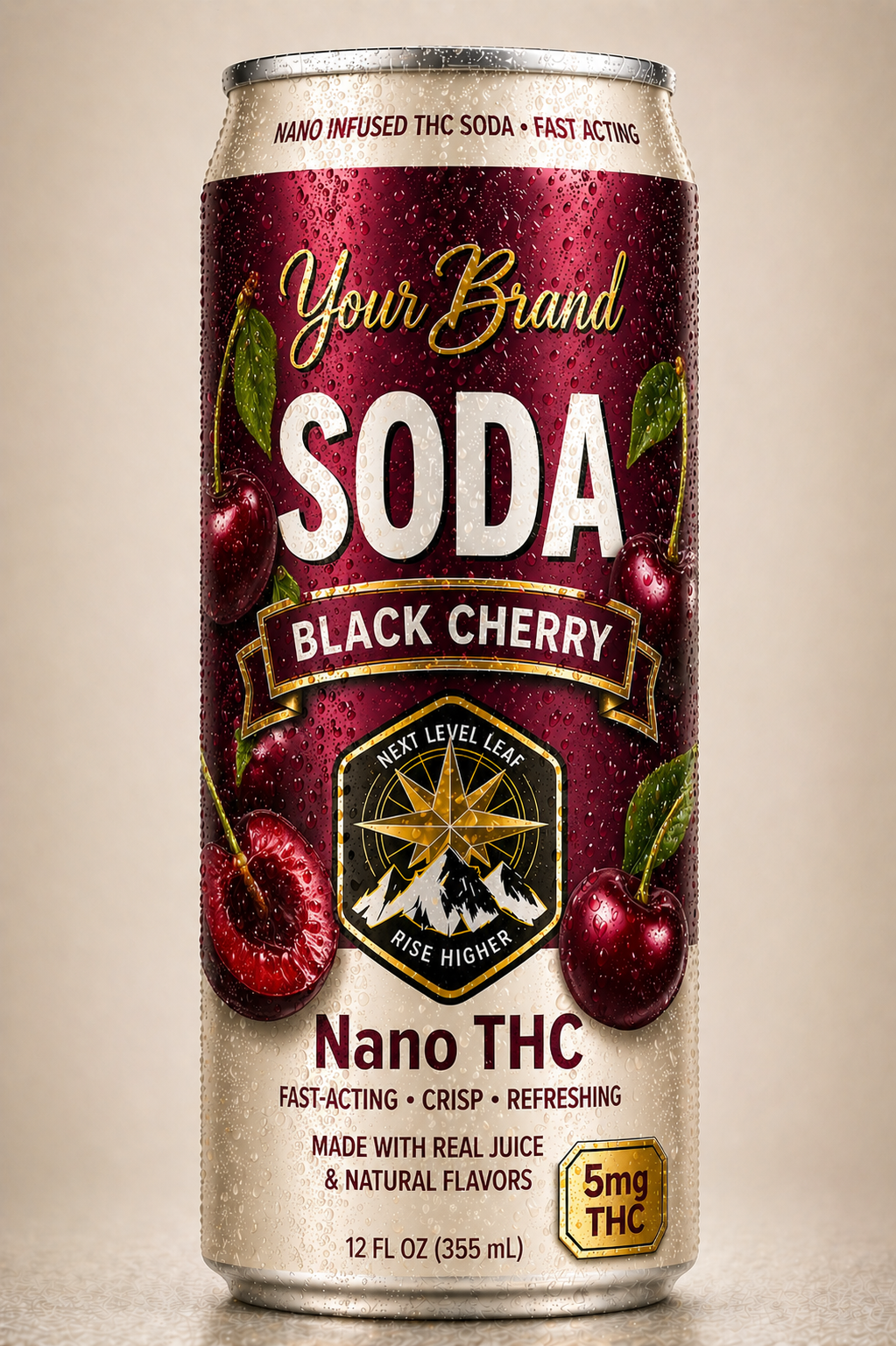
Black Cherry
Black cherry THC soda can feel bold, premium, fruit-forward, and adult-oriented while still fitting a classic soda lineup.
Flavor comparison for founders
The best flavor depends on the brand’s desired personality, customer, packaging style, retail channel, and launch strategy. A familiar soda flavor can be simple on the surface but strategic underneath.
| Flavor | Best For | Brand Feel | Strategic Note |
|---|---|---|---|
| Kola / Cola | Anchor flavor, broad recognition, mainstream soda positioning. | Classic, familiar, dependable. | Strong first flavor when the brand wants an easy entry point. |
| Orange | Bright citrus flavor, high recognition, energetic packaging. | Bold, sunny, approachable. | Can work well as a visually strong flavor for retail and social content. |
| Grape | Nostalgic fruit flavor, bold color identity, strong flavor masking. | Fun but still adult when designed responsibly. | Needs adult-oriented packaging to avoid looking juvenile. |
| Root Beer | Richer flavor systems, spiced profiles, craft-style positioning. | Classic, nostalgic, distinctive. | Can feel more premium or craft-oriented than basic fruit soda. |
| Cream Soda | Smoother profile, vanilla-forward experience, softer finish. | Smooth, nostalgic, mellow. | Good option when the brand wants a softer, less acidic soda profile. |
| Black Cherry | Darker fruit, premium adult positioning, bolder flavor identity. | Premium, bold, fruit-forward. | Strong choice for brands that want a classic flavor with a more elevated feel. |
How flavor affects THC flavor masking
Flavor masking is one reason soda can be a strong infused beverage format. Because THC inputs can create bitterness, aroma, or lingering notes, the flavor system needs enough structure to support the finished drink.
Stronger soda flavors can provide more room for balancing sweetness, acidity, carbonation, aroma, and finish. That does not mean every bold flavor works automatically. The formula still needs to be built around the cannabinoid input, target dose, and desired drinking experience.
Founder takeaway: Choose a flavor that supports the product technically and commercially. The best THC soda flavor should taste good, communicate quickly, support adult-oriented packaging, and make the infused beverage easier to understand.
For more on formulation, review Flavor Masking THC, Water-Soluble THC Explained, and Beverage Stability and Shelf Life.
Should you launch one flavor or a full soda lineup?
A full flavor lineup can look impressive, but it is not always the best first move. A smaller launch can reduce inventory complexity and help the brand learn what customers actually reorder.
Best for focused testing
One strong flavor can help a founder validate the concept without spreading budget and inventory across too many SKUs.
Best for simple comparison
Two flavors can help the brand compare customer response while still keeping the first run manageable.
Best for retail presence
A broader lineup may make sense when the brand needs stronger cooler impact or already has retail demand.
Packaging should match the flavor promise
THC soda packaging has to communicate flavor quickly while staying adult-oriented and credible. This is especially important for colorful flavors like grape, orange, cream soda, and black cherry.
The brand can use flavor cues, but it should not look child-oriented, candy-like, or confusing to retailers. Strong packaging should help the customer understand the product while also supporting responsible positioning.
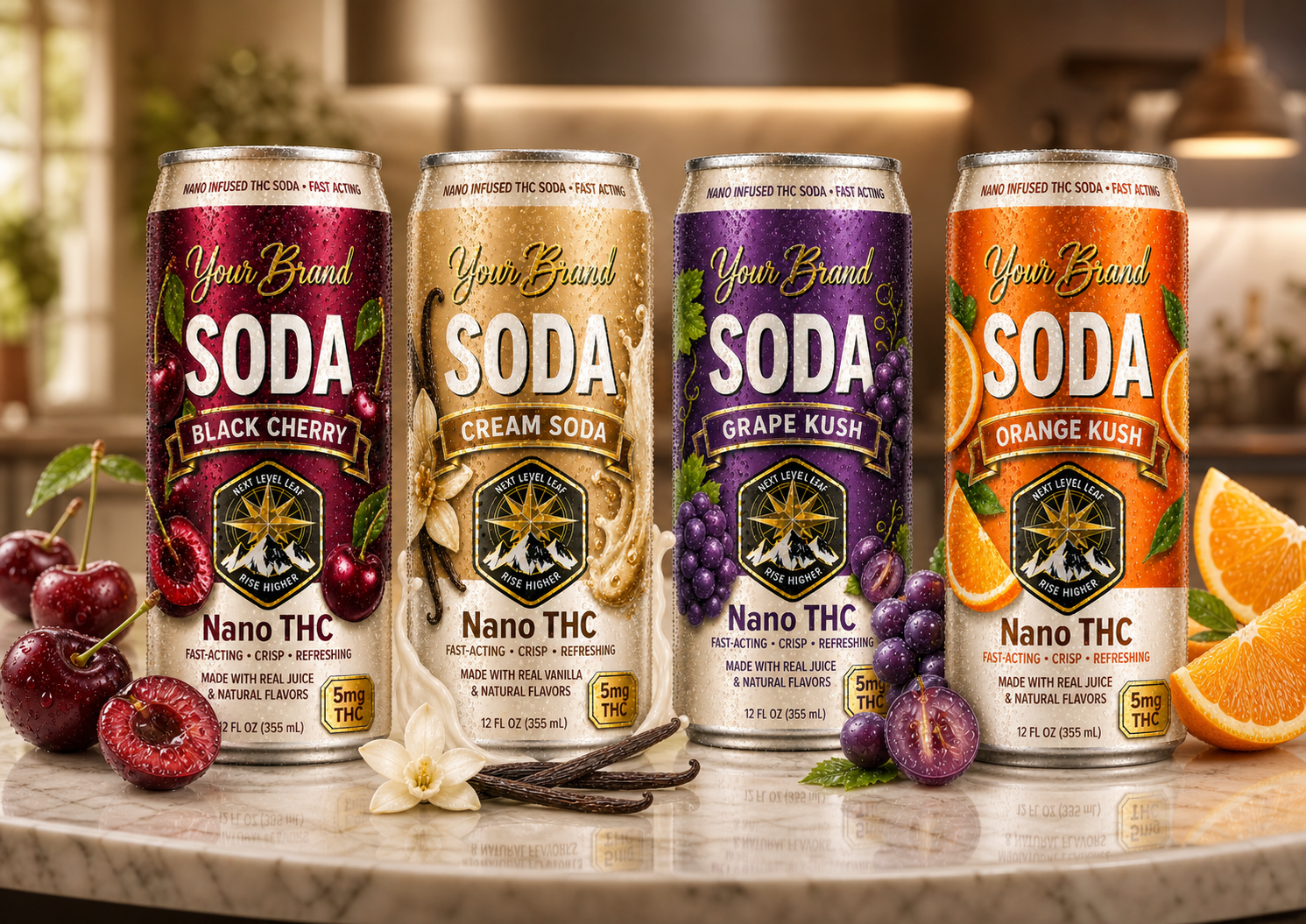
Make the first impression obvious
A soda flavor should be easy to understand at a glance. The can, flavor name, color system, THC amount, and product type should work together so the buyer does not have to guess what the beverage is.
That clarity matters for retail coolers, sales decks, social content, menus, sampling conversations, and distributor communication.
Best flavor choices by brand goal
A flavor decision should match the brand’s business goal. The right answer for a smoke shop-focused launch may differ from a premium beverage brand, dispensary extension, event-driven brand, or regional retail strategy.
Start with cola or orange
These flavors are immediately understandable and can work well when a brand wants broad familiarity.
Use grape or black cherry
These flavors create stronger color, aroma, and flavor identity for brands that want a more expressive product.
Consider root beer or cream soda
These options can feel classic, distinctive, and more craft-oriented than basic fruit soda profiles.
Flavor, dose, and format should work together
The flavor should fit the intended dose and use case. A low-dose soda may be positioned as a social beverage, while a stronger format may need more careful packaging, state strategy, and retail planning.
Dose, sweetness, carbonation, serving size, can format, and target state all shape the final product. That is why flavor selection should happen alongside manufacturing planning, not as an isolated design decision.
White-Label THC Soda
Learn how white-label soda can help brands move faster from flavor concept to quote-ready planning.
Explore white label →THC Soda Manufacturing
Understand the production path behind flavor, dose, carbonation, testing, COAs, and launch volume.
Review manufacturing →Request a Soda Quote
Share your flavor direction so the project can be scoped around MOQ, dose, packaging, and timing.
Complete the form →What to prepare before requesting a quote
To get a useful quote, prepare the flavor direction and the business context around it. A manufacturer needs to know more than “we want a THC soda.” The flavor is only one part of the production plan.
- Primary flavor or flavor family.
- Whether you want one flavor or a multi-flavor lineup.
- Desired THC dose per can.
- Target states and sales channels.
- Can size and packaging status.
- Estimated launch quantity or MOQ target.
- Timeline for samples, production, retail launch, or events.
- White-label, private-label, or custom development preference.
Where to go next
If you already know the flavor direction, the next step is to complete the White Label Information Request. If you are still comparing formats, review the soda hub, white-label soda guide, and THC soda manufacturing guide first.
Infused Sodas
Explore the broader soda format, flavor strategy, and retail positioning.
Explore soda hub →White-Label THC Soda
Understand the white-label path for launching familiar soda flavors under your brand.
Review white label →THC Soda Manufacturing
See how formulation, carbonation, packaging, testing, COAs, and MOQ shape a soda launch.
Review manufacturing →THC Beverage Formulation
Explore the formulation decisions behind water-compatible THC beverages.
Explore formulation →Beverage Manufacturing
See how Next Level Leaf supports white-label and private-label infused beverage projects.
Explore manufacturing →White Label Information Request
Move from flavor idea to quote-ready soda planning.
Complete the form →Frequently asked questions
Ready to choose a THC soda flavor for your brand?
Share your flavor direction and we’ll help you think through dose, packaging, formulation, testing, COAs, MOQ, pricing, and production timing.