


What Is Functional Coffee?
Start with the category definition, how functional coffee differs from regular coffee, and why coffee-plus-function gives brands a clearer reason to exist.
Functional coffee pairs a familiar coffee ritual with a clearer product purpose, such as focus, energy, smoother balance, mushroom coffee, adaptogenic coffee, nootropic positioning, or cannabinoid-infused coffee concepts.
Use this hub to move from category understanding to practical launch planning. Start with the core guides, compare product directions, then choose the functional coffee direction that best fits your audience, format, ingredient strategy, and first production run.
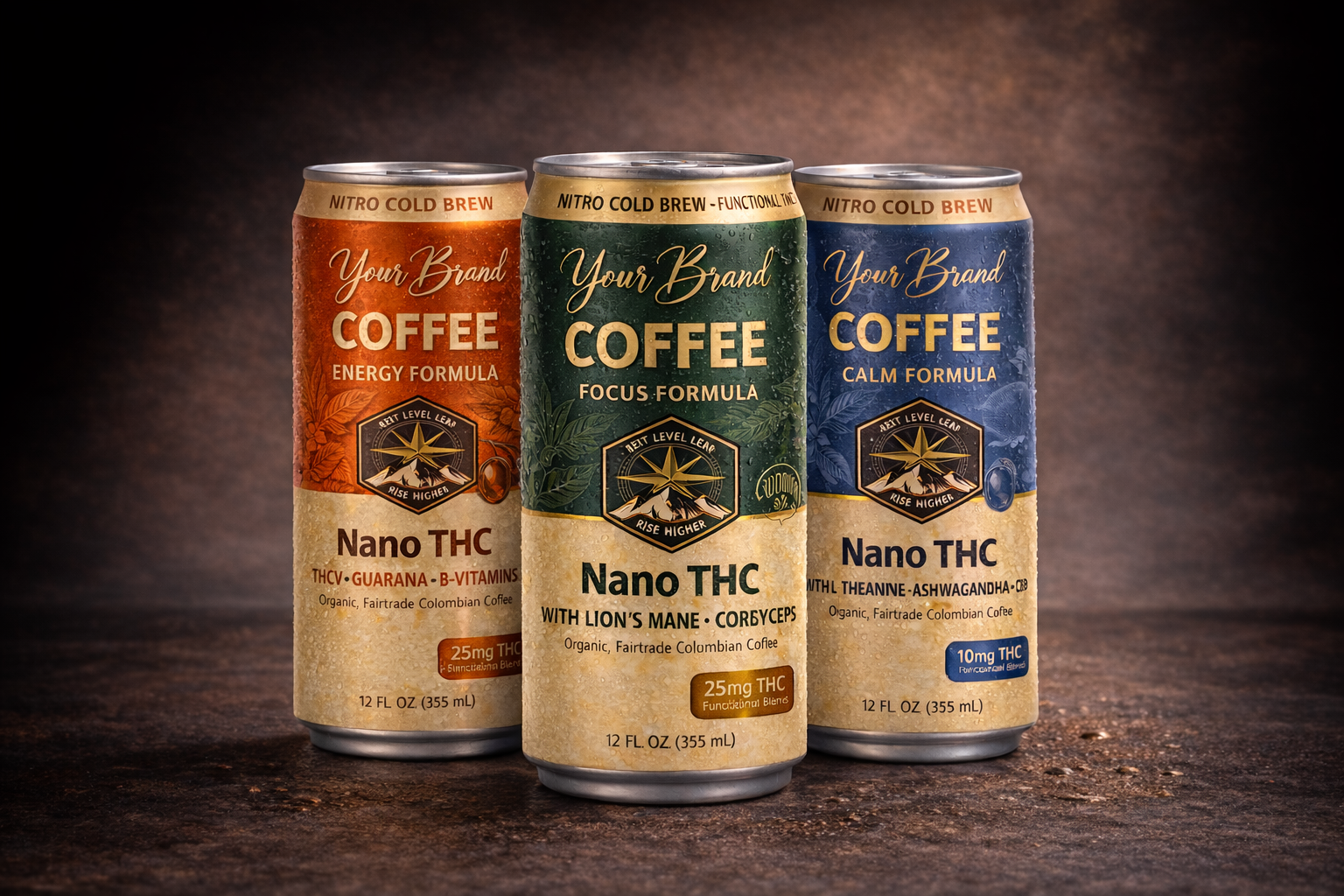
Functional coffee is not just regular coffee with extra ingredients added. For beverage founders, it is a coffee-first product strategy built around a clearer use occasion, ingredient direction, and customer promise. The strongest functional coffee brands usually start with a focused product direction, then connect that direction to realistic manufacturing decisions such as MOQ, cost, packaging, testing, and first-run timing.
Start here
These pages help founders understand the category, evaluate launch requirements, and prepare for a realistic quote conversation.
Start with the category definition, how functional coffee differs from regular coffee, and why coffee-plus-function gives brands a clearer reason to exist.
Move from idea to first release by choosing a lead concept, production path, packaging direction, and manufacturing-ready launch plan.
Understand the major cost drivers: MOQ, formula complexity, ingredients, packaging, testing, labeling, freight, and whether the launch is white-label or custom.
Learn how first-run volume shapes budget, inventory, testing, packaging, and the amount of market feedback a brand can gather from launch.
This group should work like a practical decision map. The definition page explains the category. The launch guide, cost guide, and MOQ guide help with production planning. The product-direction pages then help founders choose a clearer commercial angle before requesting a quote.
Commercial product directions
These pages help founders compare the strongest product and positioning directions inside functional coffee.
White-label mushroom coffee is one of the clearest commercial directions because it combines a familiar coffee ritual with a differentiated functional coffee story.
Adaptogenic coffee works best when the brand chooses one clear direction instead of trying to make the product do everything at once.
Nootropic coffee adds a more specific focus, clarity, or productivity angle to the familiar coffee ritual.
Use occasions
These pages live under the Functional Coffee section so founders can compare the main use occasions without leaving the category.
A focus-oriented coffee concept built around clarity, productivity, and a workday-friendly customer moment.
An energy-oriented coffee concept built around drive, active use occasions, and performance-forward positioning.
A smoother and more refined direction for brands that want a balance-oriented coffee-plus-function story.
Founder decision path
The best first product is usually the one with the clearest customer moment, not the longest ingredient list.
Before choosing ingredients, decide what the product should represent. A functional coffee brand can be positioned around focus, energy, calm balance, mushroom coffee, adaptogenic support, nootropic-style clarity, or cannabinoid-infused coffee. The stronger the promise, the easier it is to evaluate flavor, packaging, claims language, and production path.
For a practical next step, review the cost guide and MOQ guide before requesting a quote.
A brand may start with a simpler white-label direction, a more custom formula, or a first-run concept that uses an existing RTD coffee, cold brew, or nitro coffee path. The right path depends on the intended product direction, ingredient stack, can format, label plan, testing needs, and first-run timing.
When the concept is ready, the next step is to request a quote so the project can be reviewed around manufacturing fit, MOQ, ingredients, packaging, and timing.
If you want to create a premium coffee product with a stronger function-forward identity, start by choosing the product direction, audience, ingredient direction, and first-run path you want to explore.