


Calm Coffee for Functional Coffee Brands
Calm coffee is a functional coffee concept built around smoother energy, balance, and a more refined coffee experience. For founders, it creates a premium coffee-plus-function lane that feels different from traditional coffee, energy coffee, or purely performance-oriented positioning.
This page explains how calm coffee fits inside the broader functional coffee category, how it differs from energy coffee and focus coffee, and what founders should think through before moving toward formulation and manufacturing.
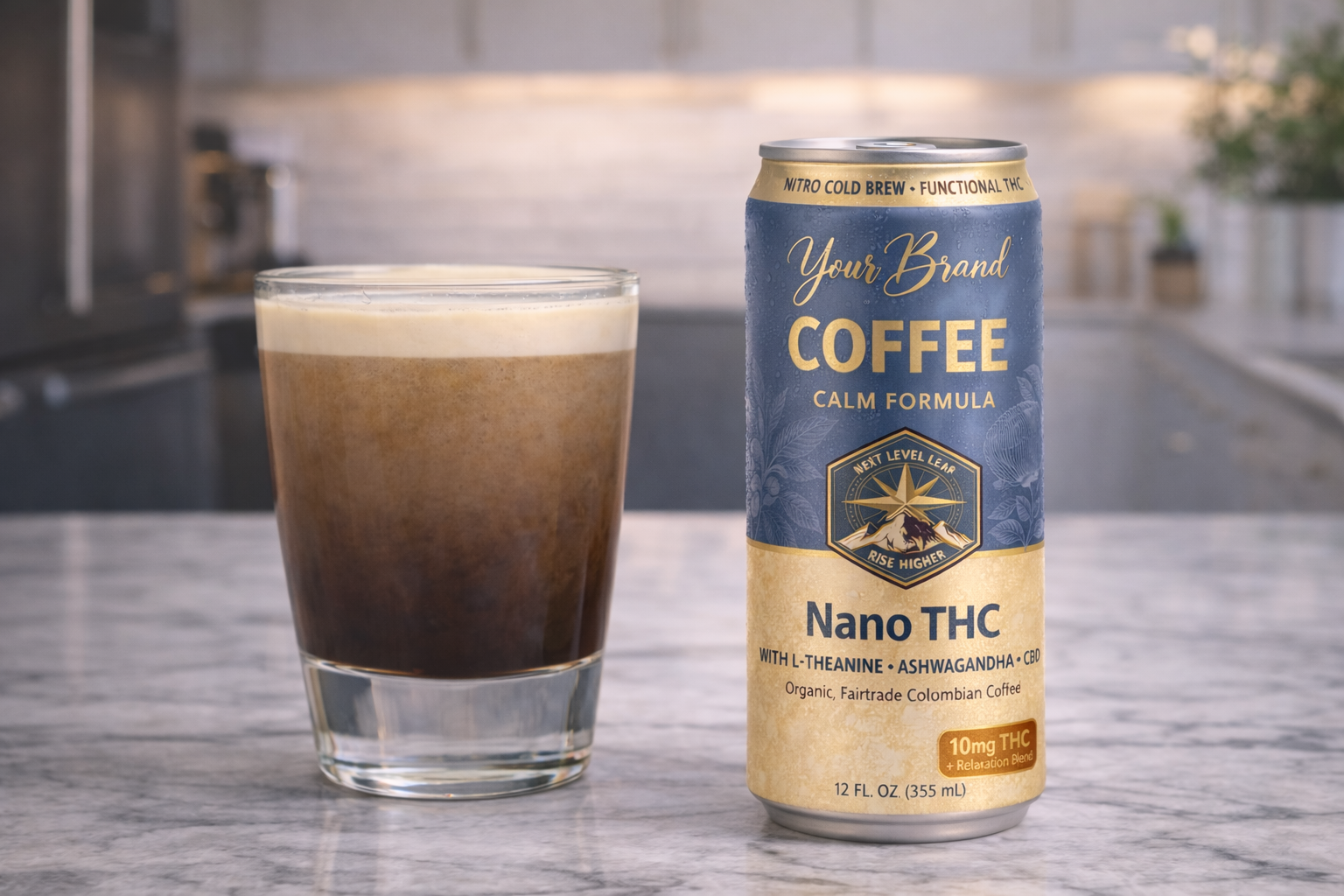
Calm coffee is coffee positioned around a smoother, more balanced experience rather than a high-stimulation or purely performance-driven promise. It can help founders build a more premium, lifestyle-oriented functional coffee product while still staying grounded in the familiar coffee ritual.
The strongest calm coffee concepts are not vague wellness claims. They are clear product stories supported by the right format, flavor profile, functional ingredient direction, packaging, and quote-ready manufacturing plan.
In this guide
Calm Coffee
A more refined coffee-plus-function lane built around smoother energy, balance, routine, and premium lifestyle positioning.
- more composed brand voice
- strong fit for wellness-oriented coffee concepts
- natural bridge to adaptogens, mushrooms, botanicals, or cannabinoids
- useful when the brand should not feel overstimulating
Energy Coffee
A more assertive functional coffee lane built around drive, stimulation, active use occasions, and performance-oriented messaging.
- more direct performance story
- stronger stimulation-forward identity
- clearer fit for active, hustle, or high-output audiences
- can be less subtle than calm coffee positioning
What calm coffee is
Calm coffee is a functional coffee concept designed around a more balanced coffee experience. Instead of making the product feel bigger, louder, or more aggressively stimulating, the brand story leans into refinement, smoother energy, and a more intentional coffee ritual.
That makes calm coffee different from a generic coffee concept. The product still needs to taste like a credible coffee product, but the functional layer gives it a more specific reason to exist.
What the product story can be built around
A calm coffee concept can be positioned around several customer-facing ideas, such as:
- a smoother coffee routine
- a less aggressive energy experience
- a more composed afternoon coffee option
- a premium lifestyle or wellness-oriented coffee ritual
- a balanced coffee-plus-function product line
Calm coffee works best when the product feels intentional, premium, and easy to understand — not like a complicated ingredient stack trying to explain itself.
Why calm coffee works as a functional coffee lane
Calm coffee works because it gives founders a differentiated product story without leaving the familiar coffee category. Coffee already has a daily ritual, premium identity, and strong repeat-use behavior. A calm-positioned concept adds a more specific angle to that behavior.
This can be especially useful when a founder wants the brand to feel more refined than a standard energy beverage or more lifestyle-oriented than a purely productivity-focused product.
It creates contrast inside the coffee category
Most coffee messaging leans toward energy, speed, morning urgency, or productivity. Calm coffee creates contrast by giving the brand a different emotional tone. That contrast can make the product feel more memorable when the positioning is clear.
It can feel premium without feeling clinical
The goal is not to make the product sound like a supplement or medical product. The goal is to create a premium beverage concept with a clearer use occasion, cleaner product story, and better fit for the intended audience.
Calm coffee vs energy coffee and focus coffee
Energy coffee, focus coffee, and calm coffee can all live inside the same functional coffee system, but they should not sound identical.
Energy coffee
Energy coffee usually leans toward drive, stimulation, active use occasions, and performance-oriented positioning. It is typically a more assertive lane.
Focus coffee
Focus coffee is usually built around clarity, cognition, concentration, productivity, and work-oriented routines. It may overlap with nootropic coffee depending on the ingredient direction and brand story.
Calm coffee
Calm coffee is the more composed lane. It can still be functional and coffee-first, but the product story is usually built around smoother energy, balance, routine, and lifestyle positioning.
Formulation and positioning decisions
The strongest calm coffee concepts start with positioning first, then choose ingredients that support that positioning. Starting with too many ingredients can make the product harder to explain and harder to manufacture cleanly.
Adaptogenic direction
A calm coffee concept can connect naturally to adaptogenic coffee strategy when the product is positioned around balance, routine, or a more grounded lifestyle identity.
Mushroom direction
Some calm coffee concepts may also overlap with mushroom coffee white-label positioning, especially when the brand wants a functional coffee product that feels premium, modern, and differentiated.
Nootropic direction
Nootropic-style ingredients can be useful in a calm coffee concept when the product is positioned around a smoother workday or more composed productivity experience. The key is to keep the story simple and believable.
Cannabinoid direction
Some founders may want to explore cannabinoid coffee for a calm-positioned product. That path requires extra attention to state rules, testing, labeling, intended market, and whether the product should be hemp-derived, non-cannabinoid, or built around another functional ingredient system.
Manufacturing path, pricing factors, and quote-readiness
Once the brand direction is clear, the practical questions become format, flavor, functional ingredient direction, packaging, first-run volume, and launch timeline.
Format choices
Calm coffee can be built as ready-to-drink coffee, cold brew, nitro coffee, or another coffee-first product. The best format depends on shelf strategy, target buyer, flavor goals, and production path.
Pricing and MOQ factors
Costs are shaped by the coffee base, functional ingredient system, dose targets, packaging, testing requirements, label approach, and production volume. A narrower first concept is often easier to price, produce, and learn from than a wide multi-SKU launch.
What to prepare before requesting a quote
Before requesting a quote, founders should be ready to share:
- the target customer and use occasion
- preferred coffee format, such as RTD, cold brew, or nitro
- whether the product is non-cannabinoid, hemp-derived, or still undecided
- functional direction, such as adaptogenic, mushroom, nootropic, cannabinoid, or blended
- flavor direction and sweetness preferences
- packaging preference and estimated first-run volume
- target launch timing and states or sales channels if known
When those details are clear, the manufacturing conversation becomes more practical and the quote path becomes faster.
How calm coffee can fit into a product line
Standalone hero SKU
A single calm coffee SKU can work when the brand wants one clear, premium lead product with a specific use occasion.
Start a quote path →Part of a function set
Calm coffee can sit beside focus and energy coffee as part of a clearer daypart or occasion-based product architecture.
Compare focus coffee →Bridge to infused coffee
For some brands, calm coffee can be a bridge into hemp-derived or cannabinoid coffee if the market, compliance path, and buyer fit make sense.
Explore manufacturing →Frequently asked questions
Related reading
Ready to build a calm coffee product?
If you want to create a premium coffee product built around smoother energy, balance, and a more refined use occasion, the next step is defining the product concept, audience, ingredient direction, and launch path.