

Energy Coffee for Functional Beverage Brands
Energy coffee is a coffee-first functional beverage concept positioned around drive, stimulation, and active use occasions. For founders, it creates a clearer commercial angle than a generic coffee product while still building on a daily ritual customers already understand.
The strongest energy coffee concepts do not try to become another energy drink with coffee flavor. They use coffee, format, function, and brand positioning together so the product feels premium, believable, and easy to explain.
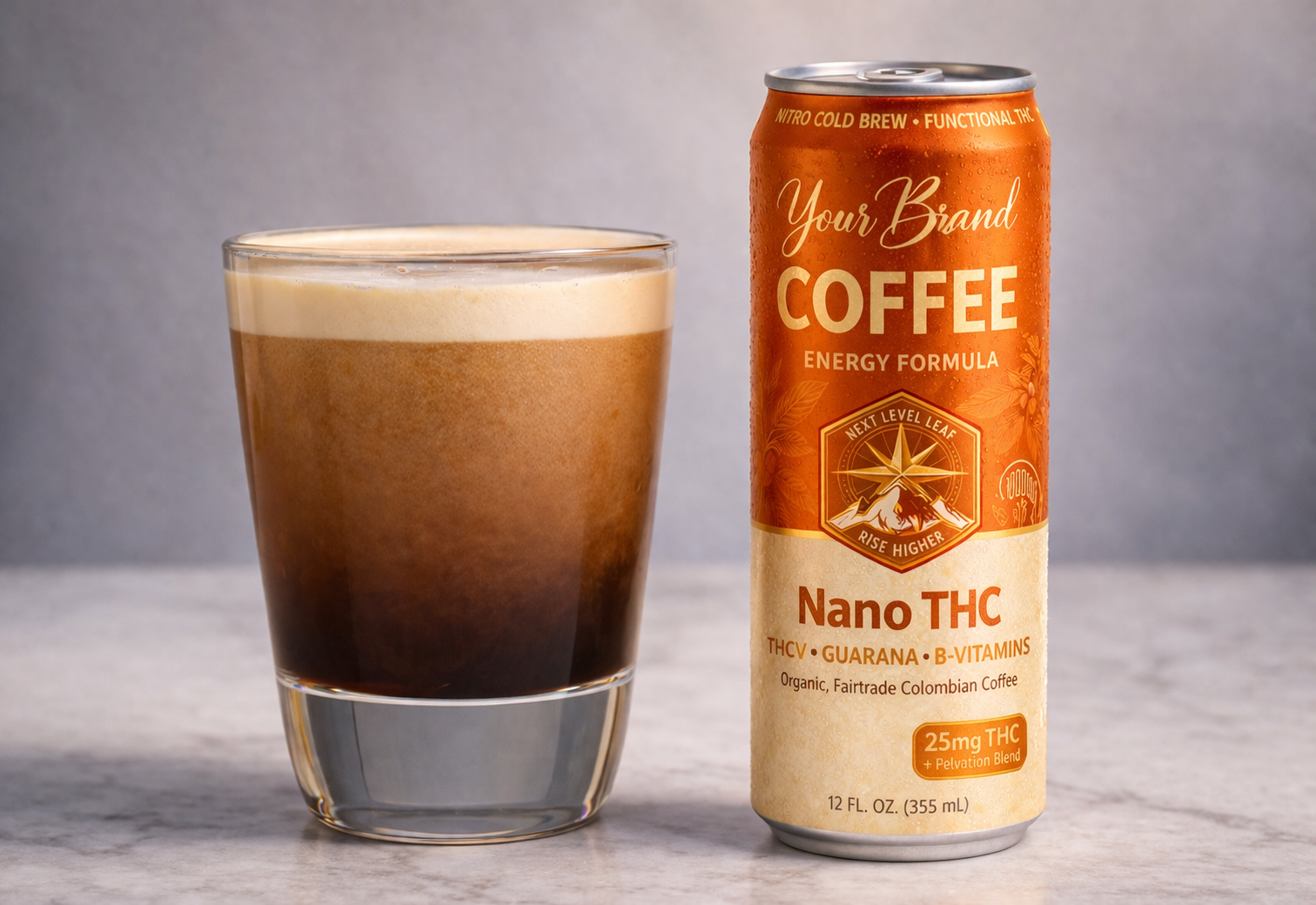
Energy coffee is functional coffee built around an active, output-oriented customer moment. It can be positioned for drive, performance, longer workdays, pre-workout routines, event-heavy schedules, or other high-demand occasions, but the product should still feel like a premium coffee brand first.
In this guide
What is energy coffee?
Energy coffee is a functional coffee concept that uses coffee as the base and builds a more specific product story around drive, stimulation, or active daily performance. It is different from regular coffee because the brand promise is more defined than taste, caffeine, or roast quality alone.
For a founder, that matters because the product has a clearer reason to exist. Instead of asking the customer to choose another coffee, the brand can speak to a specific moment: the morning push, the long shift, the gym-adjacent routine, the work sprint, the travel day, or the customer who wants coffee with a stronger energy-oriented identity.
Energy coffee works best when it feels like a sharper expression of coffee, not a confused hybrid trying to be coffee, energy drink, supplement, and wellness product all at once.
Why energy coffee works as a functional beverage lane
Energy coffee works because it amplifies something people already associate with coffee. Coffee already has a natural connection to starting the day, staying alert, and getting things done. Energy coffee makes that connection more intentional.
That gives founders several advantages:
- the use occasion is easy to understand
- the product can feel more specific than regular coffee
- the brand can speak to active, high-output customer moments
- RTD and nitro formats can make the concept feel more premium and convenient
- the product can sit inside a broader functional coffee portfolio
The opportunity is not just to make coffee stronger. The better opportunity is to build a coffee product with a more intentional energy story, cleaner shelf communication, and a practical manufacturing path.
Energy coffee vs focus coffee
Energy coffee and focus coffee are related, but they should not say the exact same thing. Focus coffee usually leans toward clarity, productivity, cognition, and concentration. Energy coffee leans toward drive, stimulation, active performance, and output.
This distinction helps keep the product line clear. A focus coffee might feel more suited for work, study, creative output, or calm productivity. An energy coffee may feel more appropriate for active routines, busy schedules, higher-tempo branding, or a stronger performance identity.
When founders blur those lanes too much, the brand can become harder to understand. When the lanes are clear, they can support separate SKUs, a sharper first launch, or a future line extension.
Formulation and positioning decisions
The formulation should support the position without overcomplicating the product story. Energy coffee can be built around coffee alone, coffee plus a supporting ingredient system, or coffee plus a more differentiated functional layer.
Caffeine strategy
Caffeine is the most obvious part of the energy story, but it should not be the only strategy. The overall product should account for format, taste, serving size, customer expectations, and how the energy message will appear on the label and product page.
Adaptogenic and nootropic overlap
An energy coffee may overlap with adaptogenic coffee or nootropic coffee, but the ingredient language should stay disciplined. The goal is to make the concept more believable, not to stack every trending ingredient into one can.
Mushroom coffee direction
Some energy coffee concepts can also connect to mushroom coffee white-label positioning, especially if the brand wants a more modern functional coffee identity. That direction needs careful messaging so the customer understands the product quickly.
Cannabinoid energy coffee
Cannabinoids can create a more differentiated concept in some channels, but they also add compliance, testing, labeling, and distribution considerations. For energy coffee, cannabinoid decisions should be made around the brand’s customer, state/channel strategy, and whether the product is intended to be infused, non-infused, or part of a broader beverage line.
RTD, cold brew, nitro, and manufacturing choices
Energy coffee can work as ready-to-drink coffee, cold brew, nitro coffee, or another coffee-forward format. The right format depends on the brand’s price point, shelf story, flavor goals, packaging expectations, and production plan.
These decisions affect:
- taste and texture
- can size and packaging direction
- ingredient compatibility
- testing and label review
- production minimums and launch quantity
- finished cost and pricing strategy
If you are still deciding between a white-label path and a custom formulation, the best starting point is to define the intended customer experience first. From there, it becomes easier to decide whether the product should be simple, functional, infused, premium, performance-oriented, or part of a wider product line.
How founders should think about launch
Energy coffee is usually strongest when it starts with one clear lead concept. That first concept should be easy to explain, easy to sample, and specific enough that a buyer understands why it belongs on the shelf.
Before requesting a quote, it helps to clarify:
- the target audience and primary use occasion
- whether the product is RTD coffee, cold brew, nitro, or another format
- whether the product is infused or non-infused
- the desired flavor direction and sweetness profile
- the functional ingredient direction
- the expected first production quantity or MOQ target
- whether the launch should start white-label or custom
As the concept moves from idea to production, the next step is understanding the manufacturing process, quote inputs, and formulation pathway. You can explore the broader production process on our beverage manufacturing page or share your concept through the Request a Quote form.
Frequently asked questions
Related reading
Ready to build an energy coffee product?
If you want to create a premium coffee product built around drive, performance, and active customer routines, the next step is defining the concept, audience, format, ingredient direction, and launch path.