

Measured THC beverage sales
NIQ’s latest 52-week measured retail total, published April 20, 2026.
Source: NIQ →THC beverages are moving beyond early experimentation into a measurable retail category, but the opportunity is developing alongside serious state and federal uncertainty.
The strongest brands will not rely on category growth alone. They will choose a customer occasion, dose, channel, market-entry plan, production path, and contingency strategy that can survive changes in regulation and shelf access.
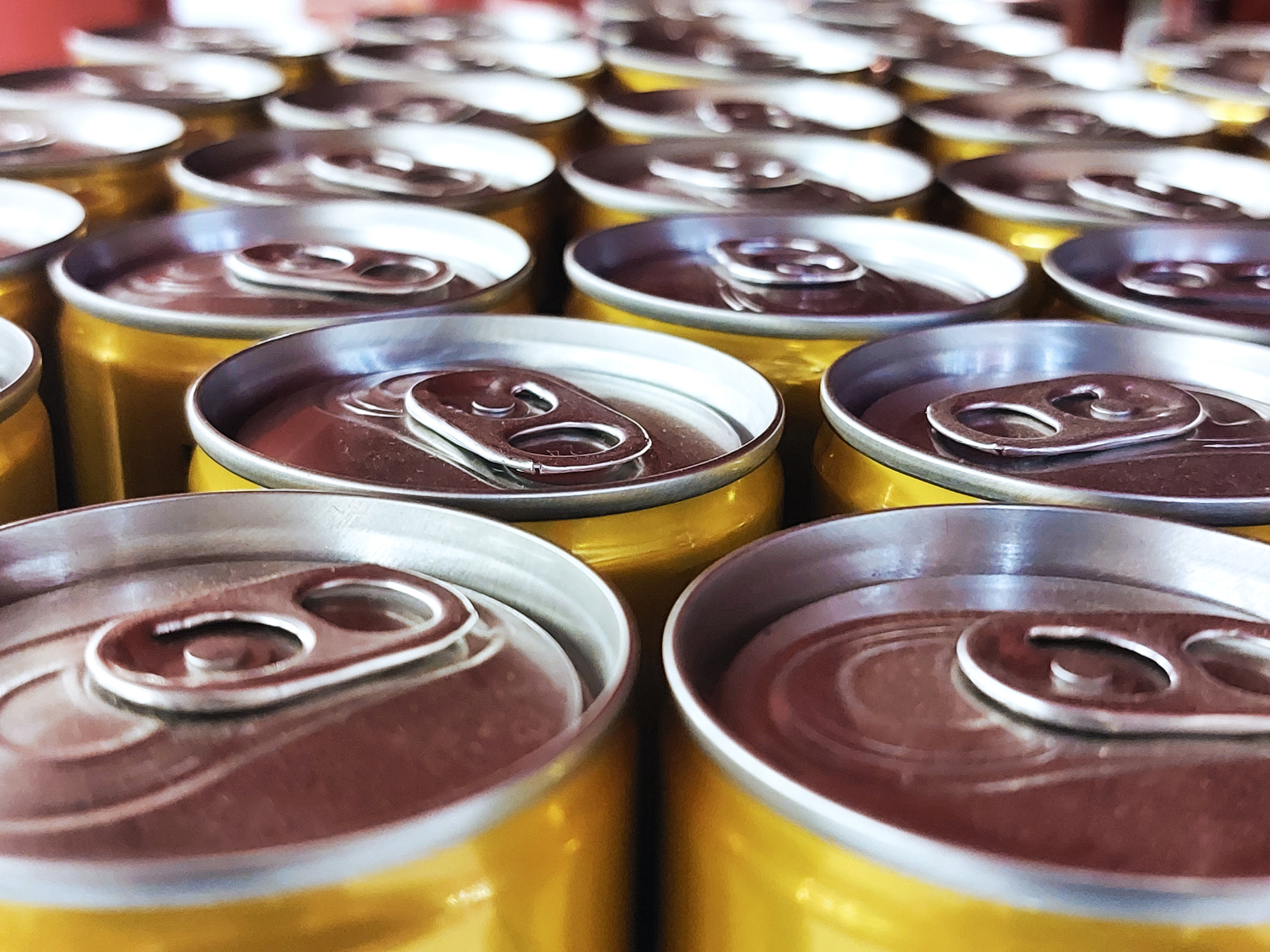
The U.S. THC beverage market is a fast-growing but fragmented adult beverage category. NIQ reported $239 million in measured sales during its latest 52-week period, up 135% year over year, with 50% of U.S. adults expressing interest in trying cannabis-infused beverages. Growth is concentrating in low-to-mid dose products and familiar liquor and convenience channels, even as state rules and the scheduled November 2026 federal hemp change create substantial planning risk.
Market snapshot
These figures have different scopes and dates. Together, they show retail momentum, broad curiosity, changing alcohol behavior, and durable demand for adult beverage alternatives.
NIQ’s latest 52-week measured retail total, published April 20, 2026.
Source: NIQ →NIQ’s measured THC beverage growth rate for the same latest-52-week period.
Source: NIQ →Share of U.S. adults NIQ reports are interested in cannabis-infused beverages.
Source: NIQ →Gallup’s July 2025 reading, the lowest in its nearly 90-year trend.
Source: Gallup →Start here
A growing category can still punish a vague product, weak channel plan, oversized first run, or brand that depends on one temporary regulatory pathway.
Market forces
The category is not being built by one trend. It is forming where moderation, cannabis normalization, ready-to-drink convenience, dose control, flavor, and retail discovery overlap. The THC Beverage Trends guide translates these signals into product and channel decisions.
Gallup found only 54% of U.S. adults reported drinking alcohol in July 2025, while 53% said moderate drinking is bad for health. IWSR reports no-alcohol consumption is becoming a year-round behavior rather than a short sober-month event. Review THC vs. Alcohol for the practical differences in dose, onset, impairment, and positioning.
Seltzers, sodas, teas, coffees, lemonades, and mocktails give consumers a familiar ritual, package, and pace of consumption. The product can be new without requiring a completely new behavior.
NIQ identifies low-to-mid dose products as a leading growth area. Clear 2.5mg and 5mg positioning can make trial easier, while higher doses need a more specific customer and occasion.
NIQ identifies liquor and convenience as leading adoption channels. These stores already sell cold, portable, occasion-driven adult beverages, but access remains highly dependent on state and local rules.
Social seltzers are visible, but coffee, tea, mocktails, sodas, real-fruit drinks, functional products, and still beverages give brands different occasions and competitive positions.
Mushroom, adaptogenic, nootropic, hydration, coffee, tea, and other non-THC products can preserve retailer relationships and customer rituals when cannabinoid access changes.
THC beverage distribution does not operate as one national system. The strongest channel depends on state law, local licensing, cannabinoid source, dose, package, age controls, retailer policy, and whether the product uses a hemp or licensed-cannabis pathway.
| Channel | Why it matters | What the brand must solve |
|---|---|---|
| Liquor | Familiar adult-beverage shopping, staff recommendations, cold single cans, multipacks, and alcohol-alternative discovery. | State authorization, retailer comfort, age controls, distributor access, margin, and product education. |
| Convenience | High trip frequency, immediate consumption, cold-vault visibility, impulse trial, and strong single-serve behavior. | Clear packaging, fast comprehension, price point, case velocity, local legality, and reliable replenishment. |
| Food and grocery | Broader household reach and a familiar place for functional, no-alcohol, and ready-to-drink discovery. | Category placement, retailer standards, claims discipline, barcodes, documentation, and consistent supply. |
| On-premise and hospitality | Restaurants, bars, events, hotels, and venues can create trial through menus, recommendations, and social occasions where permitted. | Service rules, dosing communication, staff training, insurance, local authorization, and a practical account format. |
| Specialty and direct | Hemp stores, dispensaries, brand websites, subscriptions, and events can support education and early customer acquisition. | Shipping rules, state exclusions, age verification, acquisition cost, repeat purchase, and channel durability. |
NIQ’s July 2026 beverage-alcohol path-to-purchase research also reinforces a broader commercial principle: retail, online, and on-premise discovery are connected. A consumer may first encounter a product at an event or venue, research it online, and later buy it at retail. THC beverage brands should plan one coherent product story across those touchpoints where the product can legally operate.
The winning lane is usually not “a THC drink.” It is a specific beverage for a specific adult occasion, sold in a channel where that promise makes sense.
Light, refreshing formats can fit social occasions, gradual sipping, and alcohol-alternative positioning when dose, onset expectations, and package design are clear.
More flavor-forward formats can create nostalgia, cocktail cues, refreshment, and better flavor coverage for more complex cannabinoid systems.
Cold brew and nitro coffee connect THC to an existing premium ritual and can create a more ownable position than another broadly defined seltzer.
Mushroom, adaptogenic, nootropic, hydration, and other functional beverages can extend the brand beyond one cannabinoid rule set.
NIQ reports that low-to-mid dose products are leading measured adoption. That does not mean one milligram amount fits every state, customer, or occasion.
Review Low-Dose THC Drinks for a deeper dose and portfolio strategy.
Public Law 119-37 is currently scheduled to change the federal hemp definition on November 12, 2026. The enacted language excludes final hemp-derived cannabinoid products containing more than 0.4mg combined total THC and similar-effect cannabinoids per retail container, along with additional source and manufacturing exclusions.
Delay bills H.R. 7024 and S. 3686, and the broader Cannabinoid Safety and Regulation Act, S. 3474, had been introduced but had not advanced beyond committee referral in the official Congress.gov records reviewed for this August 3, 2026 update. A legislative fix remains possible, but it should not be treated as completed.
Practical response: build scenarios. Consider a current-market THC line, licensed-state channels, an ultra-low contingency product, and a non-THC functional line. Follow the Section 781 Tracker for material federal developments.
Depending on the product and program, a possible prototype path may begin around 360 cans. A common first production scope is around 1,200 cans per SKU, with multi-pallet and enterprise programs available as validated demand grows.
Current market guides
These live resources connect market demand to the product, manufacturing, state, and portfolio choices a founder must make.
Sources and freshness
Updated August 4, 2026. Market measurement coverage varies, and legislative status can change after publication.
Share the beverage format, target customer, dose, flavor direction, target states, channels, packaging status, first-run volume, and timeline. We can also help you evaluate an ultra-low contingency product or a parallel mushroom, adaptogenic, coffee, tea, or other functional beverage line.