THC Beverage Opportunities for Wineries, Distilleries and Alcohol Brands
Wineries, distilleries, and alcohol brands already understand adult beverage branding, flavor, occasion, premium packaging, and regulated retail environments.
Low-dose THC beverages may create a way to explore alcohol alternatives, non-alcoholic adult drinks, and new social beverage formats without abandoning the brand’s beverage expertise.
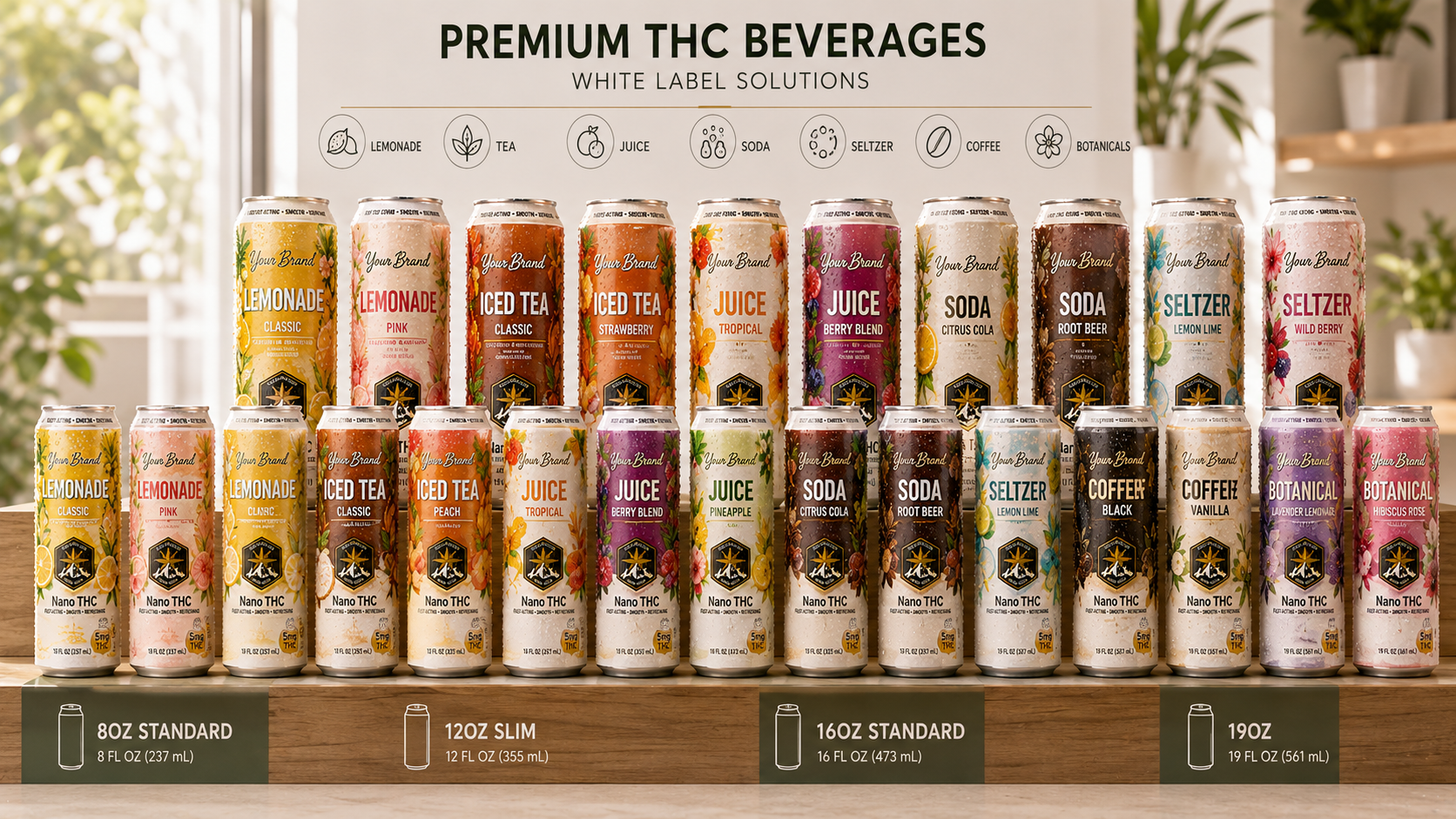
THC beverages for wineries, distilleries, and alcohol brands can make sense as an adult-use portfolio extension when the product is clearly separated, responsibly labeled, and built around the right state and channel strategy. The strongest concepts often look like low-dose seltzers, mocktails, spritzers, teas, lemonades, sodas, or real-fruit beverages designed for adult social occasions.
Adult beverage operators
Alcohol brands already understand occasion, packaging, hospitality, retail buyers, and adult customer expectations.
Mocktails and spritzers
THC mocktails, seltzers, spritzers, real-fruit drinks, teas, and lemonades can translate adult beverage cues into non-alcoholic THC formats.
Separate brand architecture
Many operators should consider whether the THC product belongs under the existing brand, a sub-brand, or a separate adult-use label.
Why alcohol brands are exploring THC beverages
Alcohol brands are already built around adult beverage occasions. They understand flavor, ritual, packaging, hospitality, distribution, retail buyers, and the social meaning of a drink. That makes THC beverages a logical category to evaluate as consumer behavior evolves.
The opportunity is not to replace the core business overnight. It is to explore whether a low-dose, non-alcoholic adult-use beverage could fit the brand's customers, retail relationships, and future product portfolio.
Product formats that fit adult beverage brands
THC mocktails, seltzers, spritzers, real-fruit beverages, teas, sodas, and lemonades can all fit alcohol-adjacent businesses. The product should feel adult, clear, premium, and easy to understand.
A winery may think in terms of seasonal sipping, culinary pairing, and hospitality. A distillery may think in terms of mocktail-inspired flavor. A broader alcohol brand may think in terms of low-dose social refreshment or non-alcoholic adult beverage occasions.
Practical planning note: The goal is not to make a THC product look like alcohol. The goal is to use adult beverage expertise to create a responsible, clearly labeled, non-alcoholic THC drink.
Brand architecture and channel strategy
An alcohol brand should decide early whether the THC beverage belongs under the main brand, a sub-brand, or a separate product line. That decision can affect label tone, retailer conversations, customer expectations, and future flexibility.
Channel strategy matters too. The pathway may look different for a tasting room, retail store, distributor, event program, or e-commerce-adjacent inquiry strategy. State rules and alcohol-channel restrictions should be reviewed carefully.
Compliance, labeling, and responsible positioning
THC beverages should be built with adult-use labeling, clear THC disclosure, COAs, age-gating expectations, and state-by-state planning. This is not legal advice, but responsible documentation can make the product easier for partners to evaluate.
Because alcohol brands already operate in a regulated environment, they may be especially well positioned to understand why documentation, label review, and channel discipline matter.
What to prepare before requesting a quote
Useful details include current business type, target state, whether the product will use the existing brand or a new brand, beverage format, dose, flavor direction, number of SKUs, can size, anticipated sales channel, and whether the project should be white-label, private-label, or custom.
Related paths
Explore connected resources for product planning, manufacturing, compliance, pricing, and the next step toward a quote.
Frequently asked questions
Ready to explore a THC beverage opportunity?
Share the business type, target customer, beverage format, dose direction, flavor ideas, target states, and first-run goals. We can help you think through the next practical step.