


Start with the occasion
The easiest way to compare THC iced tea and THC coffee is to ask when your customer is most likely to drink it.
Coffee already has a strong built-in routine. People think about coffee in the morning, as a cold brew, as an afternoon pick-me-up, or as a premium café-style product. That can be powerful if your brand wants to own a coffee-first lane.
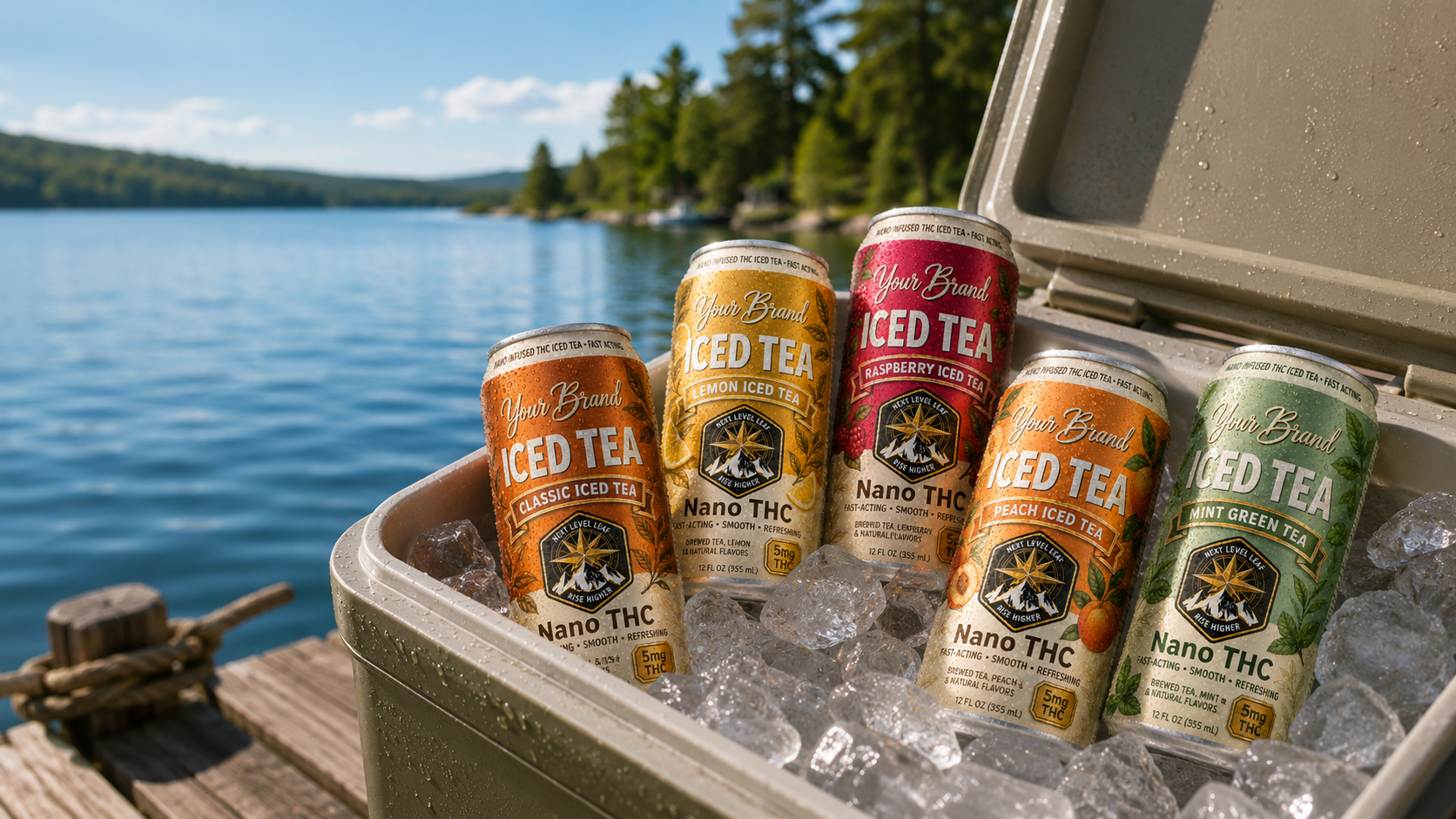
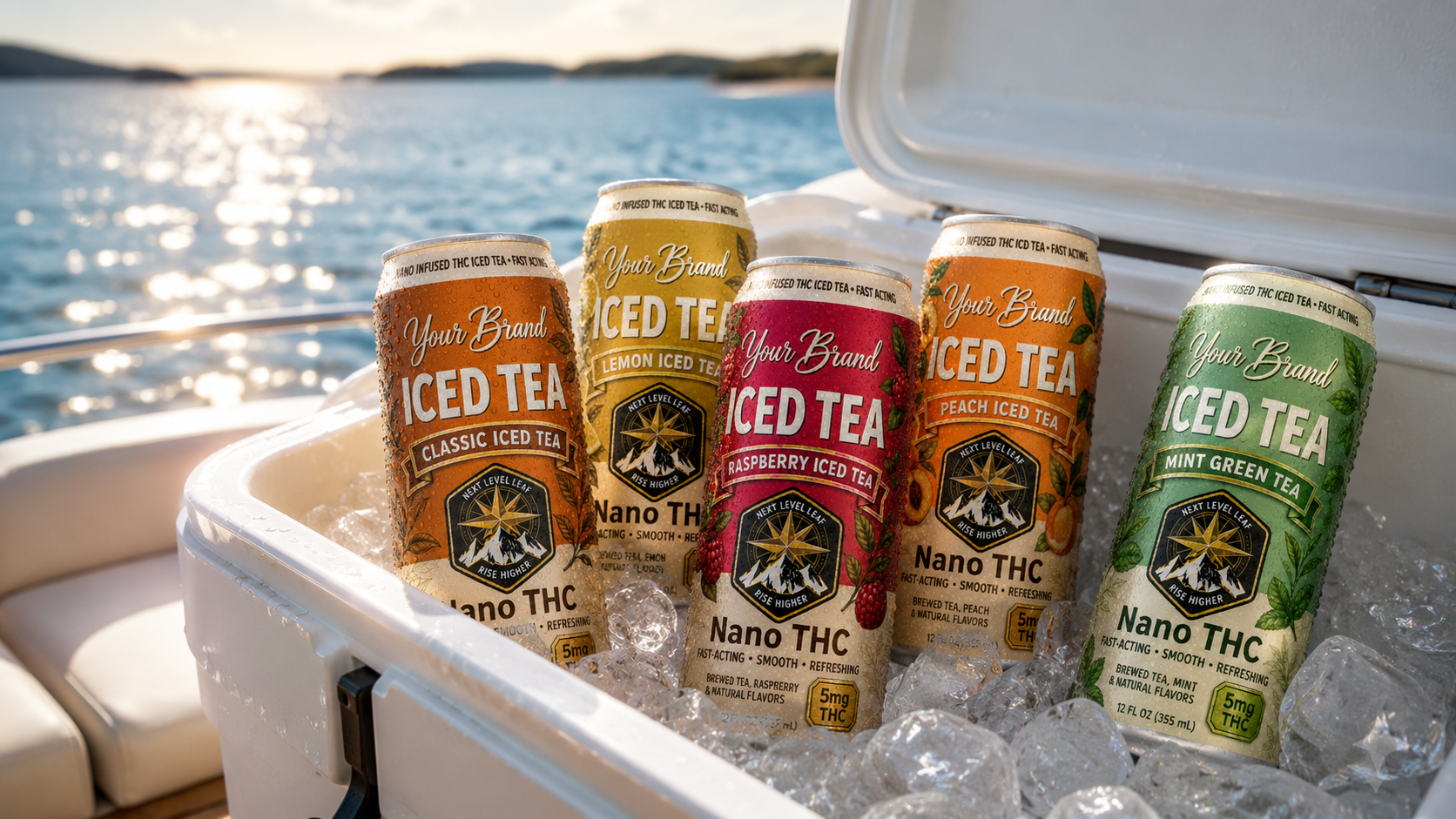
Tea is more flexible. It can fit lunch, afternoon, outdoor events, pool days, boating, warm weather, food pairings, and alcohol-alternative occasions. It can also be caffeinated, lightly caffeinated, or caffeine-free depending on the tea base.
If your product is about coffee culture, caffeine, and premium cold brew, THC coffee may be stronger. If your product is about refreshment, easy sampling, warm weather, and broader drinking occasions, THC iced tea may be the better starting point.
THC iced tea vs THC coffee at a glance
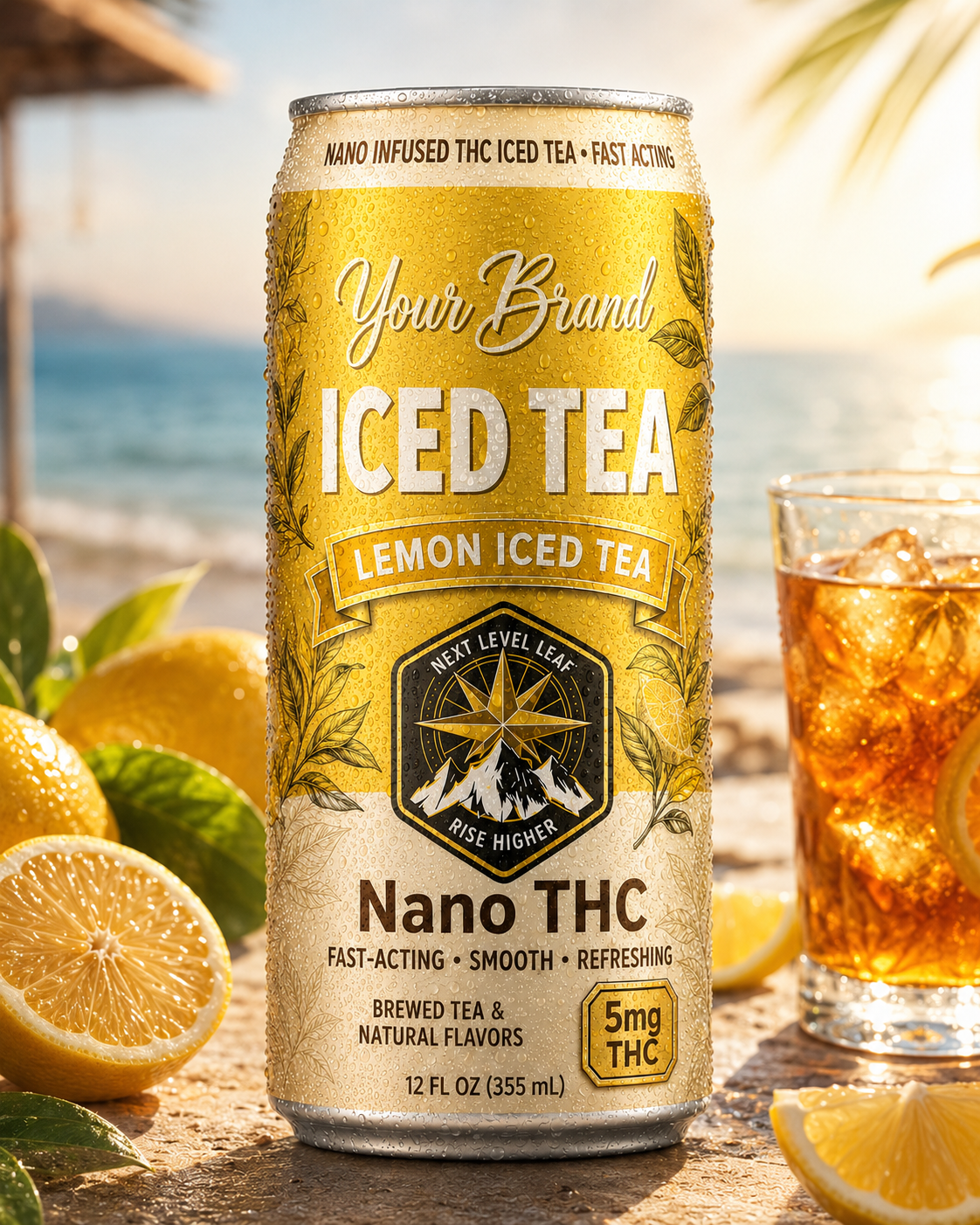 THC Iced Tea
Best for refreshment and flexibility
THC iced tea can feel familiar, refreshing, and easy to drink across more occasions.
- Outdoor and warm-weather appeal
- Broader afternoon use occasion
- Can be sweet, light, fruity, herbal, or tea-lemonade
- Easier to position as an alcohol alternative
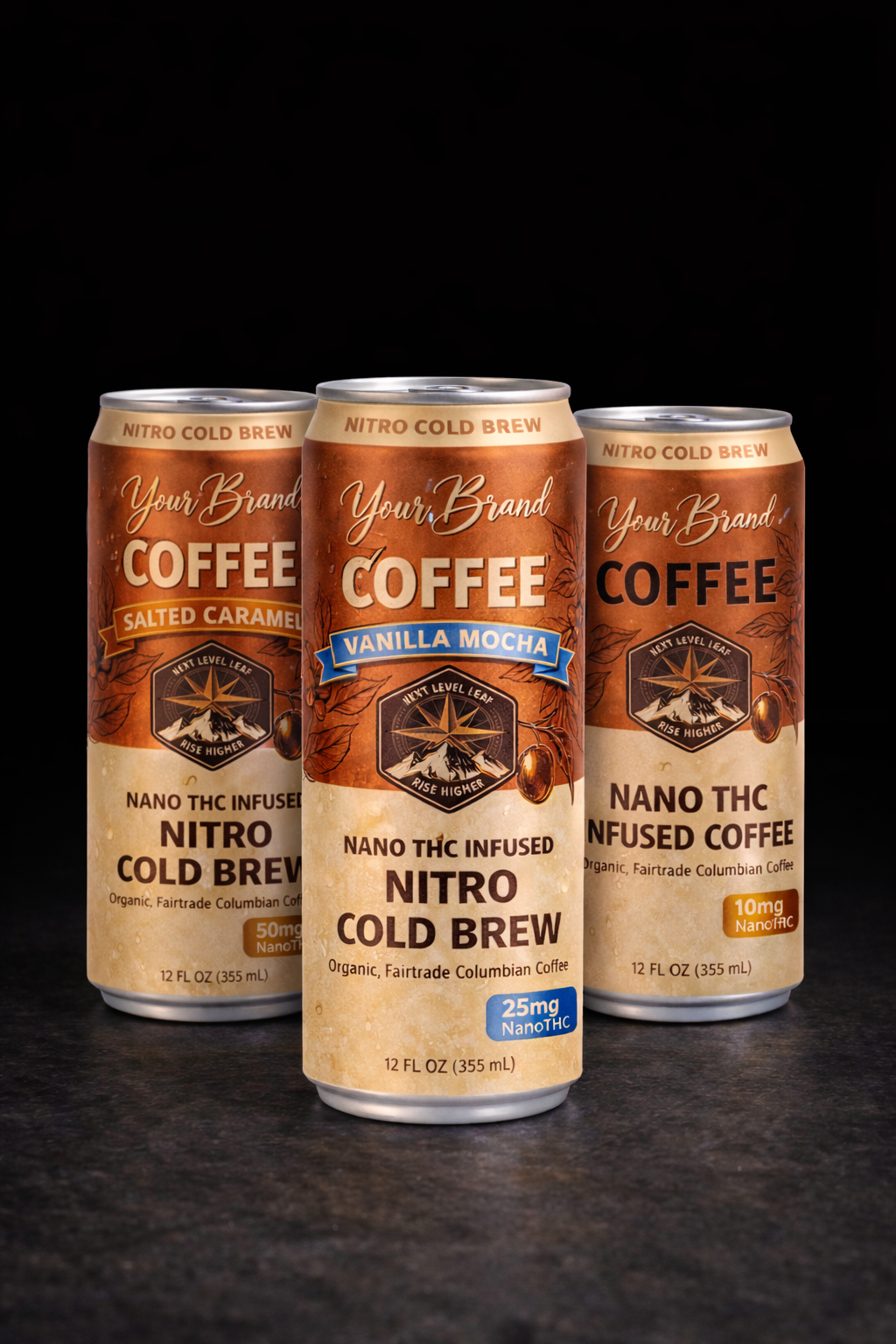 THC Coffee
Best for coffee-first positioning
THC coffee can feel premium, specific, and differentiated when the brand wants to build around coffee quality.
- Cold brew and nitro positioning
- Strong caffeine story
- Premium coffee culture
- Morning or afternoon routine fit
Caffeine changes the product story
Caffeine is one of the biggest differences between tea and coffee. Coffee usually brings a more obvious caffeine association. That can be a benefit if your customer wants an infused cold brew, but it can also narrow the occasion.
Tea gives you more flexibility. A black tea or green tea can include caffeine, while herbal tea can be caffeine-free. This lets a brand choose whether the product should feel energizing, refreshing, relaxing, or more neutral.
If the customer wants a THC beverage they can drink later in the day, tea may be easier to position than coffee.
Flavor expectations are different
THC coffee is judged like coffee. The customer expects coffee body, roast character, cold brew quality, creaminess if applicable, and a finished coffee profile.
THC iced tea is judged like a refreshing tea beverage. The customer expects tea flavor, sweetness balance, acidity, fruit or citrus clarity, and a clean finish.
This matters for formulation. Coffee can support mocha, vanilla, caramel, black cold brew, and nitro formats. Tea can support classic, lemon, peach, raspberry, mint green tea, strawberry lemonade, herbal, and tea-lemonade formats.
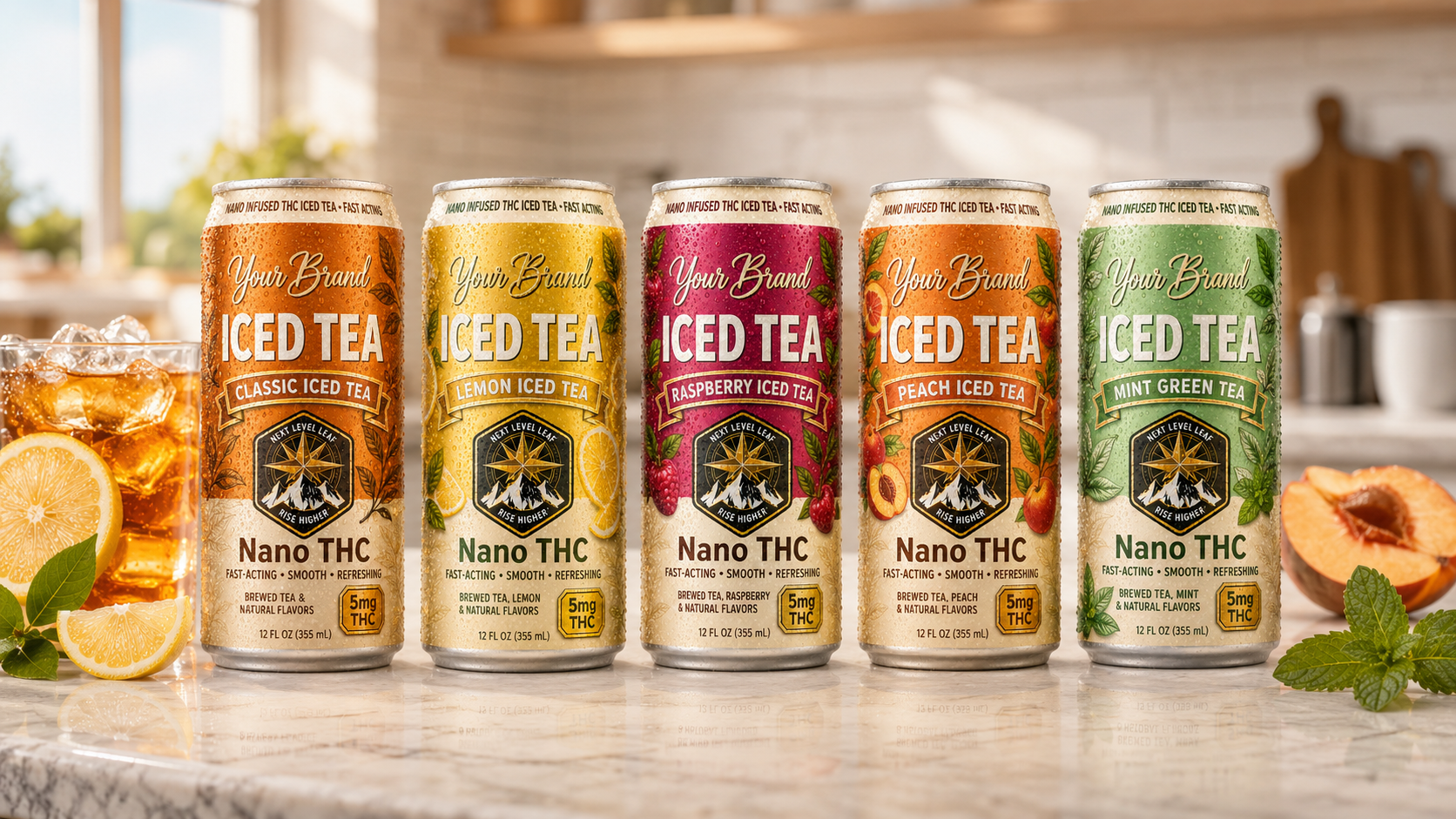
THC iced tea may be easier to sample
Sampling matters because many customers are still learning how infused beverages fit into their lives. A familiar tea flavor can reduce friction.
Classic iced tea, lemon tea, peach tea, and tea lemonade give the customer a flavor they already know. That can make it easier for a retailer, event team, or brand founder to explain the product quickly.
Coffee can also sample well, but the coffee quality has to be excellent. A coffee customer is more likely to notice if the coffee base, sweetness, roast profile, or mouthfeel feels off.
THC coffee may feel more premium
Coffee can be a very premium category. Nitro cold brew, black cold brew, vanilla mocha, salted caramel, and specialty coffee positioning can all create a stronger premium feel than a generic beverage concept.
That can help with pricing and differentiation. But it also means the product has to live up to the coffee promise. If the coffee quality is weak, the premium story breaks down.
For brands that already have a coffee audience, café identity, cold brew positioning, or premium lifestyle angle, THC coffee may be a stronger fit.
THC iced tea may be more versatile for retail
Tea can work in more places. It can sit near hemp beverages, functional drinks, sodas, lemonades, alcohol alternatives, and ready-to-drink teas.
That flexibility can help if you are self-distributing or selling into different account types. It may be easier to explain a THC iced tea lemonade than a more niche coffee concept in certain retail environments.
However, if the retail account already understands premium cold brew or functional coffee, THC coffee can be a strong conversation starter.
Choose THC iced tea when...
You want a refreshing product with broad occasion flexibility, warm-weather appeal, familiar flavors, and lower friction for sampling.
Choose THC coffee when...
You want a premium coffee-first product built around caffeine, cold brew, nitro, coffee quality, and a more specific routine.
Build both when...
You have a beverage platform strategy and want separate products for different occasions, customers, and retail conversations.
Dose strategy should match the format
Low-dose THC iced tea may feel approachable, refreshing, and repeatable. A stronger THC tea may become more niche and cannabis-forward.
THC coffee has the added consideration of caffeine. A strong THC dose plus caffeine may be a different experience than the same dose in tea. The product should be designed around the customer and use occasion, not just around the highest dose possible.
For many brands, an approachable dose can make the first product easier to sample, explain, and sell.
The better first question is not “tea or coffee?” It is “what occasion do we want to own, and which format gives our customer the clearest reason to buy?”
Manufacturing and quote planning
Both formats require clear manufacturing inputs before a quote can be useful. The more specific you are, the better the conversation.
- Target product: THC iced tea, tea lemonade, herbal tea, cold brew, nitro coffee, or flavored coffee
- Target dose per can
- Caffeine preference
- Flavor direction
- Sweetness level
- Still or carbonated format
- Packaging status
- Target states and sales channels
- Estimated launch volume
- White-label, private-label, or custom R&D path
The simplest recommendation
If your brand wants a refreshing, approachable, flexible beverage with familiar flavors, start with THC iced tea. If your brand wants to own a premium caffeine-forward lane with cold brew, nitro, or specialty coffee positioning, start with THC coffee.
If you are unsure, start with the customer and the occasion. Once that is clear, the format choice becomes much easier.
If you are ready to compare the right launch path, complete the White Label Information Request.