

Herbal infused tea should still be beverage-first
Herbal tea gives a brand room to build around botanicals, caffeine-free positioning, evening occasions, and more functional language. That can be valuable, but it can also create a problem if the product becomes too complicated.
If the label reads like a supplement panel, the customer may not immediately know what they are buying. The product should still feel like a delicious ready-to-drink tea first.
Botanicals, cannabinoids, and functional positioning should support the product experience, not replace it.
The best herbal infused tea concept is simple enough to explain in one sentence: “a caffeine-free mint THC tea,” “a hibiscus berry THC tea,” “a peach botanical tea with low-dose THC,” or “a sparkling herbal tea for an evening alcohol alternative.”
When herbal infused tea makes sense
Herbal infused tea is not always the right first product. It works best when the brand has a clear reason to avoid a traditional tea, coffee, soda, or seltzer format.
 Botanical
Botanical flavor story
Best when the brand wants a tea product that feels lighter, cleaner, and more botanical than classic sweet tea.
 Caffeine-Free
No caffeine positioning
Best when the brand wants an afternoon or evening beverage without the caffeine association of coffee or black tea.
 Flavor
Fruit and floral balance
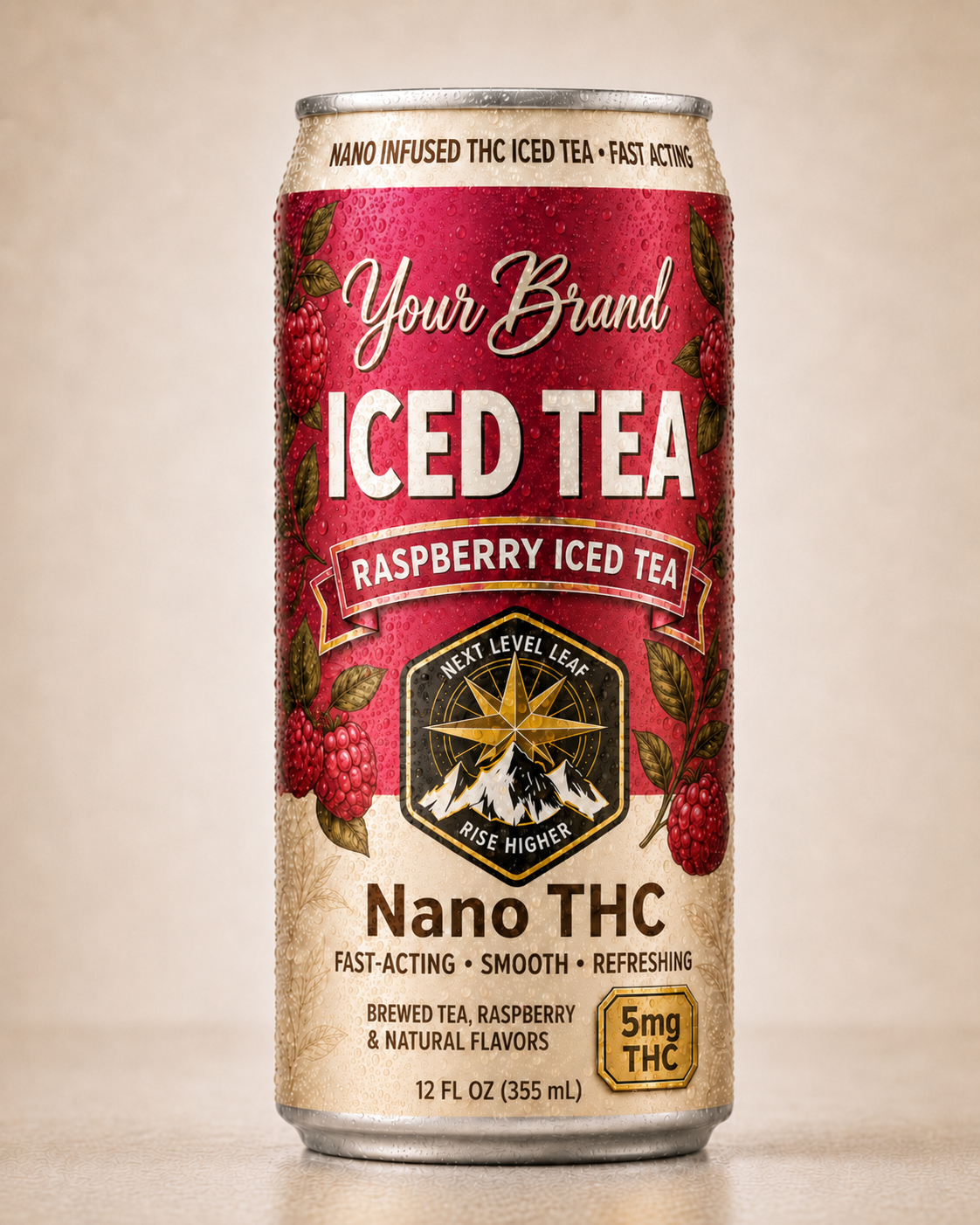
Best when the formula uses berry, hibiscus, citrus, mint, peach, or floral notes to create a more distinctive beverage.
Strong herbal infused tea directions
These are product directions that can make sense for a THC tea brand, depending on the customer and the sales channel.
Mint herbal tea
Clean, refreshing, and easy to understand. Good for brands that want a crisp botanical direction.
Hibiscus berry tea
Colorful, tart, and fruit-forward. Strong for brands that want bolder visual and flavor appeal.
Lemon ginger-style tea
Bright and aromatic. Works when the brand wants citrus, spice, and botanical flavor complexity.
Peach botanical tea
Approachable and softer. Useful when the brand wants a fruit-forward herbal tea that still feels familiar.
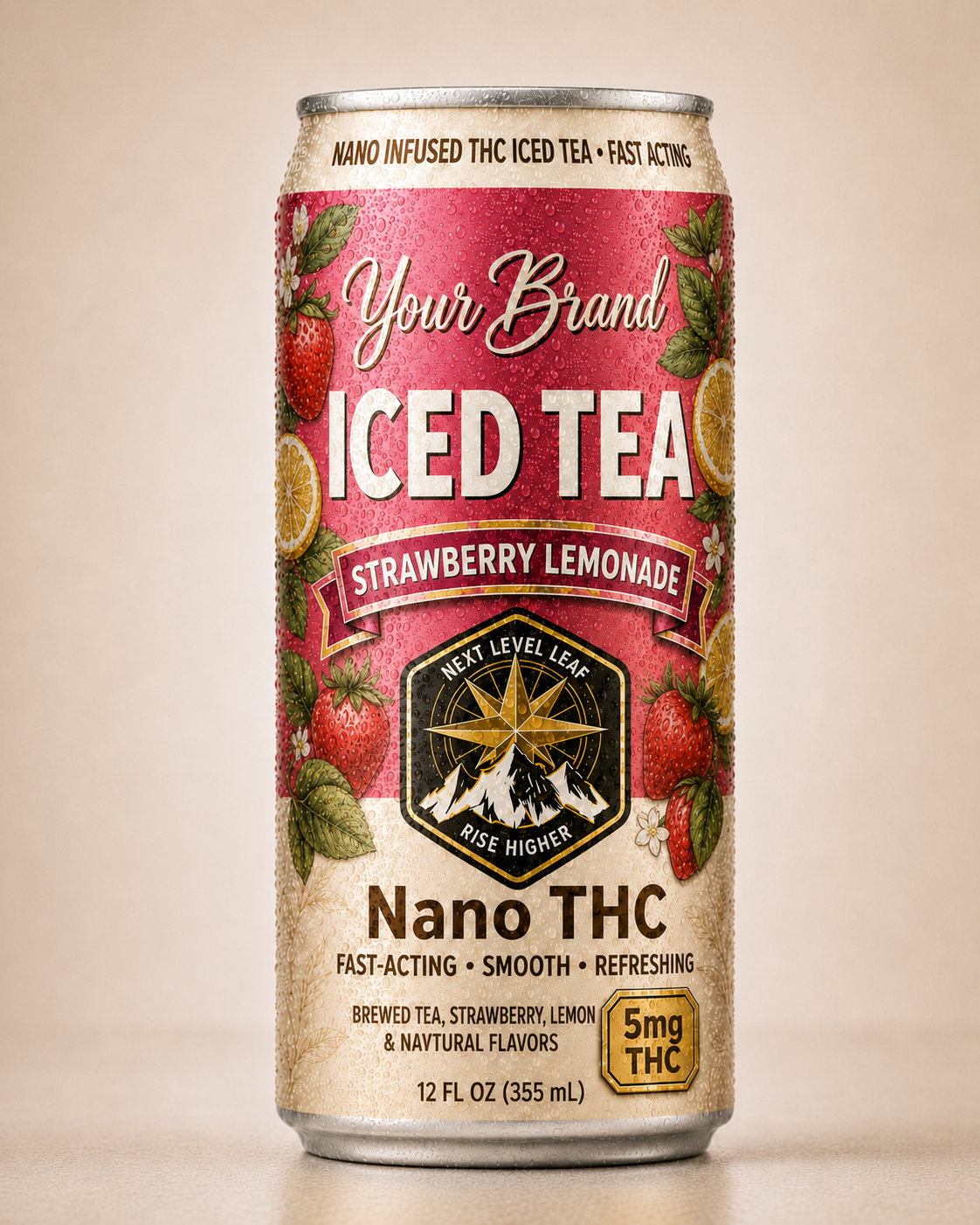
Strawberry lemonade tea
Familiar and bright. A good bridge between classic iced tea lemonade and more botanical concepts.
Chamomile-style evening tea
Best for a caffeine-free evening occasion, but it needs careful positioning so it remains a beverage, not a claim-heavy product.
Caffeine-free can be a real advantage
Caffeine-free positioning is one of the clearest reasons to choose herbal infused tea. Coffee is naturally tied to caffeine. Black tea and green tea usually bring a lighter caffeine story. Herbal tea can avoid that completely.
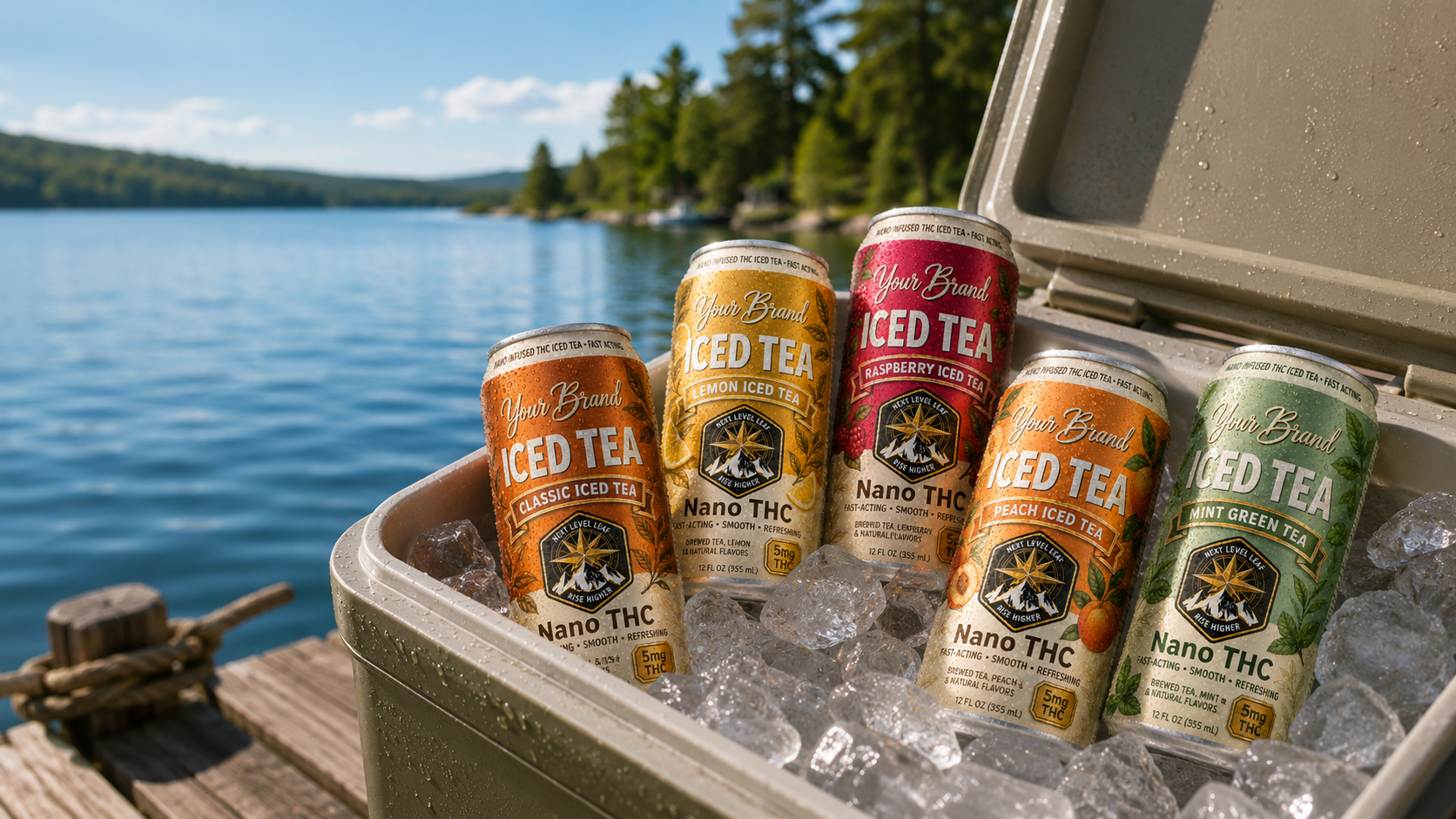
That can make the product easier to position for afternoon, evening, outdoor, social, or alcohol-alternative occasions.
The key is to keep the product clear. “Caffeine-free THC herbal tea” is easier to understand than a crowded formula with too many botanicals and claims.
Be careful with functional claims
Herbal tea can naturally suggest calm, refreshment, relaxation, wellness, or botanical benefits. But brands need to be careful about how they communicate the product.
Instead of leaning on aggressive claims, the better strategy is to describe the flavor, occasion, caffeine-free nature, cannabinoid dose, and responsible-use positioning clearly.
A brand can still feel premium and functional without making the product look like a supplement or medical product.
For a commercial beverage launch, simple and credible usually beats complex and claim-heavy.
Dose strategy matters even more with herbal tea
Because herbal infused tea may be positioned around evening or relaxation occasions, the THC dose should be chosen carefully.
A lower-dose THC herbal tea may feel approachable and easy to sample. A stronger product may appeal to experienced THC consumers, but it can narrow the target customer and change the sales channel.
If the goal is broad retail adoption, the dose should support repeat purchase and customer comfort, not just intensity.
Still or sparkling herbal tea?
Still herbal tea can feel calming, traditional, and more tea-like. Sparkling herbal tea can feel modern, lighter, and more alcohol-alternative.
The right choice depends on the occasion. If the brand wants a calming tea experience, still may be the better starting point. If the brand wants a social can-in-hand experience, sparkling may be more useful.
Still herbal infused tea
Best for a more traditional tea feel, caffeine-free positioning, and slower evening-style beverage occasions.
Sparkling herbal infused tea
Best for a lighter, more modern alcohol-alternative feel with better social and warm-weather positioning.
Flavor masking is part of the strategy
Herbal flavors can be delicate, aromatic, tart, or bitter. Cannabinoid inputs can add additional flavor challenges. The finished beverage needs to be balanced so the tea tastes intentional.
Mint, berry, hibiscus, citrus, peach, and lemonade-style flavors can help create a more complete beverage profile. Sweetness and acidity also need to be balanced carefully.
The goal is not to hide everything. The goal is to create a finished drink that tastes like a real herbal tea product.
What to prepare before requesting a quote
You do not need a finished formula before reaching out, but it helps to know the basic product direction.
- Botanical direction: mint, hibiscus, berry, citrus, peach, chamomile-style, or another herbal profile
- Caffeine preference: caffeine-free or lightly caffeinated
- Target THC or cannabinoid dose
- Still or sparkling format
- Sweetness and acidity target
- Packaging or label status
- Target states or sales channels
- Expected launch quantity
- White-label, private-label, or custom R&D path
The simplest recommendation
If you want to launch herbal infused tea, start with one clear botanical direction. Mint, hibiscus berry, peach botanical, or strawberry lemonade herbal tea are easier to explain than a formula with too many ingredients.
Once the first product proves demand, you can expand into more custom botanicals, THC+CBD ratios, sparkling herbal tea, or a full caffeine-free tea lineup.
If you are ready to scope the product, complete the White Label Information Request.