
THC Seltzer MOQ
MOQ is one of the first practical questions for a THC seltzer launch because it affects cost, risk, flavor count, storage, sell-through, and how quickly the market can be tested.
Use this guide to think through first-run size, SKU planning, and the information needed to scope a production quote.
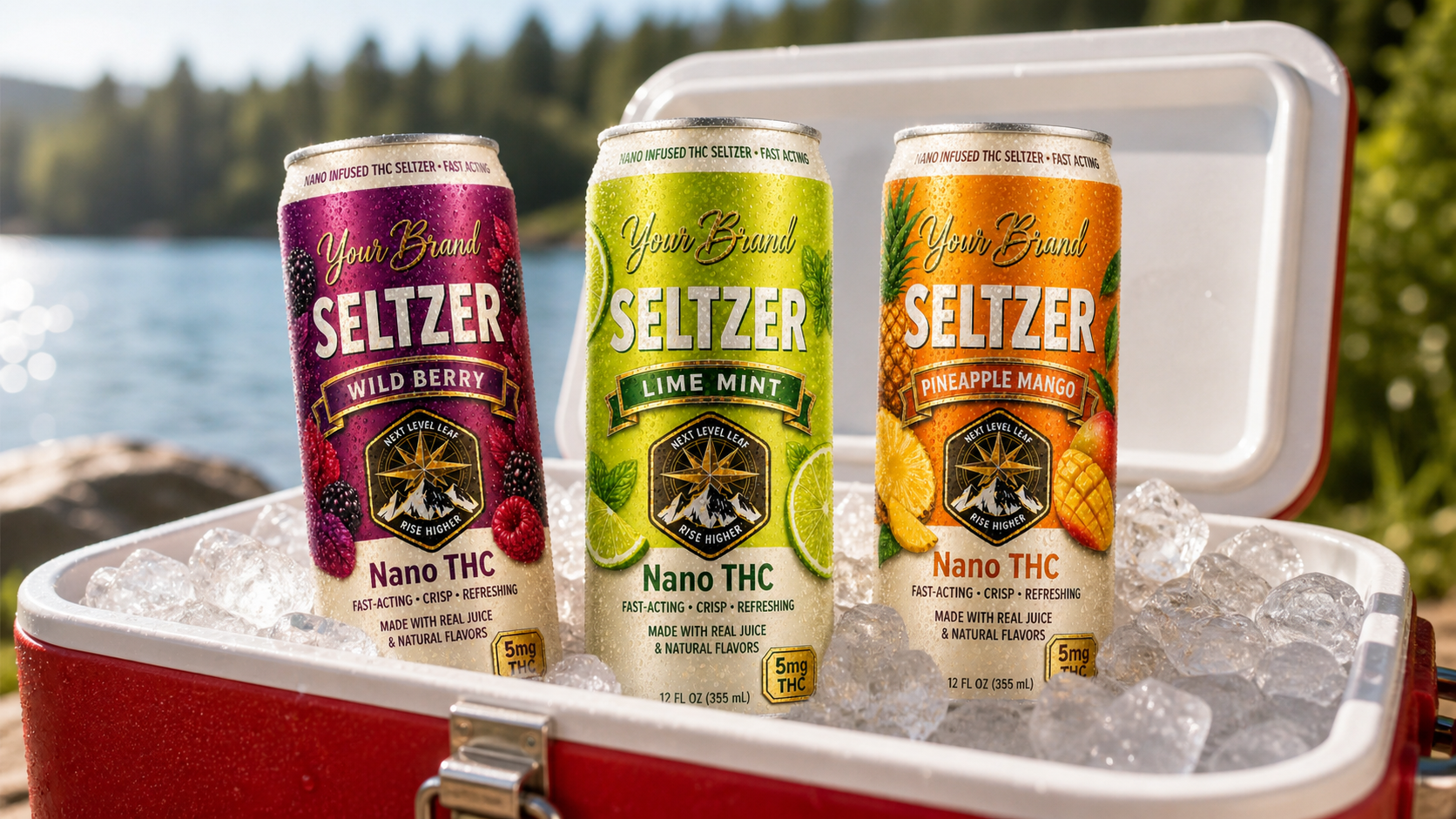
THC seltzer MOQ is the minimum production run required to manufacture a first batch of cans. The right MOQ depends on the production path, can size, number of flavors, dose, packaging, label status, ingredient complexity, and how the product will be sold after production.
Avoid overbuilding
The first MOQ should match a real sales plan, not just a product idea.
Start focused
Too many flavors can make first-run inventory harder to manage.
Prepare inputs
Dose, flavors, can size, label status, and target states shape MOQ.
Why MOQ matters for THC seltzer
MOQ is not only a manufacturing number. It shapes the launch strategy. A brand has to produce enough product to justify setup, packaging, ingredients, production scheduling, and distribution, but not so much that inventory becomes hard to move.
For first-time beverage brands, the best MOQ conversation usually starts with the selling plan. How many accounts will carry the product? How quickly can the first run move? How many flavors are truly needed?
What affects THC seltzer MOQ?
THC seltzer MOQ can be affected by production line requirements, can format, packaging method, flavor count, emulsion, label type, ingredient sourcing, and whether the product is white label, private label, or custom.
Seltzers are lighter beverages, so flavor and dose also matter. A 5mg or 10mg seltzer can often be easier to position as an approachable adult beverage than a higher-dose product, but the final production path still has to be scoped.
- Number of flavors or SKUs
- Can size and packaging type
- Target THC dose and cannabinoid stack
- Label readiness and artwork timeline
- Target states and compliance expectations
How many flavors should a first run include?
Many new brands want several flavors immediately, but too many SKUs can make a first run harder to manage. More flavors can mean more artwork, more production complexity, more inventory splits, and more pressure to sell each SKU.
A focused first launch often works better. One to three strong flavors can be easier to explain, sample, reorder, and improve.
How to prepare before asking for MOQ pricing
The fastest way to get a useful MOQ answer is to provide the details that affect production. That includes product type, dose, flavor direction, can size, number of SKUs, packaging status, label readiness, target states, and timeline.
If some details are not decided yet, that is normal. The goal is to define enough of the project so MOQ and pricing can be scoped realistically.
Frequently asked questions
Related resources
Use these pages to compare formats, production decisions, and the next step toward a quote.
Ready to scope a THC seltzer project?
Share the beverage type, target dose, flavor direction, packaging status, first-run goals, target states, and timeline. We can help you think through the next practical step.