

New Jersey THC beverage compliance & manufacturing
New Jersey has two different sets of THC beverage rules in 2026. Qualifying intoxicating hemp beverages may be sold under temporary rules through November 13. Beginning November 14, a beverage produced using hemp that contains more than 0.4mg total THC per container is treated as cannabis.
For founders, beverage brands, retailers, and dispensaries, the key question is simple: will the product be produced and sold during the temporary 2026 period, or is it intended to remain on the New Jersey market after November 13?
New Jersey currently permits qualifying products that it calls intoxicating hemp beverages through November 13, 2026 when they are sold by certain licensed businesses. Starting May 31, qualifying beverages are limited to 5mg total THC per serving and 10mg total THC per container and must meet the state’s testing requirements.
The long-term rule changes on November 14, 2026. Beginning that date, a beverage produced using hemp that exceeds 0.4mg total THC per container is considered cannabis, must be produced by a licensed Class 2 Cannabis Manufacturer, and can only be sold by licensed Class 5 Cannabis Retailers.
The production date also matters. For these temporary rules, the NJ Cannabis Regulatory Commission defines an intoxicating hemp beverage as a beverage produced using hemp before November 12, 2026.
Review updated August 30, 2026. This page is for educational and business-planning purposes only and is not legal advice. Before producing or selling a product, confirm the legal, licensing, tax, testing, packaging, and seller requirements that apply to that specific beverage.
New Jersey THC beverage rules at a glance
New Jersey uses two different sets of rules for THC beverages in 2026. Temporary rules apply to qualifying intoxicating hemp beverages through November 13. Beginning November 14, most THC beverages move into the state’s licensed cannabis system.
Through Nov. 13
Qualifying intoxicating hemp beverages may be sold by certain licensed businesses through November 13, 2026.
5mg / 10mg
Starting May 31, qualifying temporary-period beverages are capped at 5mg total THC per serving and 10mg total THC per container.
Before Nov. 12
For the temporary rules, the CRC defines an intoxicating hemp beverage as a hemp beverage produced before November 12, 2026.
>0.4mg = cannabis
Starting November 14, a hemp-produced beverage above 0.4mg total THC per container is considered cannabis.
Class 2
Beginning November 14, beverages above the 0.4mg limit must be produced by a licensed Class 2 Cannabis Manufacturer.
Class 5
Beginning November 14, those beverages can only be sold by licensed Class 5 Cannabis Retailers.
Planning takeaway: Plan the beverage around the rules that will apply when it is produced and sold. A product sold during the temporary 2026 period has different manufacturing and sales requirements from a THC beverage intended for sale beginning November 14.
New Jersey’s 2026 THC beverage timeline
What is allowed during the temporary intoxicating hemp beverage window?
The New Jersey Cannabis Regulatory Commission states that a qualifying intoxicating hemp beverage may be sold during the temporary period by businesses holding two specific New Jersey alcohol licenses — a plenary wholesale license or plenary retail distribution license — as well as by a licensed Class 5 Cannabis Retailer.
Starting May 31, 2026, the temporary beverage may not contain more than 5mg total THC per serving or more than 10mg total THC per container. The beverage must also be tested by a laboratory that follows CRC testing procedures, holds ISO 17025 accreditation (a laboratory quality standard), and is registered with the DEA.
- Age: THC-containing products intended for human consumption may not be sold or distributed to anyone under 21.
- Online sales: New Jersey prohibits online sale, offer for sale, or distribution of hemp-derived products and intoxicating hemp beverages.
- Vending: Intoxicating hemp beverages may not be sold through vending machines.
- Synthetic cannabinoids: The law prohibits cannabinoids that are not naturally produced by the plant and cannabinoids synthesized using a chemical process.
What changes on November 14, 2026?
Beginning November 14, the temporary intoxicating hemp beverage rules no longer apply to a typical THC beverage. New Jersey states that any beverage produced using hemp that exceeds 0.4mg total THC per container is considered cannabis.
That classification changes both the manufacturing and retail requirements. The beverage must be produced by a licensed Class 2 Cannabis Manufacturer and can only be sold by a licensed Class 5 Cannabis Retailer.
If you are developing a typical 2.5mg, 5mg, or 10mg THC beverage that you want to keep selling in New Jersey after November 13, the Class 2 manufacturing and Class 5 retail requirements are the rules that matter most. Those dose levels are well above the 0.4mg-per-container limit.
What do Class 2 manufacturing and Class 5 retail mean?
Cannabis Manufacturer
New Jersey describes the Class 2 license as the license used to produce recreational-use cannabis products. Beginning November 14, a THC beverage above 0.4mg total THC per container must be made by a business holding this license.
Cannabis Retailer
New Jersey describes the Class 5 license as the retail license used to purchase cannabis products from licensed cannabis businesses and sell those items to consumers in a retail store.
This is especially important for founders coming from the general beverage, hemp, alcohol, convenience, or ecommerce markets. Beginning November 14, a qualifying THC beverage is no longer handled like a conventional hemp beverage with an extra state restriction; it is regulated through New Jersey’s licensed cannabis system.
Can an out-of-state manufacturer make a THC beverage for New Jersey?
During the temporary intoxicating hemp beverage period, current CRC guidance does not state that every qualifying beverage must be produced by a New Jersey Class 2 Cannabis Manufacturer. Instead, the product must meet the temporary rules for product type, production date, seller eligibility, THC content, testing, age restrictions, and other applicable requirements.
That changes beginning November 14. A beverage produced using hemp that contains more than 0.4mg total THC per container must be produced by a licensed Class 2 Cannabis Manufacturer. If you want the product to remain on the New Jersey market after November 13, plan for that manufacturing requirement from the beginning.
Testing, certificates of analysis (COAs), packaging, and labeling
During the temporary beverage window, New Jersey specifically requires qualifying testing to verify compliance with the applicable THC limits. For products sold through a Class 5 Cannabis Retailer, the CRC also requires products to comply with Commission testing, packaging, and labeling rules.
Verify the finished product
Test the finished beverage according to the rules that apply when the product is produced and sold.
Keep batch records organized
Maintain product specifications, laboratory documentation, batch identification, and other records needed by the applicable licensed businesses and regulators.
Confirm the packaging rules
Do not assume the temporary hemp-beverage packaging rules are the same as the cannabis packaging rules that apply beginning November 14. Confirm the requirements for the specific product and seller.
New Jersey intoxicating hemp beverage tax
New Jersey’s Division of Taxation imposes a $3.75-per-gallon excise tax on wholesale sales of intoxicating hemp beverages within New Jersey and on deliveries of intoxicating hemp beverages to New Jersey locations. The Division states that this temporary excise-tax period runs from April 13 through November 13, 2026.
Retailers and wholesalers should review the state’s current filing instructions and confirm which tax returns apply to their own license type and transactions.
How can THC beverages be sold in New Jersey?
During the temporary period, New Jersey limits qualifying intoxicating hemp beverage sales to certain licensed businesses rather than allowing sales across ordinary retail stores. Beginning November 14, beverages above 0.4mg total THC per container enter the licensed cannabis system and can only be sold by Class 5 Cannabis Retailers.
If you are planning a THC beverage for New Jersey, the first question is not simply whether the drink can be manufactured. You also need to know who is legally permitted to sell it when it reaches the market. The answer changes on November 14, 2026.
What this means for New Jersey businesses
New Jersey can still be a meaningful THC beverage market, but your launch plan has to fit the state’s licensing requirements. A product intended only for the temporary 2026 period should be planned differently from one you want to keep selling after November 13.
Choose the target launch period
Decide whether the beverage is intended for the temporary 2026 period, for sale beginning November 14, or for both.
Confirm who can sell it
Identify which type of licensed business will be allowed to sell the beverage when it reaches the market.
Build for the rules that apply
Match the dose, testing, packaging, labeling, documentation, and manufacturing plan to the requirements that will apply when the beverage is sold.
Plan the beverage
Once the sales requirements are clear, choose the beverage format, flavor, package, quantity, testing plan, and production timing.
Best beverage formats for New Jersey planning
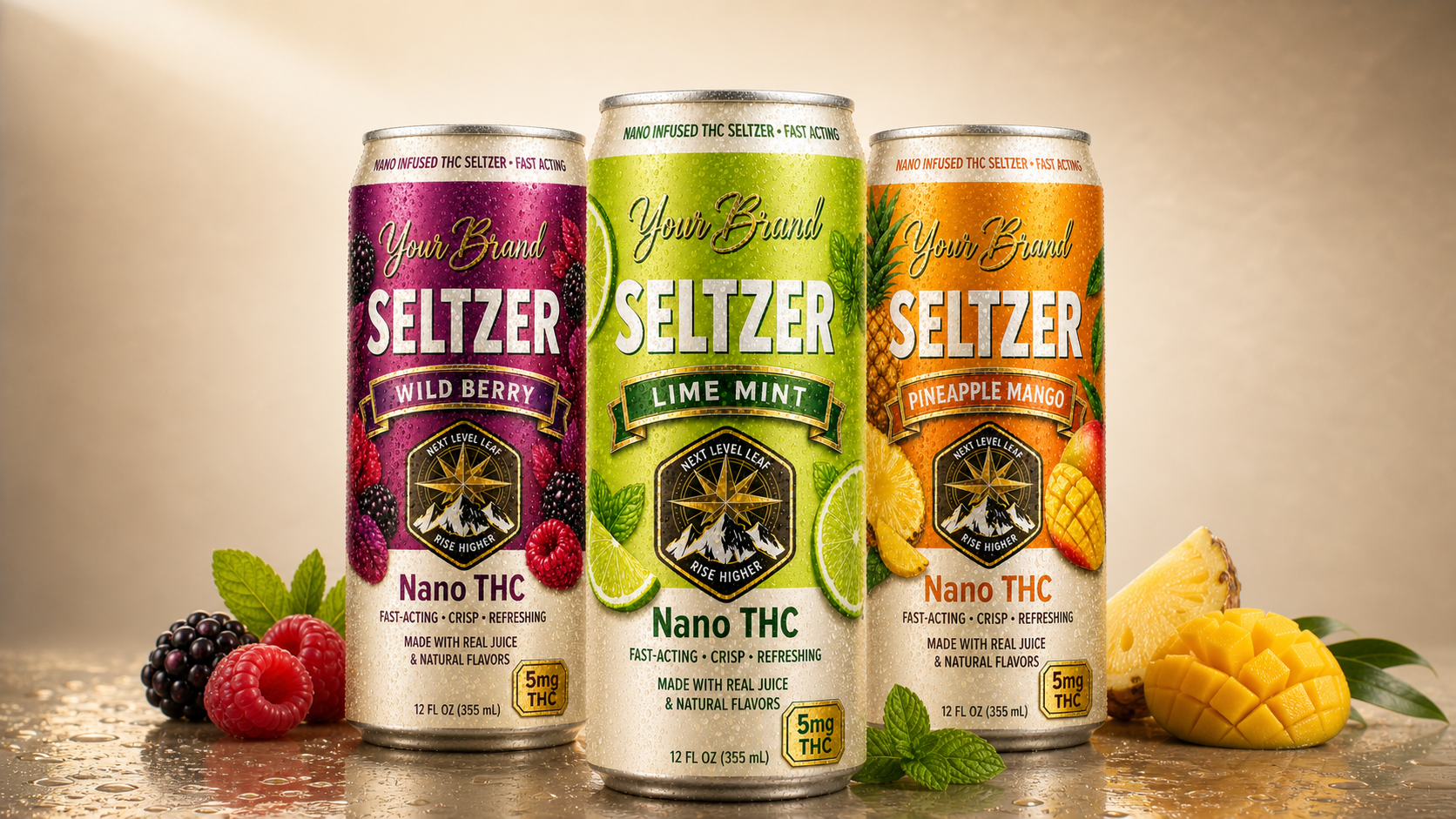
Low-dose seltzers, sodas, spritzers, mocktail-style beverages, juices, and other ready-to-drink formats may all make sense for New Jersey. The important point is that the state rules matter more than the flavor or beverage style. During the temporary period, the limit is 5mg total THC per serving and 10mg per container. Beginning November 14, products above 0.4mg total THC per container are regulated through the cannabis system.
If your broader strategy includes low-dose social beverages, our Low-Dose THC Drinks guide and Infused Seltzers resource can help with product positioning and format decisions. Those resources do not replace New Jersey-specific compliance review.
Official New Jersey sources
These are the primary state resources used for this August 30, 2026 review. Because New Jersey’s THC beverage rules change on November 14, recheck the official sources before relying on an older summary.
NJ-CRC Intoxicating Hemp FAQ
Current CRC guidance on the 2026 hemp definitions, temporary beverage rules, THC limits, testing, age restrictions, and the November 14 change.
Open NJ-CRC →NJ Division of Taxation — Intoxicating Hemp Beverages
Official tax guidance for the temporary intoxicating hemp beverage period, including the $3.75-per-gallon excise tax.
Open Taxation →NJ Cannabis Business Licenses
Official CRC descriptions of Class 2 manufacturing, Class 5 retail, and the other New Jersey cannabis business license categories.
Open license guide →Keep the broader strategy in view
If you are evaluating New Jersey as one part of a larger launch plan, compare it with other markets in our State Resources hub. You can also review our broader compliance approach, track federal hemp developments in our Section 781 Hemp Deadline Tracker, or learn more about beverage development on our beverage manufacturing page.
State Resources
Compare New Jersey with other state THC beverage markets and sales requirements.
Explore states →Compliance Approach
See how testing, documentation, label planning, and product review fit into beverage development.
Explore compliance →Request a Quote
Share your beverage concept, target market, format, dose, packaging, quantity, and timing so the project can be evaluated.
Start request →Frequently asked questions
Planning a THC beverage for New Jersey?
Share your beverage concept, target market, dose, format, packaging, quantity, and timing. We can help you plan the product and identify the questions that should be answered before a production quote is finalized.