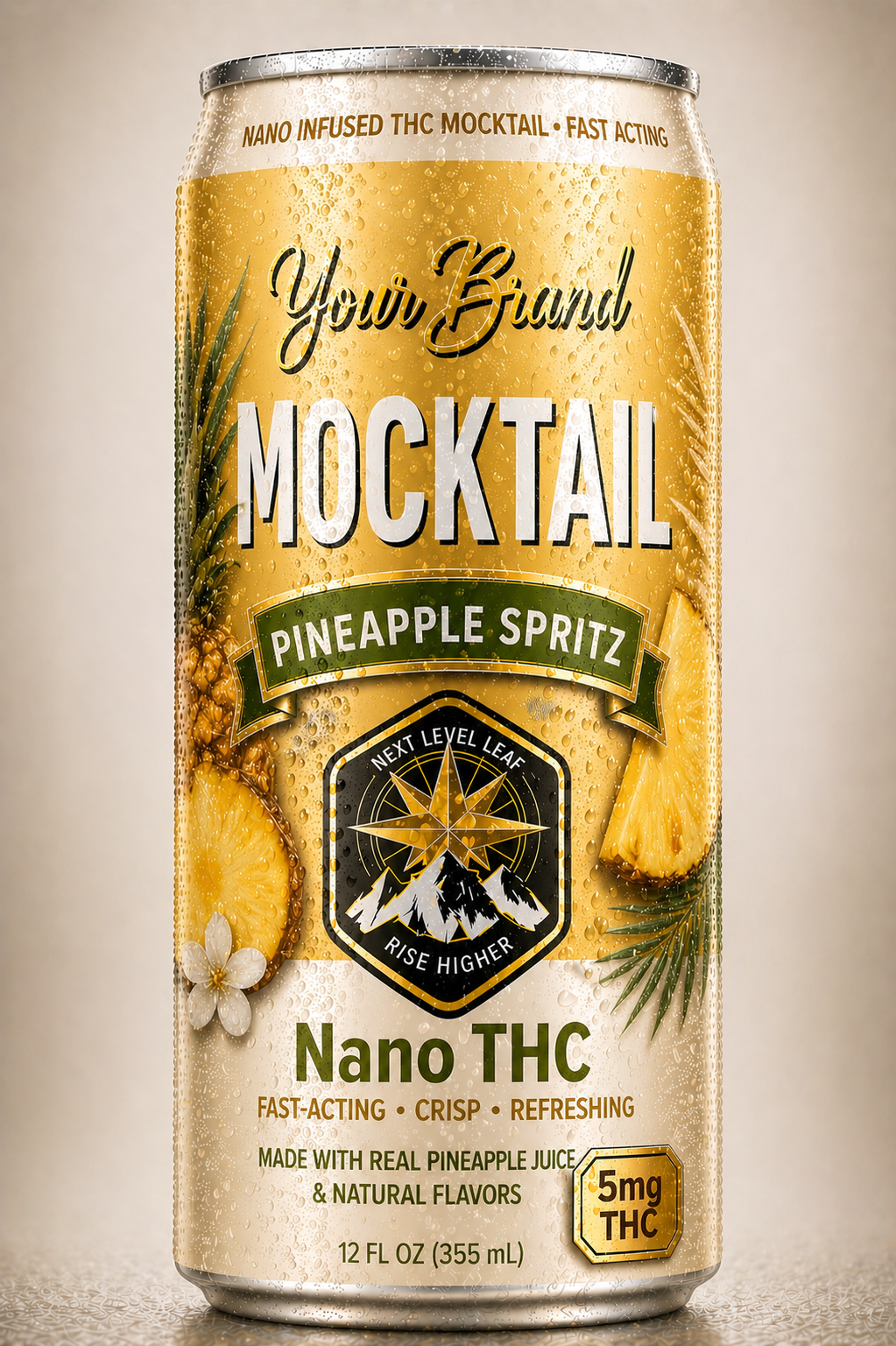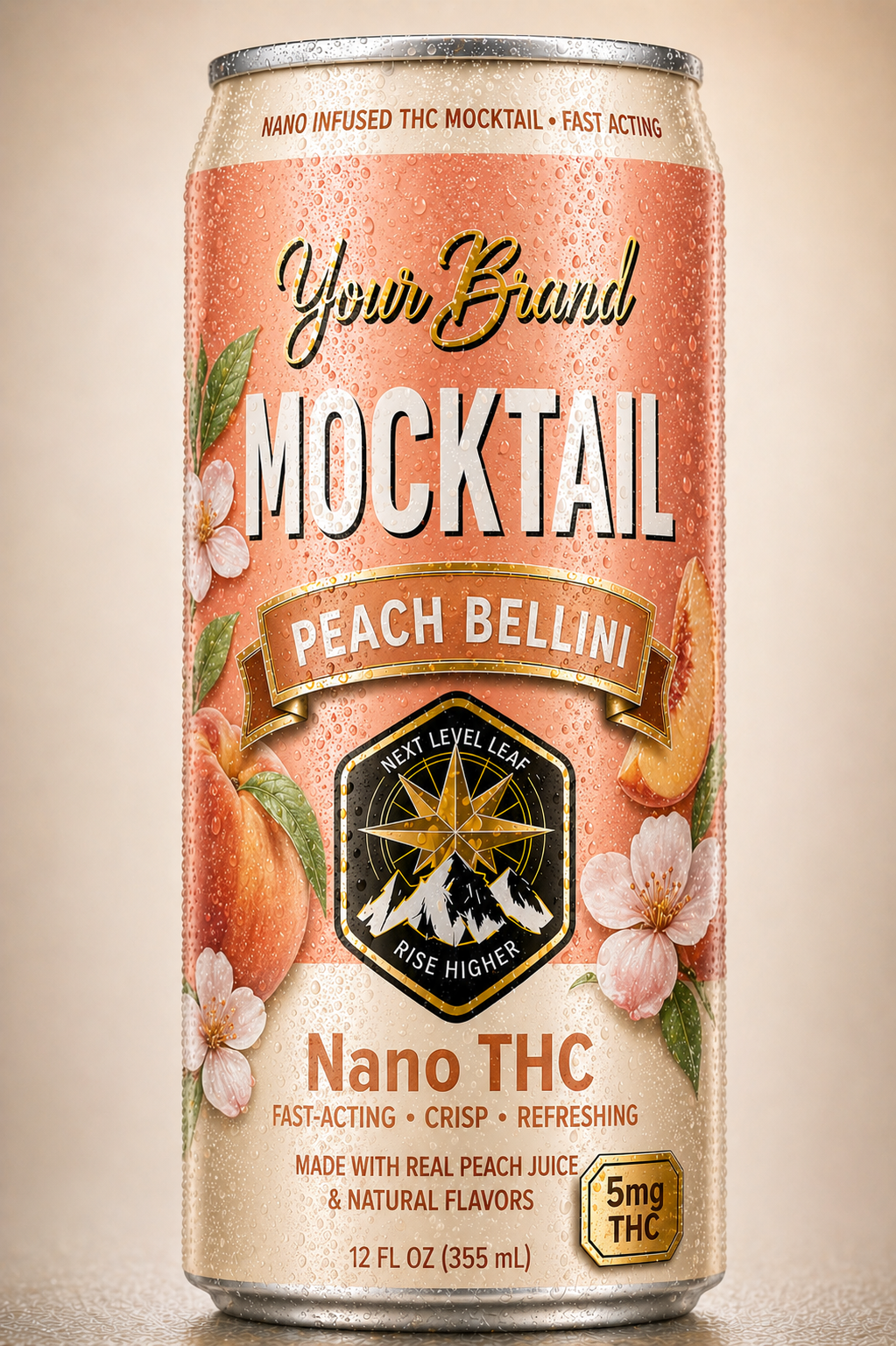


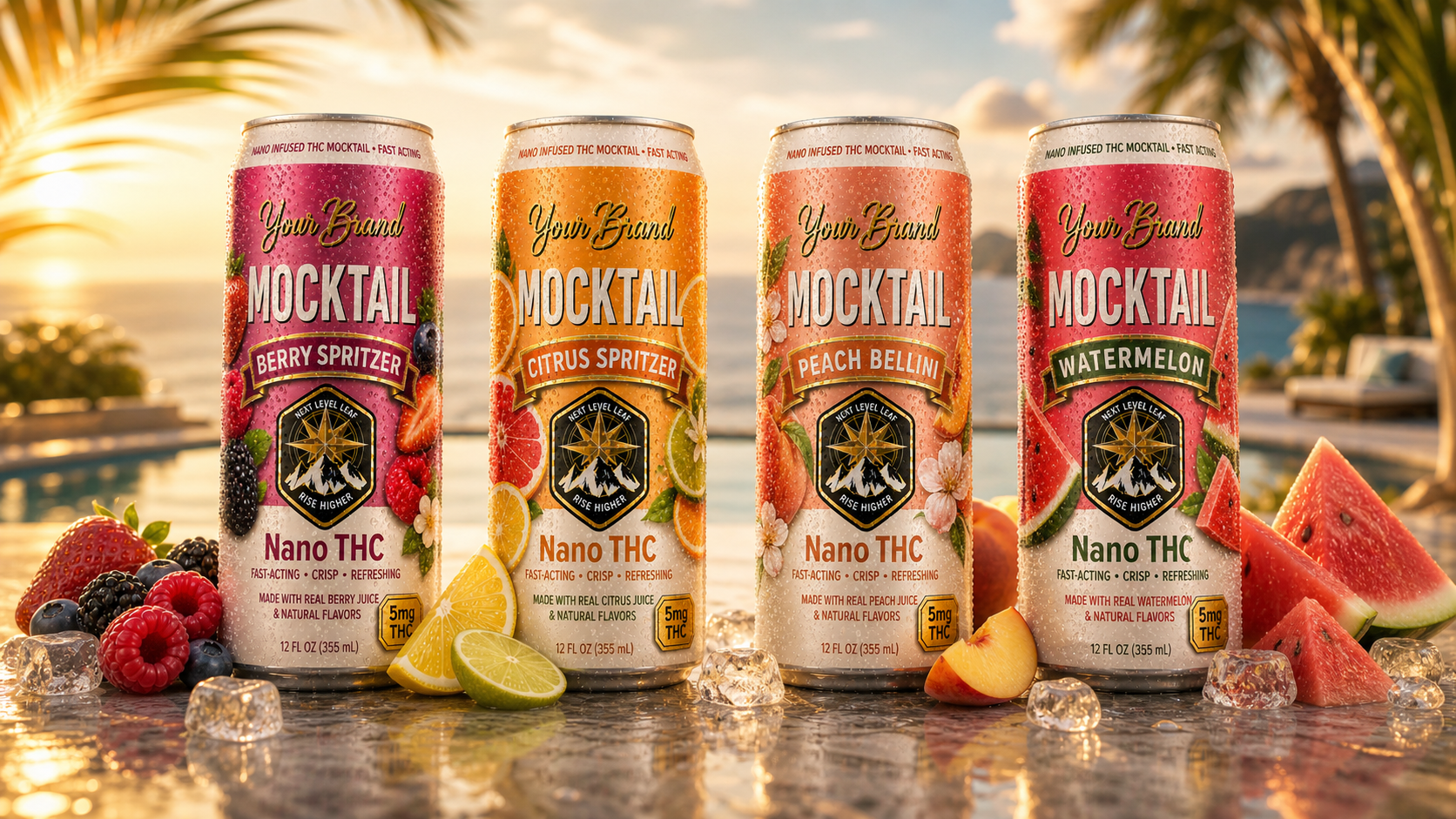
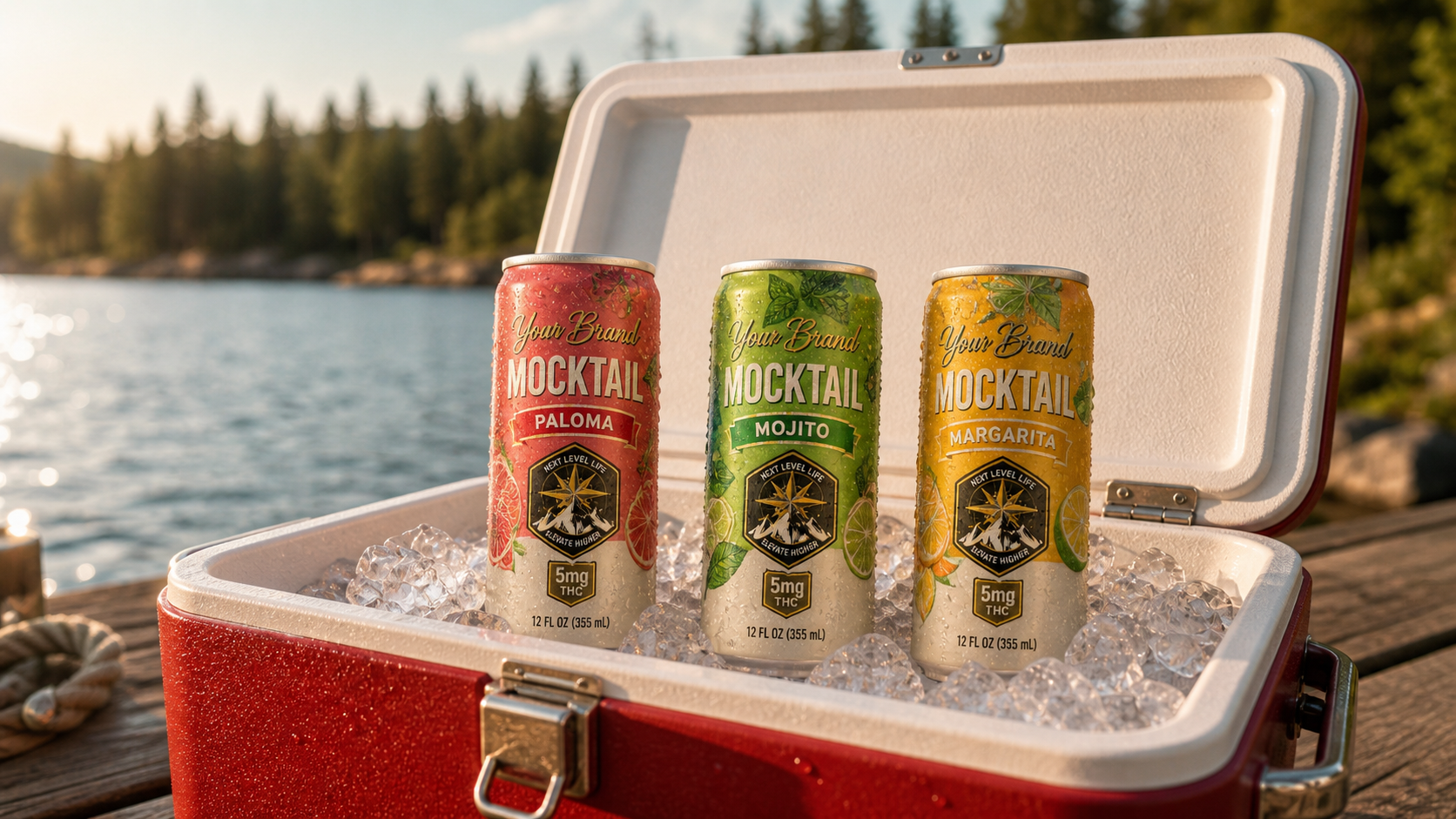
What makes THC spritzer manufacturing different?
A THC spritzer is not just a seltzer with a different name. It usually needs a more intentional balance of fruit flavor, acidity, sweetness, carbonation, mouthfeel, packaging, and dose clarity.
The product may be simple and clean, or it may use juice-inspired flavors, fruit puree, natural color cues, or a more mocktail-adjacent profile. Each choice affects the manufacturing path.
A spritzer should feel crisp and refreshing, but it also needs enough flavor structure to support the fruit story and make the THC beverage feel finished.
The THC spritzer production path
A good manufacturing plan starts before batching. The brand needs a clear product direction, and the manufacturer needs enough detail to evaluate flavor, dose, packaging, production complexity, and timeline.
Define the beverage concept
Clarify flavor, dose, can size, sweetness, carbonation, fruit system, target customer, and sales channel.
Scope formulation
Determine whether the product can use an existing path or needs custom formulation around fruit, color, mouthfeel, and cannabinoid input.
Plan packaging
Review label readiness, can format, adult-oriented design, dose language, QR or COA access, and retail presentation.
Produce and test
Move into batching, carbonation, filling, packaging, finished-product testing, COAs, and batch documentation.
White-label, private-label, or custom spritzer?
The right manufacturing path depends on how much control the brand needs. White-label can help a brand move faster when the desired product is close to an available formula or flavor direction. Private-label can offer more brand control over packaging and positioning. Custom formulation may be needed when the drink has a unique fruit system, dose, flavor, color, or mouthfeel goal.
Faster launch path
Best when the brand wants a practical route to market and the flavor direction fits available production options.
More brand control
Best when the brand wants a defined product identity, packaging control, and a stronger retail presentation.
More formulation work
Best when the product needs a specific flavor, fruit system, color, mouthfeel, dose, or positioning.
Formulation decisions that affect production
Spritzer manufacturing is shaped by the formula. A light citrus seltzer-style spritzer may be relatively straightforward. A puree-supported berry spritzer or peach bellini-inspired product may require more development and stability planning.
- Fruit system: natural flavor, juice-inspired, puree-supported, or blended fruit approach.
- Sweetness: low-sugar, balanced, or fuller-bodied sweetness.
- Acidity: tartness and brightness need to match the fruit and carbonation.
- Carbonation: bubble level should support refreshment without fighting the fruit system.
- Mouthfeel: especially important if the product uses puree, juice, or mocktail-style positioning.
- Color: natural color expectations should be planned with formula and packaging.
- Dose: cannabinoid input and target milligrams affect testing and label accuracy.
Carbonation and filling considerations
Spritzers depend on carbonation for the drinking experience. Too little carbonation can make the beverage feel flat. Too much can make fruit systems feel sharp or create production and fill challenges depending on the formula.
The beverage should be planned around the final experience in the can, not just the flavor in a sample cup.
Testing, COAs, and batch documentation
Every THC spritzer should be supported by finished-product testing, batch-specific COAs, dose verification, label accuracy, and clear documentation. This helps retailers, distributors, and customers trust the product.
For multi-state planning, documentation becomes even more important. Strong testing and COA systems can make the brand more retailer-ready and easier to evaluate.
Packaging for THC spritzers
Spritzer packaging should communicate fruit flavor, THC dose, serving size, responsible use, and adult beverage positioning. The design can be colorful and refreshing, but it should not feel youth-oriented or candy-like.
Good packaging helps the product feel premium, makes the flavor easier to understand, and reduces confusion at retail.
What affects MOQ, cost, and timeline?
MOQ, cost, and timing depend on the complexity of the project. Existing production options may be easier to quote. Custom spritzers with unique fruit systems, puree, natural color expectations, or special packaging may take more planning.
- White-label, private-label, or custom formulation path
- Flavor complexity and fruit system
- THC or cannabinoid dose per can
- Can size and packaging format
- Label readiness and artwork status
- Testing and COA requirements
- Target states and sales channels
- First-run quantity and desired launch timing
What to prepare before requesting a manufacturing quote
A THC spritzer manufacturing quote is easier to scope when the brand can explain the product direction clearly. You do not need every technical detail finished, but you should know the basic launch plan.
- Flavor direction, such as berry, citrus, pineapple, peach, watermelon, grapefruit, or tropical citrus
- Target THC or cannabinoid dose
- Can size and desired first-run quantity
- White-label, private-label, or custom preference
- Fruit system preference, if known
- Sweetness, calorie, color, and mouthfeel goals
- Packaging status and label readiness
- Target states and likely retail channels
- Desired production and launch timeline
Where to go next
If you are still defining the category, start with THC Fruit Spritzers. If you are comparing fruit systems, read Fruit Puree THC Drinks. If you want a lighter sparkling format, review Real Fruit THC Seltzers. If your spritzer direction is clear, the next step is to request a quote.