


Cost to Start a Functional Coffee Brand
The cost to start a functional coffee brand is connected to several factors we are going to cover. Ingredient complexity, formulation, packaging, and first-run scale all influence how expensive the first release becomes.
For founders, the most important cost question is usually not just “what will this cost?” It is “what choices will make this launch more manageable, more focused, and more realistic?”
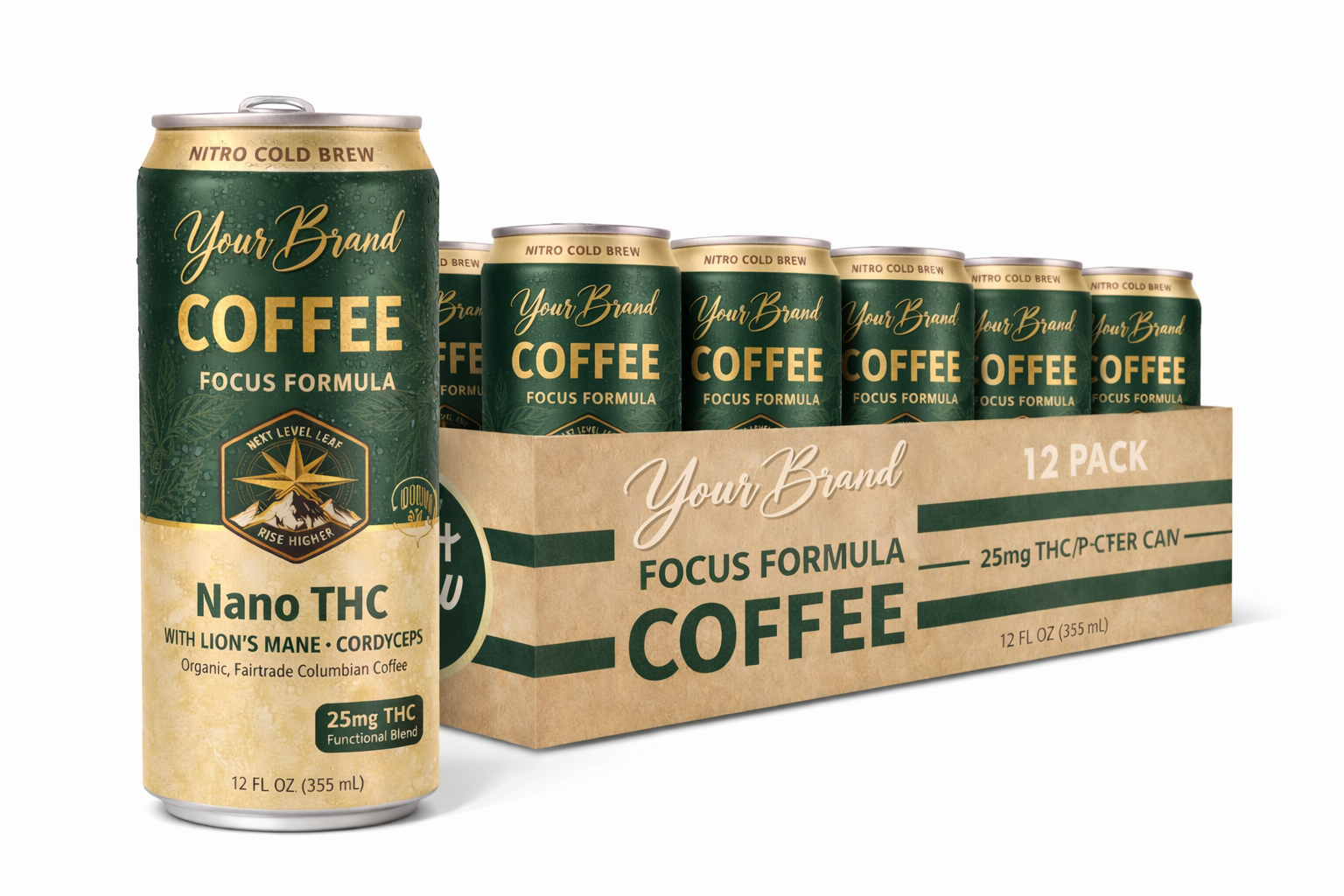
The cost to start a functional coffee brand depends on your ingredient complexity, formulation, packaging, production scale or minimum order quantities. In most cases, the fastest way to control startup cost is to launch with a more focused product, fewer variations, and a clearer go-to-market plan that doesn't require several rounds of R&D or formulation development.
In this guide
What actually drives cost
Founders often assume cost starts with ingredients alone, but that is usually too narrow. Startup cost is really shaped by the overall structure of the launch.
That usually includes:
- how defined the product concept is
- how complex the formulation direction becomes
- how many variations are included in the first release
- how packaging is approached
- how much inventory is tied to the first run
The more moving parts you add, the more expensive and harder to manage the launch usually becomes.
The first release does not need to be the full vision. It needs to be the most disciplined version of the vision so you can test and then scale.
Why concept complexity matters
One of the biggest cost drivers is complexity at the concept level. A narrow, clearly positioned product is usually easier to build than a launch that tries to cover multiple directions at once. This also takes more time, and time is money. In the beverge market when you are considering bringing a product to market, you can be sure that other brands are considering a similar product. Going to market quickly, while minimizing risk is important to factor in to overall cost. Delaying launch should be looked at as an opportunity cost.
That is one reason many founders choose to launch a functional coffee brand with one strong formulation concept that is tied to a use case concept first (energy, focus, calm), rather than several SKUs at once.
A more disciplined launch can reduce:
- development complexity
- inventory burden
- packaging variation
- decision fatigue
It also usually gives your functional coffee a clearer identity from the start.
How packaging and format can influence cost
Packaging and format do affect cost, but they usually are not the biggest startup cost driver. In most cases, formulation, ingredients, cannabinoid inputs, MOQ, testing, freight, and production setup have a bigger impact on the initial investment.
Where packaging starts to matter more is when founders add too much complexity too early. Multiple SKUs, custom packouts, specialty finishes, and unnecessary format decisions can all increase cost without improving the actual launch.
A more focused coffee launch usually works better. You can still create a premium product without making the first production run more expensive or operationally complicated than it needs to be.
How MOQ affects startup planning
Minimum order quantities are one of the most important early cost variables because they shape inventory, cash commitment, and overall launch scope.
If you have not looked at functional coffee MOQ yet, that should be part of the planning process early, not later.
MOQ affects questions like:
- how many products should launch first
- how much packaging is needed
- how much inventory risk makes sense
- how broad or narrow the opening release should be
That is why startup cost and MOQ should usually be thought about together.
How founders can lower startup cost
In most cases, lowering startup cost is less about cutting corners and more about risk management.
That usually means:
- starting with one lead concept
- avoiding too many variations at once
- using a clearer positioning strategy
- making packaging choices that fit the first run
- building the launch around a realistic production quantity
That approach often leads to a stronger first product anyway. It also makes it easier to expand later into lanes such as mushroom coffee, adaptogenic coffee, focus coffee, or other coffee-plus-function directions once the first product is working.
For most brands, the best cost strategy is to be agile and conservative unless you have a larger go-to-market strategy and know you can execute.
Frequently asked questions
Related reading
Ready to build a functional coffee brand?
If you want to create a premium coffee product with a clearer function-forward identity, the next step is to define the concept, launch scope, and production path that make sense for the first release.