

Why this lemonade direction matters
Lemonade is easy for customers to understand. The flavor is familiar, refreshing, and flexible enough to support still drinks, sparkling drinks, tea-lemonade concepts, berry lemonade, tropical lemonade, and lower-dose social beverages.
For a B2B beverage brand, the key is not just choosing a flavor. The product has to fit the customer, the sales channel, the target states, the packaging, the first run, and the intended use occasion.
A strong THC lemonade product usually has a simple promise: refreshing lemonade flavor, a clear THC dose, adult-oriented branding, batch-specific documentation, and a format customers can understand quickly.
Key decisions before production
Still or sparkling
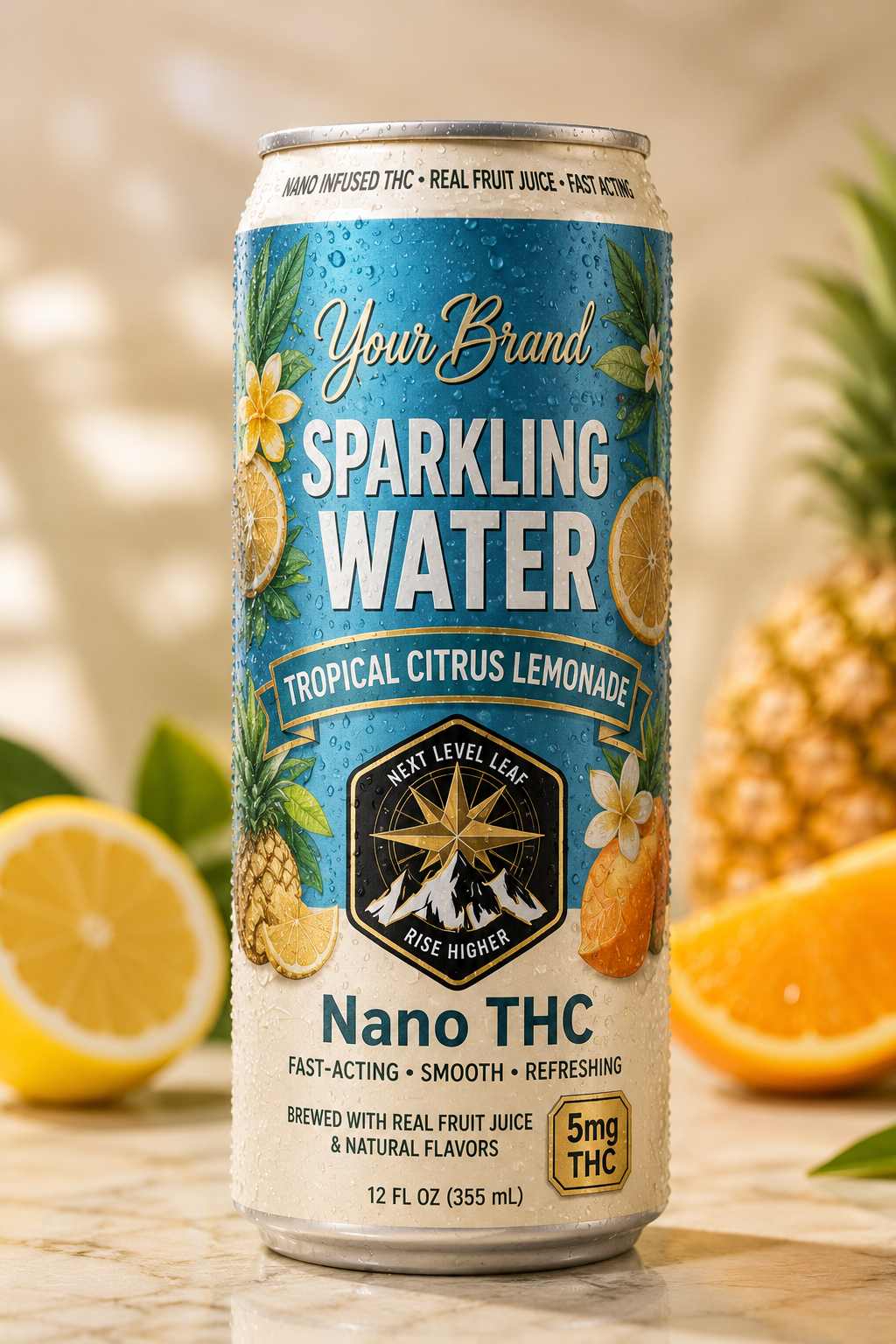
Still lemonade can feel smooth and familiar. Sparkling lemonade can feel brighter, more social, and closer to a canned alcohol-alternative occasion.
Low or moderate dose
Lower-dose lemonade can support sessionable social drinking, while a stronger drink may need a different serving strategy and retail conversation.
Classic or fruit-forward
Classic lemonade is a clean starting point. Strawberry, raspberry, blueberry, tropical, and Arnold Palmer-style concepts can make the brand feel more specific.
Formulation considerations
THC lemonade needs to be planned around acidity, sweetness, flavor balance, water-compatible cannabinoid inputs, finished-product testing, and shelf-life expectations. Lemonade can be a helpful flavor base because citrus and fruit notes can support a more complete beverage experience.
That does not mean every lemonade formula is simple. Sugar level, low-calorie goals, carbonation, color, fruit inputs, and packaging can all affect the finished drink and quote path.
Packaging and compliance readiness
THC lemonade packaging should feel premium and adult-oriented. It should communicate flavor, dose, serving size, cannabinoid content, warnings, batch or lot information, and QR-code access to COAs where appropriate.
For retail, wholesale, distributor, and hospitality conversations, documentation matters. Finished-product COAs, clear labels, lot traceability, and consistent production records can make the product easier to trust.
What to prepare before requesting a quote
- Lemonade flavor direction
- Still or sparkling preference
- Target THC or cannabinoid dose
- Can or bottle size
- Sweetness, sugar, and calorie preference
- Packaging status and label direction
- Target states and sales channels
- Expected first-run quantity and timeline
If the product direction is clear, the next step is to request a quote so the beverage can be scoped around MOQ, flavor, packaging, testing, and production timing.