


How to Build an Adaptogenic Coffee Brand Strategy
A strong adaptogenic coffee brand strategy is not just about adding trending ingredients to coffee. It is about building a clear brand promise, choosing the right functional direction, and making the product easy to understand and easy to believe in.
The brands that stand out usually do not try to say everything at once. They choose one functional lane, one strong audience fit, and one product story that feels coherent from concept through packaging and launch.
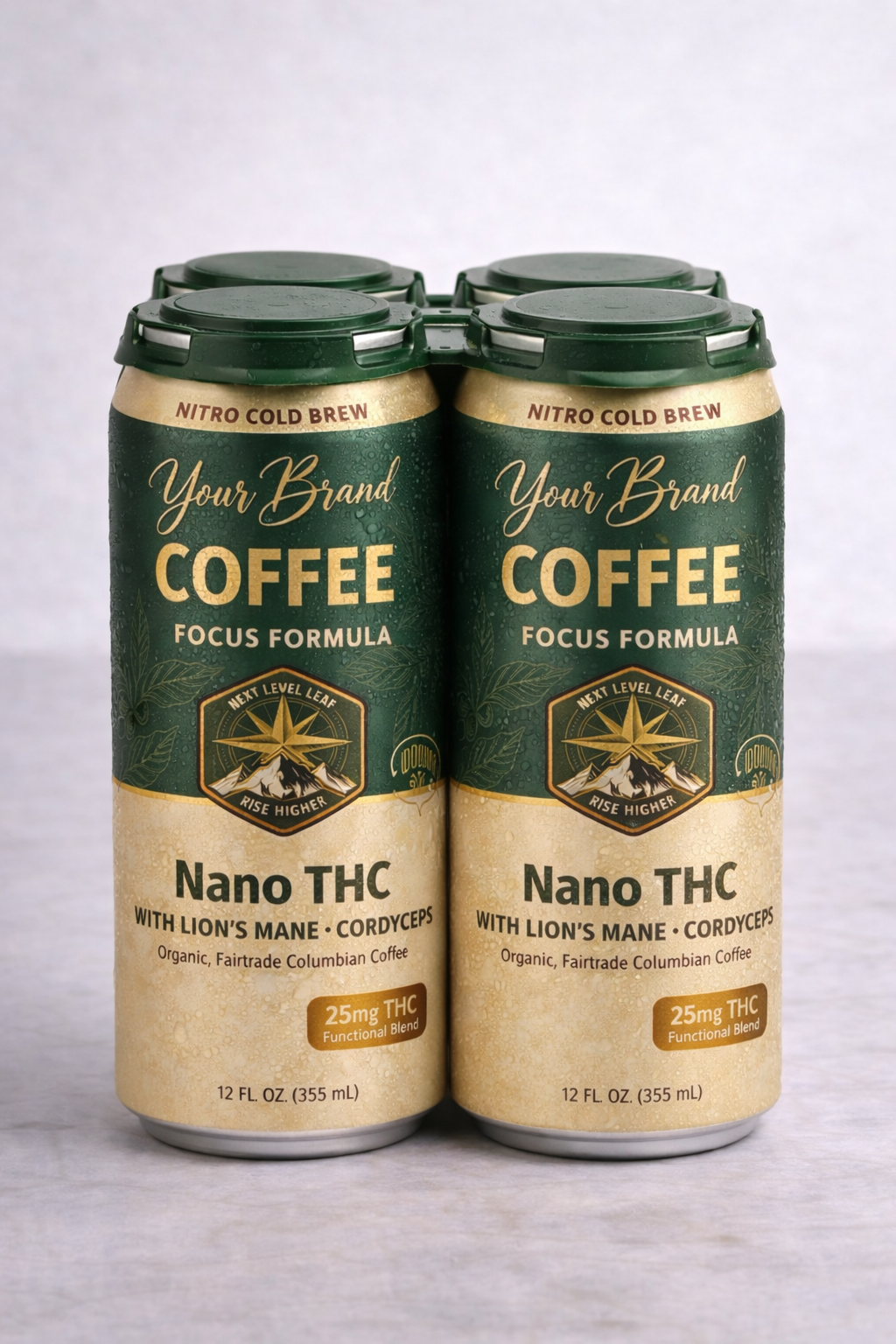
The best adaptogenic coffee brand strategies start with one clear functional promise, such as focus, calm, or balanced energy. From there, the ingredient system, product language, packaging, and launch plan should all reinforce that same promise.
In other words, a strong adaptogenic coffee brand is built around strategic clarity, not just ingredient stacking. The clearer the promise, the stronger the positioning and the easier the launch becomes.
In this guide
Clear promise
The product should be easy to describe in one sentence. That clarity shapes better positioning, better marketing, and stronger product coherence.
Audience fit
The ingredient story and brand language should match a specific use case and a believable type of customer, not everyone.
Product coherence
The adaptogens, coffee format, flavor direction, and visual identity should all feel like part of the same concept, not separate ideas forced together.
What a good adaptogenic coffee strategy actually looks like
A lot of brands approach functional coffee backwards. They start with a pile of ingredients, then try to build a story afterward. The stronger approach is to determine who your custmoer is, who are you selling to and define the strategic promise first, then choose ingredients and product direction that make that promise more believable.
Start with the customer outcome
The first question is not “Which adaptogens should we use?” The first question is “What kind of result or experience is this product supposed to represent?”
That could be:
- focused productivity
- smooth energy
- calm alertness
- daily resilience
- a more balanced coffee ritual
Make the product easy to explain
Strong functional products are easier to position when the promise can be understood quickly. If the concept takes too much explanation, the brand will usually feel weaker in the market.
The best adaptogenic coffee brands do not just contain functional ingredients. They tell one believable story clearly and consistently.
Choose one functional lane before expanding
One of the biggest mistakes founders make is trying to build a product that does everything. That usually creates weak positioning and scattered brand language.
Focus coffee formulations work because it is specific
A focus-oriented coffee concept is easier to market than a product trying to promise energy, calm, immunity, recovery, mood, and productivity at the same time.
Calm formulations work because it creates contrast
A calm or balanced coffee concept can create interesting positioning because it counters the side effects many of us have experienced, like jitters and overstimulation, while still staying in the category. It provides a unique selling proposition and promises a different experience, which is a curiosity hook! These work great together. If your product delivers, you have a winner!/p>
Energy formulaitons only work when it feels differentiated
Energy is common, and coffee already promises that. For it to feel strong as a strategy, it usually needs a sharper angle than just “coffee plus more stimulation” it needs to be an enhancement.
How ingredient architecture supports the brand
Once the lane is clear, ingredient architecture should support it rather than compete with it. This is where adaptogens, nootropics, or supportive botanical ingredients come in as brand-building tools.
Ingredients should reinforce the promise
Every ingredient should make the core product story stronger. If an ingredient does not clearly support the concept, it may be creating more confusion than value.
Less can be more
Brands often assume more ingredients mean more value. But simpler systems can actually create better communication and stronger perceived coherence.
The format still matters
Even in adaptogenic coffee, the coffee format itself matters, alot. A concept built around premium, organic, Fairtrade, ready-to-drink coffee, nitro cold brew, or another coffee-first direction will usually feel stronger than a vague functional beverage with coffee added as an afterthought.
Why positioning matters more than ingredient hype
Functional categories are crowded. Adaptogens alone are not enough to make a brand stand out. What matters is whether the brand promise, the product structure, and the customer fit all align clearly.
That is why the strongest strategy is often not the one with the most ingredients. It is the one with the clearest product identity.
Common adaptogenic coffee strategy mistakes
Trying to target everyone
The broader the promise, the weaker the position. Specificity is usually an advantage in functional coffee.
Overloading the ingredient stack
Too many ingredients can make the concept harder to explain and weaken the brand’s central story.
Making the coffee secondary
If the product stops feeling like a real coffee concept, it can lose category clarity. The strongest brands usually still feel coffee-first, even when they are functionally differentiated.
Letting trends drive the entire concept
Trend alignment can help, but a durable brand needs stronger positioning than just “this ingredient is popular right now.” You do want to be on the leading end so that you have a unique selling proposition, which our house formulations already have.
What to look at next
Once the strategic lane is clear, the next decisions usually become:
- What will the product cost to launch?
- What MOQ makes sense for the first run?
- What subcategory angle should we lead with first?
Those are the practical next steps because they translate brand strategy into an actual launch plan.
Frequently asked questions
Related reading
Ready to build a stronger functional coffee concept?
If you want help thinking through brand strategy, ingredient direction, and the best path to launch a functional coffee product, the next step is to share what you want to build.