


White-Label vs Custom Infused Coffee
One of the most important early decisions for a coffee brand is whether to launch a white-label infused coffee or create a custom formula.
The best path depends on your goals, timeline, budget, and beverage idea.
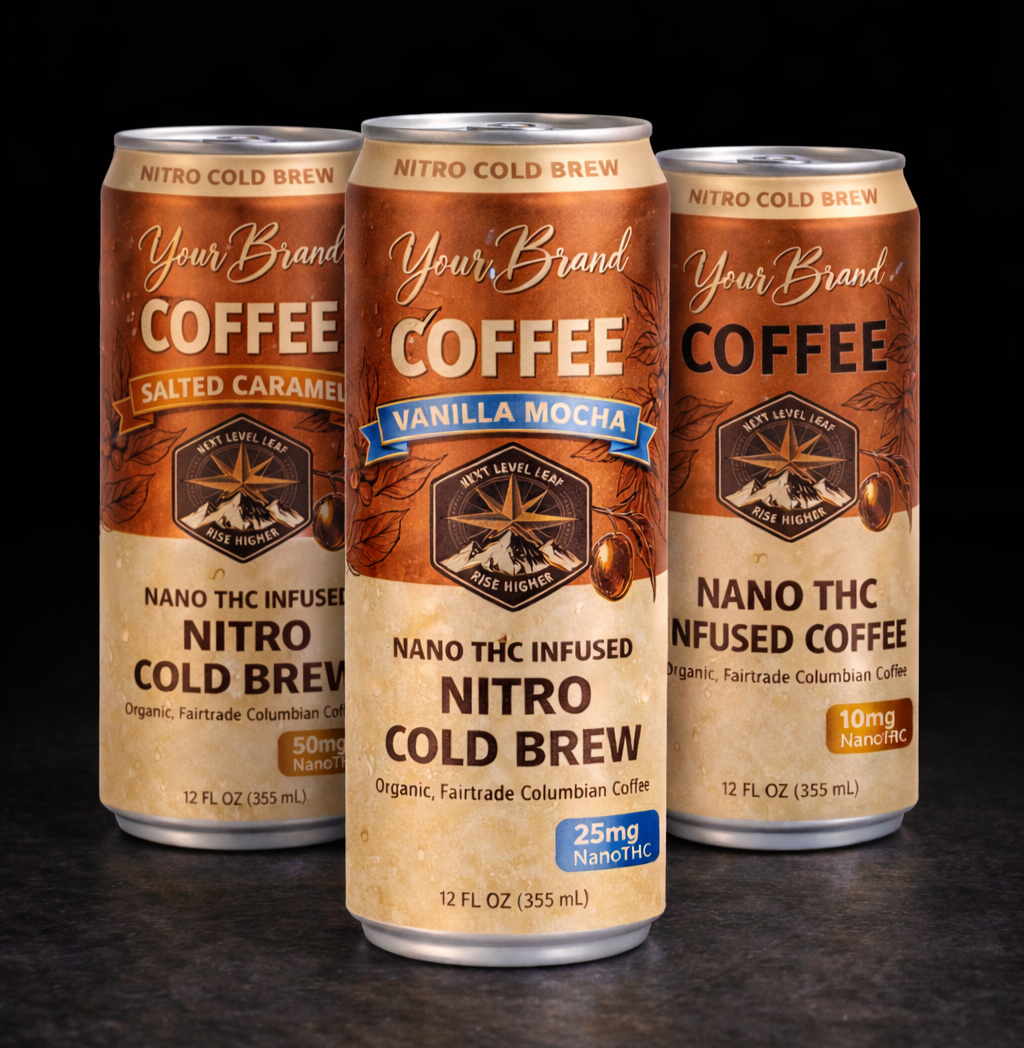
For most early-stage brands, white-label infused coffee is the smarter launch path because it reduces friction, speeds up execution, and allows them to enter the market with a serious product without taking on unnecessary development complexity too early. Infused coffee is still a very unique beverage and a huge opportunity for early movers.
A custom infused coffee path can make sense later or for a brand with a very specific formulation vision, but it usually requires more time, more coordination, and a stronger reason to justify the added complexity.
In this guide
White-Label
Best for founders who want to move faster, validate the concept, and stay focused on positioning, packaging, and launch execution.
- faster path to market
- lower development friction
- stronger fit for first runs
- better for staying lean early
Custom
Best for brands with a specific product vision that truly requires a more tailored formulation or structure from the beginning.
- more formulation flexibility
- more development complexity
- longer path to launch
- better once the concept is clearer
What white-label really means in infused coffee
White-label does not mean generic branding. It means using a an existing, proven formulation so you can launch a market-ready product under your own brand without needing to build ea product from scratch.
For many brandss, this is exactly what makes white-label powerful. It shifts more of the energy toward:
- brand positioning
- packaging and visual identity
- go-to-market planning
- sales and traction
- learning from the first run
That is often a much better use of early-stage strategy and foucs than getting buried in complexity that may not actually improve the first launch.
What custom development really means
A custom infused coffee path usually means the brand wants a more specific formulation, more distinctive ingredient architecture, or a more tailored product concept than a structured white-label launch offers.
That can absolutely make sense. But it comes with tradeoffs.
Custom usually means more moving parts
It can require more coordination, more development cycles, more decisions, and more time before the product is ready for launch.
Custom can be worth it when differentiation is essental to the brands vision
If the product vision is highly specific and truly central to the brand identity, then a custom route may be justified. But many founders assume they need custom when what they actually need is stronger positioning.
Many brands do not need a custom formula on day one. They need a strong concept, a clean launch path, and a product they can actually bring to market.
How to choose the right path
The decision should come down to what your first run is supposed to accomplish.
Choose white-label when:
- you want to move quickly
- you want to stay lean
- you are still validating the category
- you want to focus more on branding and launch
- you do not need unusually specific product architecture yet
Choose custom when:
- the formulation itself is a core differentiator
- you already know exactly what you want to build
- your budget and timeline can support more development
- the added complexity is actually strategic, not just emotional
What most founders underestimate
Most founders do not fail because they picked white-label. They fail because they overcomplicated the launch, delayed execution, and created too much friction too early without a fstrong focus on the plan to go to market.
That is why white-label infused coffee is often such a strong option. It gives a brand a serious starting point without forcing them to behave like they are already operating at a later-stage level of complexity.
Common mistakes founders make
Assuming custom is automatically more premium
Premium comes from positioning, packaging, clarity, and brand execution, not just from choosing a more complicated production path. Our house formulations are premium, and will set you apart. If you want to take it further, we'd love to help you bring your vision to life.
Trying to perfect the first run
A first run should be focused, differentiated, and practical. It does not need to be the final perfect version of a future scaled business.
Confusing product complexity with brand value
Sometimes a founder thinks they need more formulation complexity when what they really need is a sharper market angle.
Ignoring the role of speed
Speed matters. A launch that actually gets to market and so that you can start learning can beat a more “perfect” concept that stays stuck in development.
What to do next after choosing your path
Once you are clearer on white-label versus custom, the next two questions are usually:
- What will the launch cost?
- What MOQ makes sense for the first run?
Those are the right next steps because they turn strategy into something more actionable and realistic.
Frequently asked questions
Related reading
Ready to explore the right launch path for your coffee brand?
If you want to talk through whether a white-label or more custom infused coffee approach makes sense, the next step is to share what you want to build.